
fieldnotes



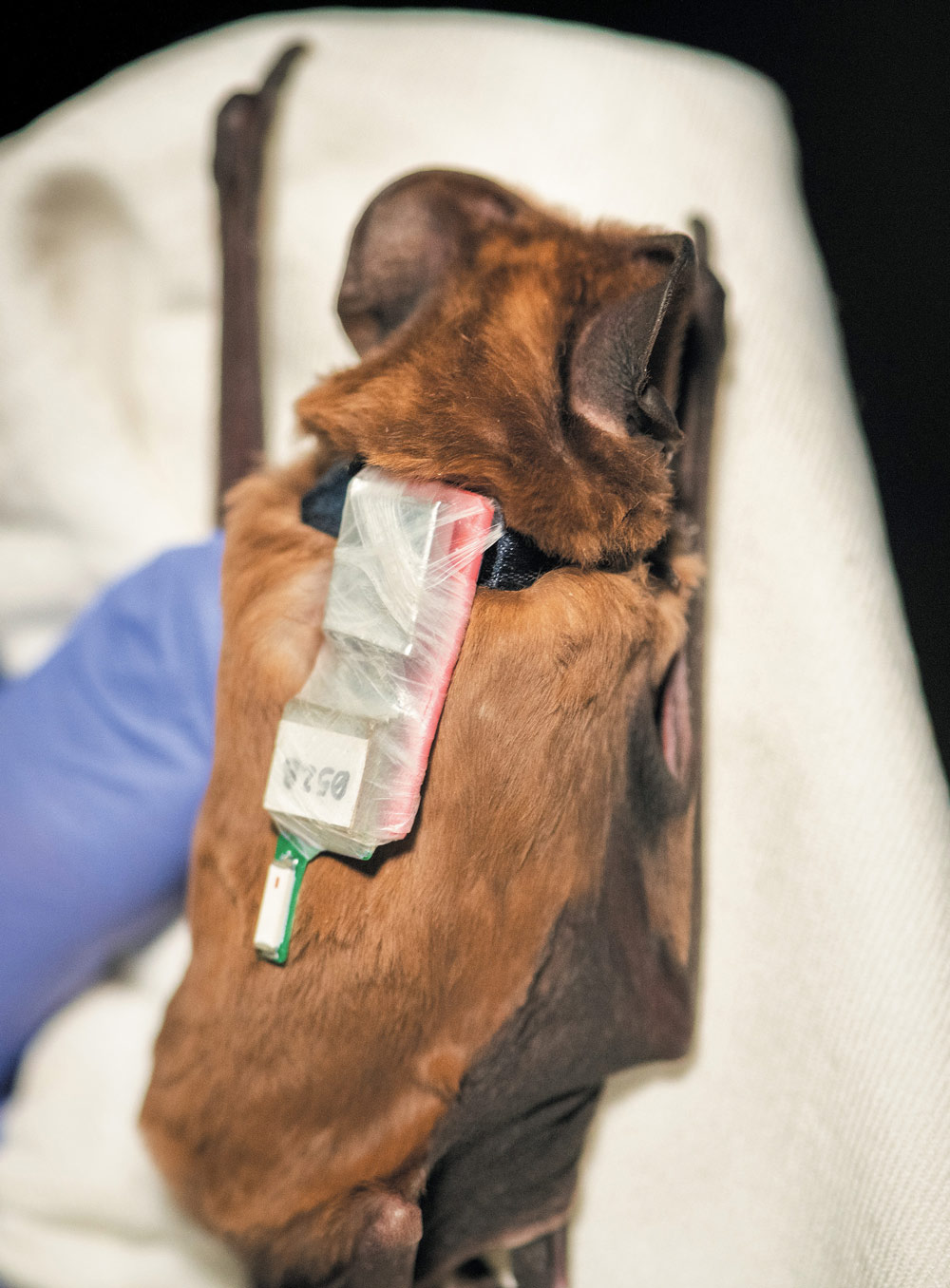
The Florida bonneted bat is the rarest bat species in the U.S. This federally Endangered species only lives in South Florida.
Photo: Horizonline Pictures
Images
Behind the Scenes with the Florida Bonneted Bat
BCI and Miami Bat Lab at Zoo Miami team up to study Endangered species
The Florida bonneted bat (Eumops floridanus) is the rarest bat in the United States, and Bat Conservation International (BCI) and the Miami Bat Lab at Zoo Miami are working hard to save this Endangered species. Florida bonneted bats only live in South Florida, and their primary natural habitat, the pine rocklands, has mostly been destroyed; only about 2% of its former coverage remains. In its place is urban development. These rare bats have taken to roosting under the eaves of homes with Spanish tile roofs in Miami because they have nowhere else to live. BCI, Zoo Miami, and partners are installing artificial roosts to provide safe and long-lasting roosting spots for Florida bonneted bats.
Recently, a plan to develop a water park that would have impacted Florida bonneted bats and other species was reversed thanks to the hard work of avid conservationists, including BCI and partners, who expressed concerns about the location chosen for the water park. BCI, Zoo Miami, and partners are actively studying the remaining populations of Florida bonneted bats to understand their nightly foraging movements, roosting preferences, and diet. This information is necessary to protect the habitats they need to survive. The film production company Horizonline Pictures recently went to the field with the team to chronicle BCI’s work with this rare species. These are images from their time working with Florida bonneted bats.
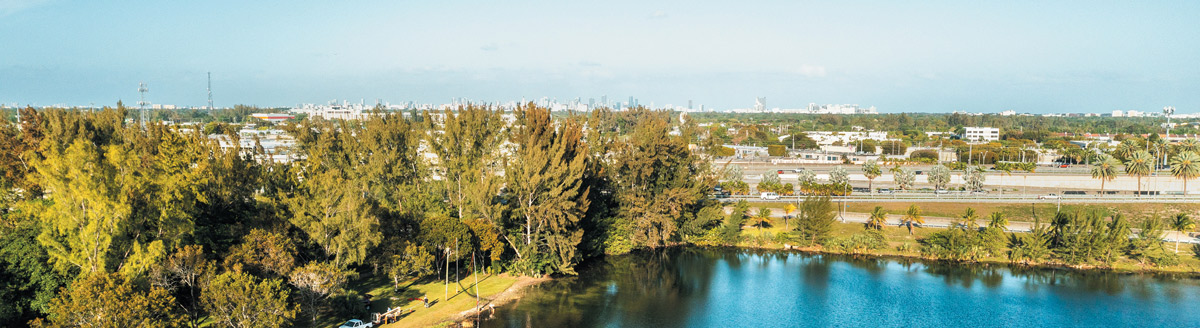
Pine rocklands are a key natural habitat for Florida bonneted bats. However, development has drastically reduced the availability of this habitat. Only 2% of this habitat remains in the area today. With their natural habitat unavailable in urban Miami-Dade County, Florida, bonneted bats often seek out roosting sites under building roof tiles. In March, the U.S. Fish and Wildlife Service designated 1.1 million acres of critical habitat for the species.
Photo: Horizonline Pictures
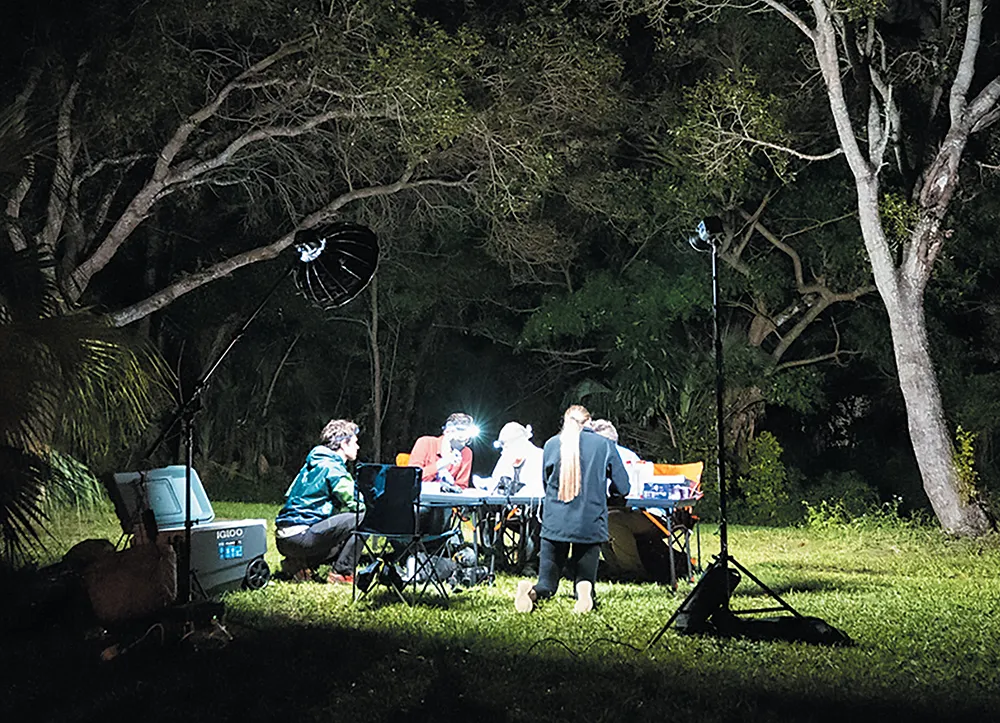

Team members working at the processing table where they collect body measurements, take oral swabs, and attach GPS units to the bats.
Photo: MGambaRios

Team members working at the processing table where they collect body measurements, take oral swabs, and attach GPS units to the bats.
Photo: MGambaRios
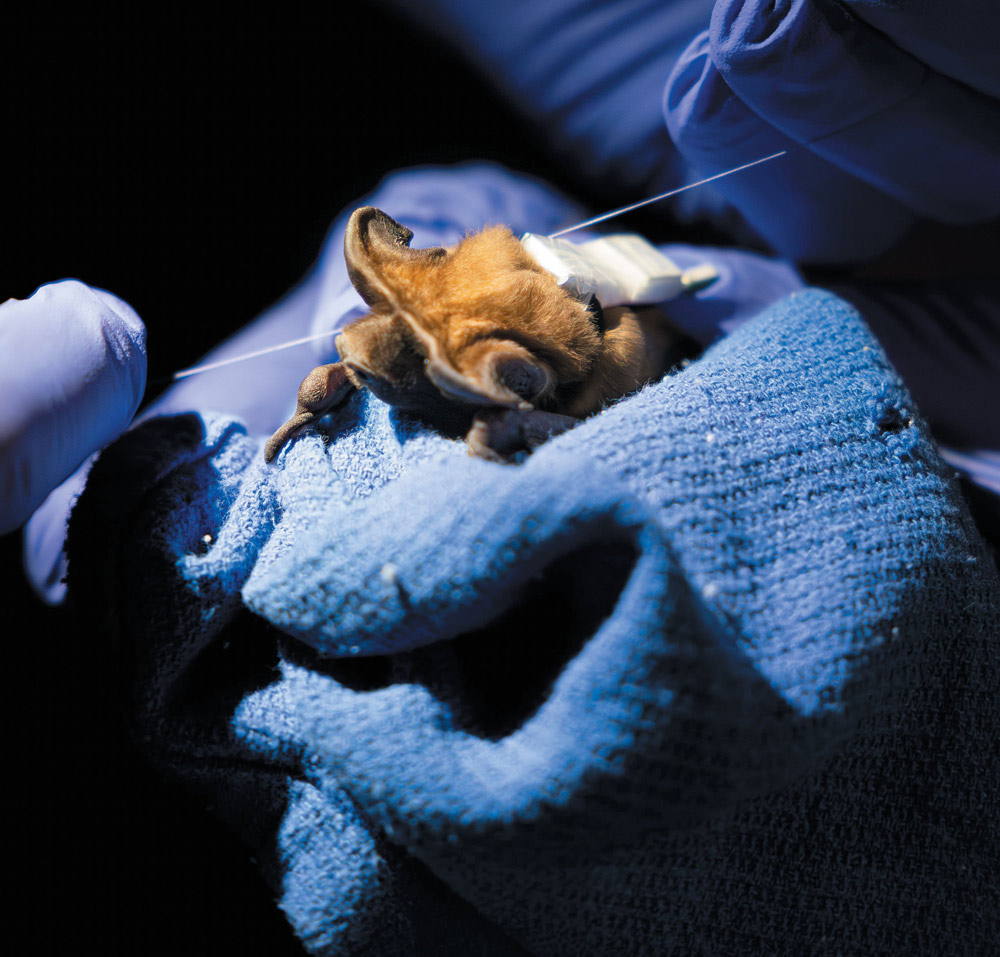
Once a bat is caught in the mist net, the team moves quickly to examine the bat, take measurements, collect samples, and attach a collar where the GPS unit is connected. The surgical sutures that stitch the collar will break and fall from the bats within days.
Photo: MGambaRios

Tiny transmitters affixed to the backs of a few bats provide movement data to document bats’ foraging and roosting habits and what habitats they use. This information is crucial to identifying which areas need to be protected to support Florida bonneted bats in the future.
Photo: Horizonline Pictures