

 Feature: Kenya
A Tale of 3 Caves

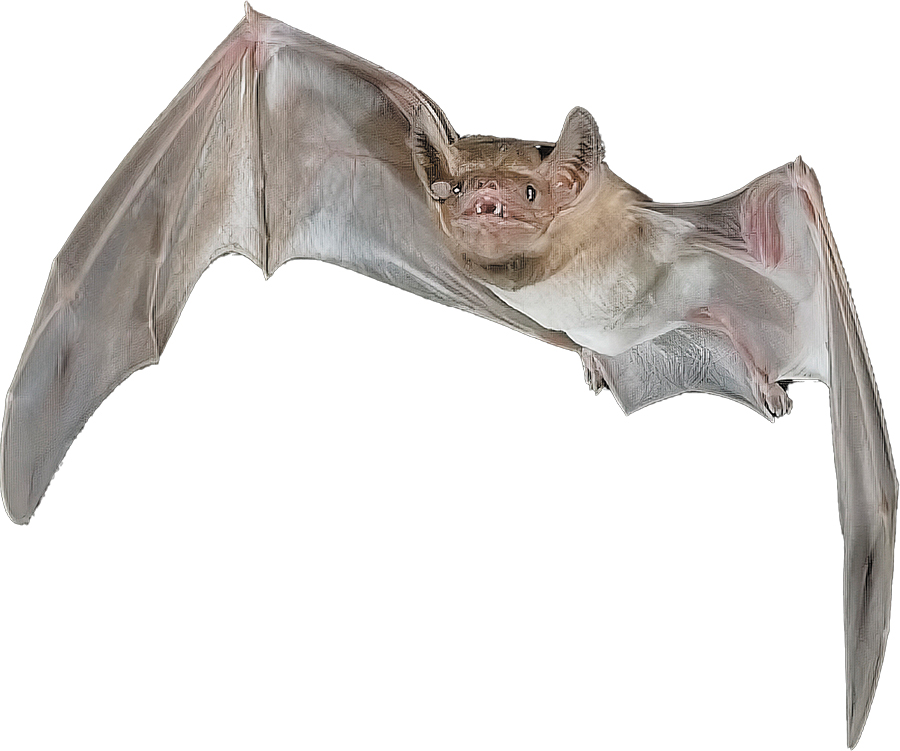
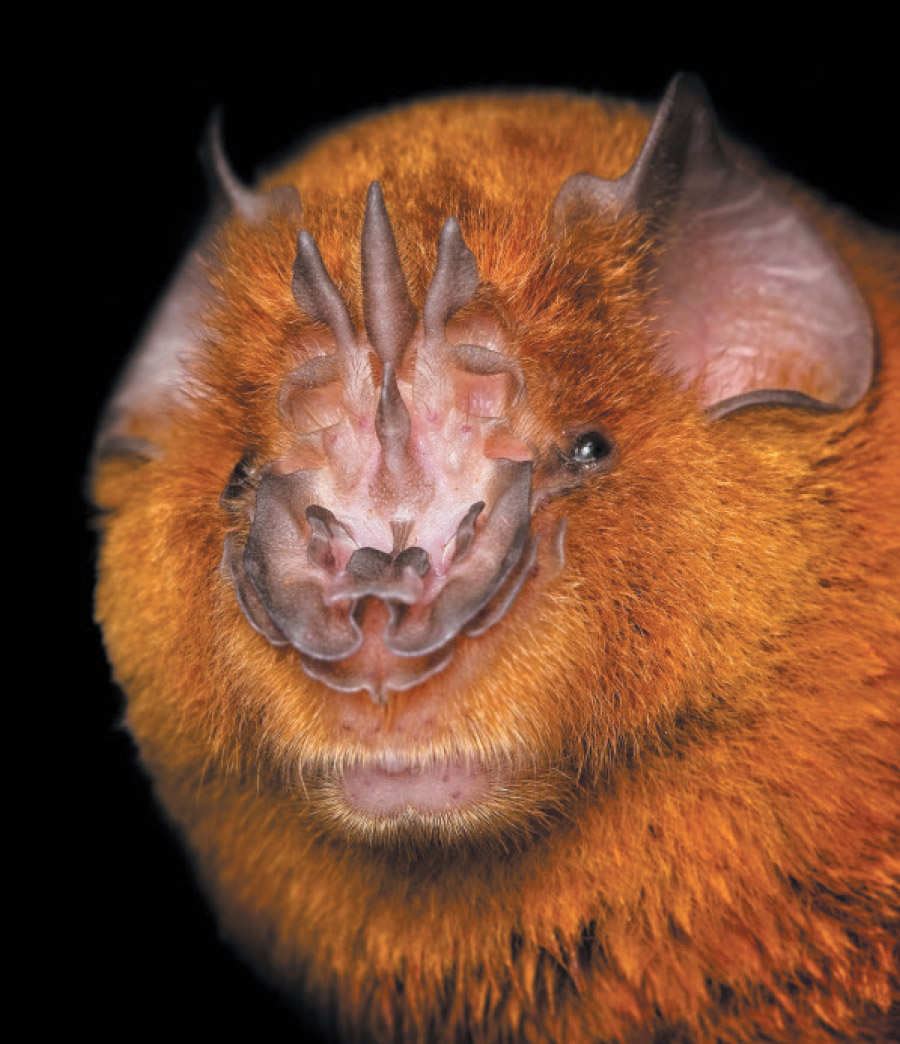
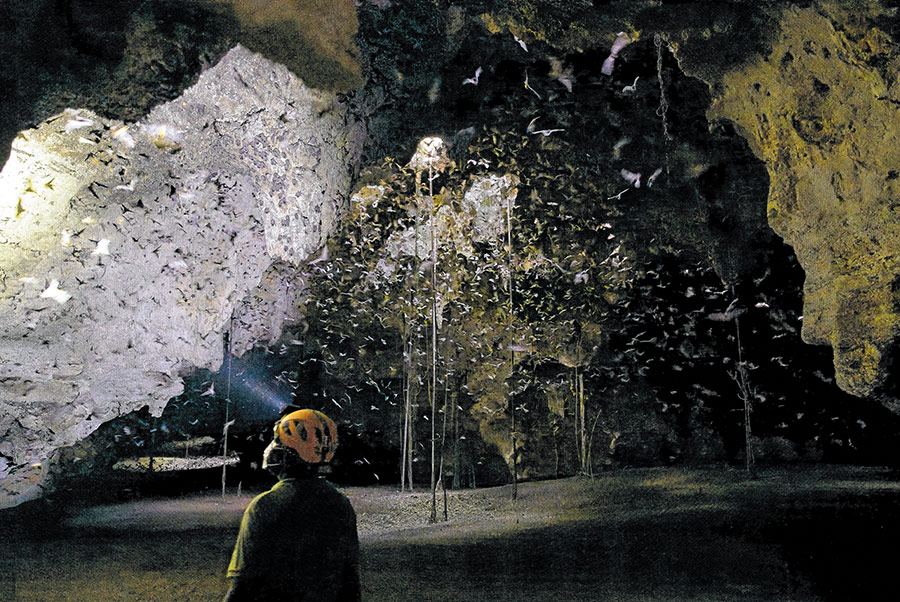
orget the Big Five animals safari-goers seek out, like lions and elephants. It’s all about bats in coastal Kenya—or at least it should be. All along Kenya’s Indian Ocean shoreline are coral caves that bats love to use as roosting sites. Their numbers are so high they comprise up to 27% of Kenya’s mammals. But as it goes with many ecosystems around the world, habitat loss threatens the resident species, including the Endangered Hildegarde’s tomb bat (Taphozous hildegardeae).
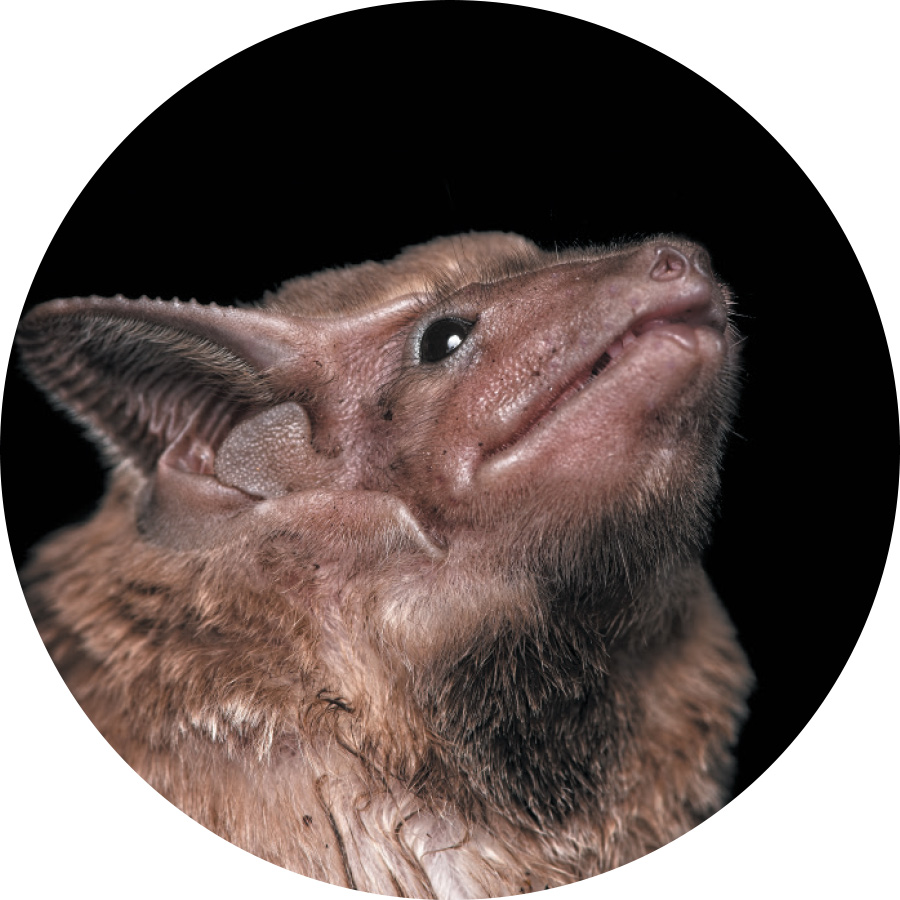
“The three caves that we’re working on have about 70% of the Kenyan Hildegarde’s tomb bat population in them,” says Isabella Mandl, Ph.D., Regional Director, Africa and South Asia. While Hildegarde’s tomb bat can also be found in coastal Tanzania—the species is endemic to the region—very little is known about that population. That’s why protecting the colonies we know about in Kenya is crucial.

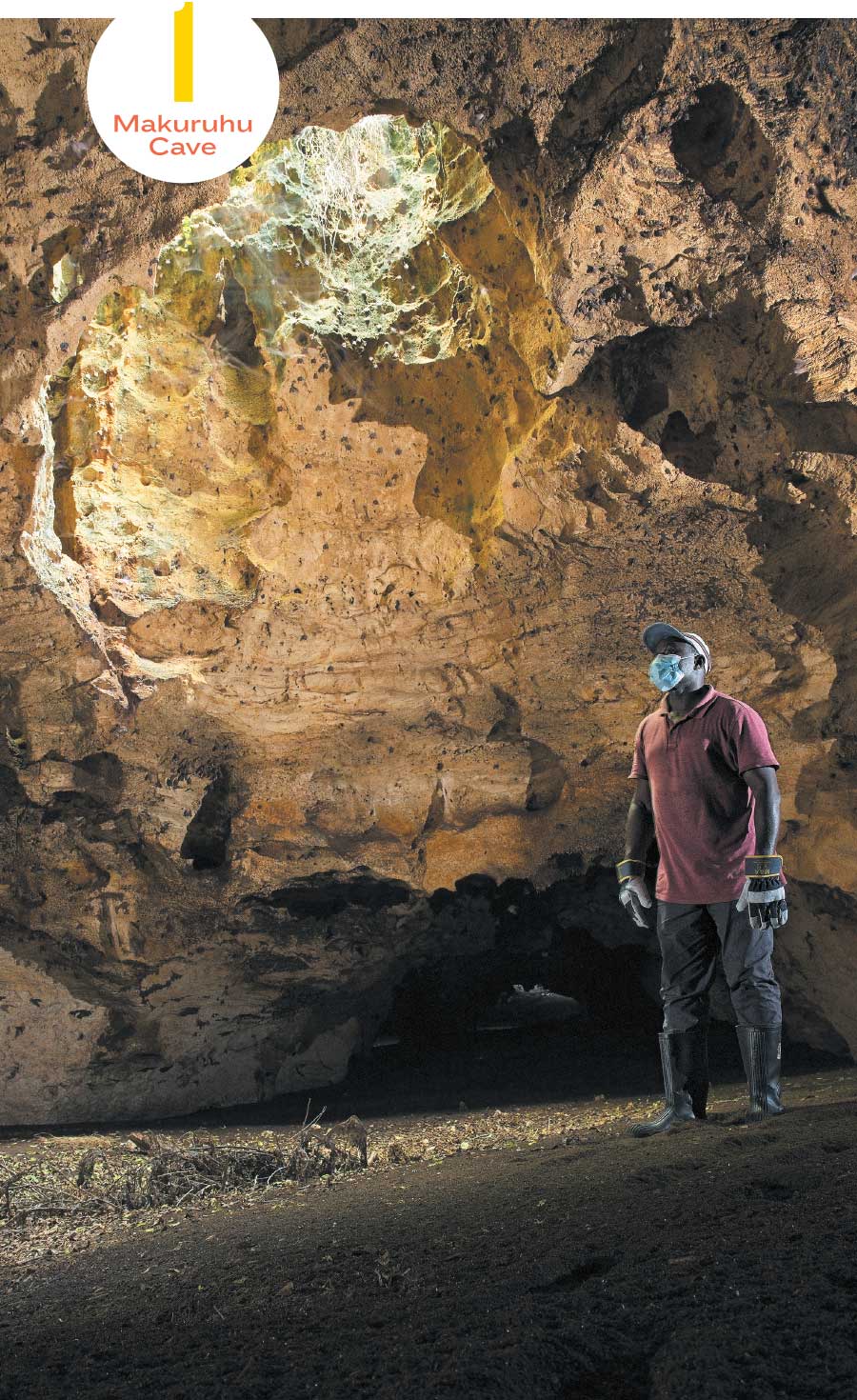
Habitat loss from deforestation and development
At Makuruhu and Three Sisters, this deforestation is largely due to the local communities, who are not acting maliciously, but seeking a way to survive off the land. “At Three Sisters, for instance, the community has been clearing the forests to grow subsistence crops like corn. And they have a lot of deforestation because they require firewood and timber for building and furniture,” Mandl says. A secondary issue derived from agricultural deforestation is guano harvesting. Since guano is an effective fertilizer, the communities have been entering the caves—thus disturbing the bats—to collect it for their crops.
—Paul Webala
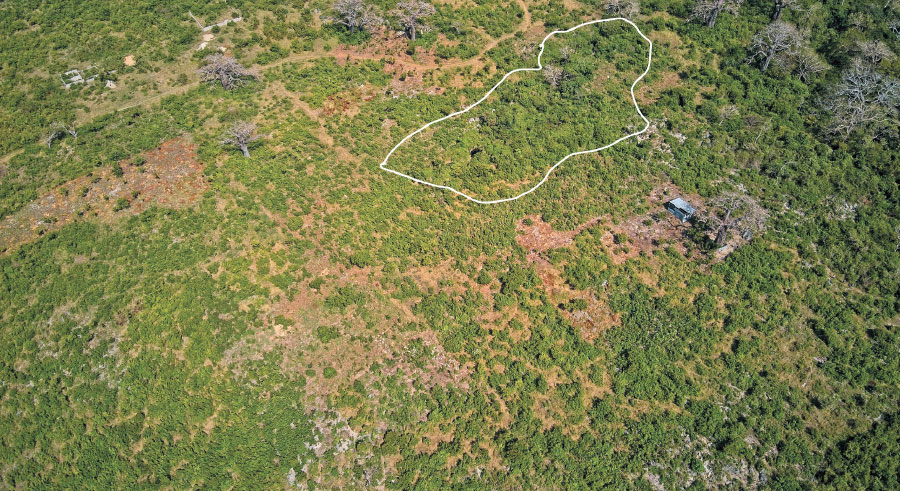
Unfortunately, that’s where you’ll find Kaboga. While the cave was once on private land, the property has been subdivided and sold to private developers, many of whom are building hotels.
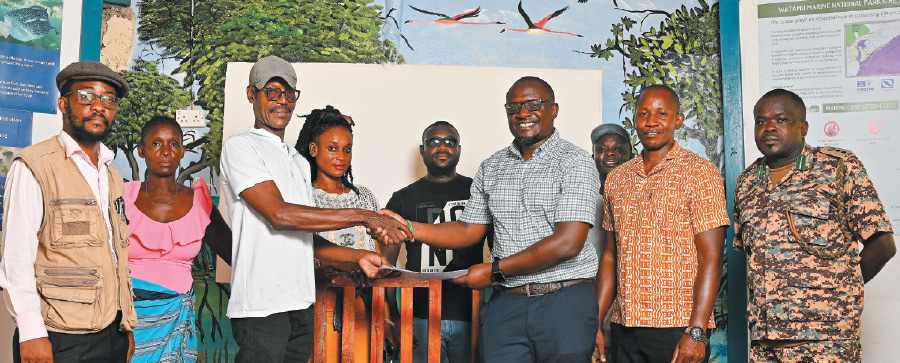
All about Angaza Vijiji
The organization initially focused on promoting biodiversity conservation education among schools and communities in western Kenya, but Obura’s encounter with Paul Webala, Ph.D., at a conference sparked a years-long collaboration focusing on bat conservation. Now, Angaza Vijiji is working with BCI to manage and protect the Kaboga Cave near Watamu.
“We work with communities to promote participatory learning and action for sustainable conservation of threatened bats through education and empowerment,” Obura says. “We build local capacity to enhance action for long-term conservation of bats and other biodiversity at the local level. This helps to establish pathways for sustainable conservation of bats through livelihood and conservation approaches. It’s more than just introducing them to Endangered species. We look at it holistically. How do we break down the science? It’s also critical for us to seriously consider the opportunity for enterprise. These bats can create opportunities for livelihoods.”
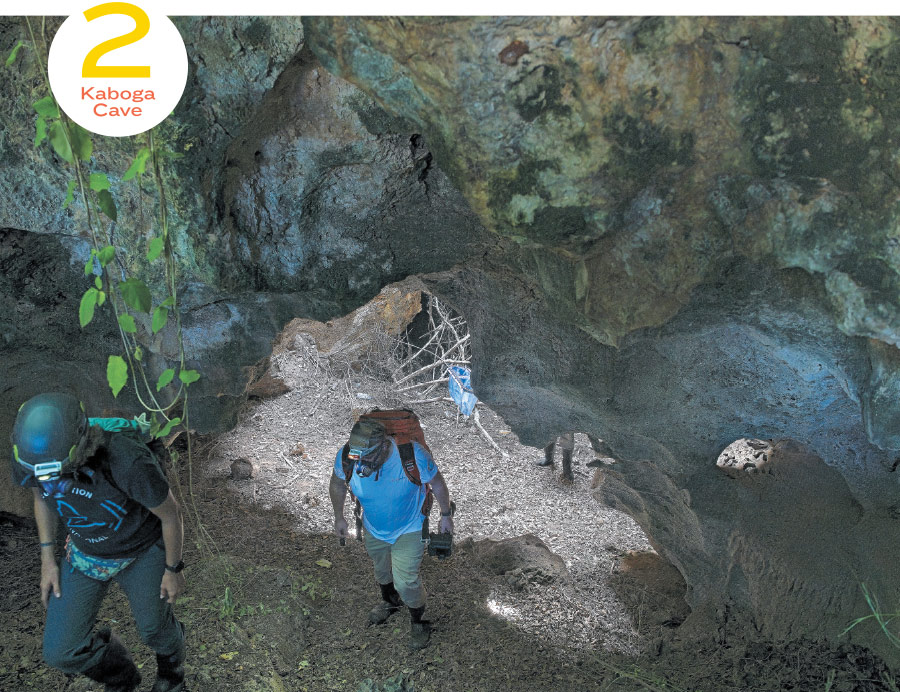
“If BCI didn’t buy the land, the likely scenario would have been that the cave was destroyed. That would have been an extreme disaster,” Webala says. But while the cave might be protected, the surrounding foraging grounds are quickly disappearing, so the bats are still at risk.
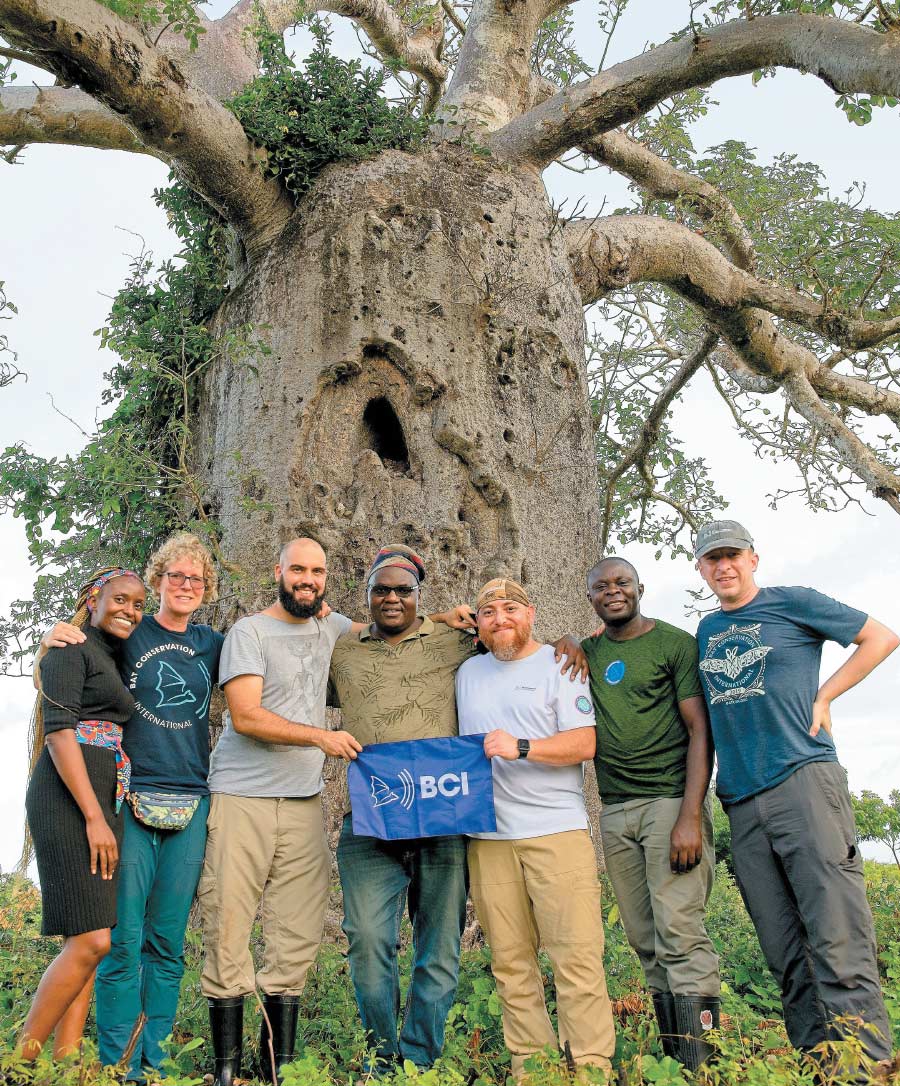
Involving the community
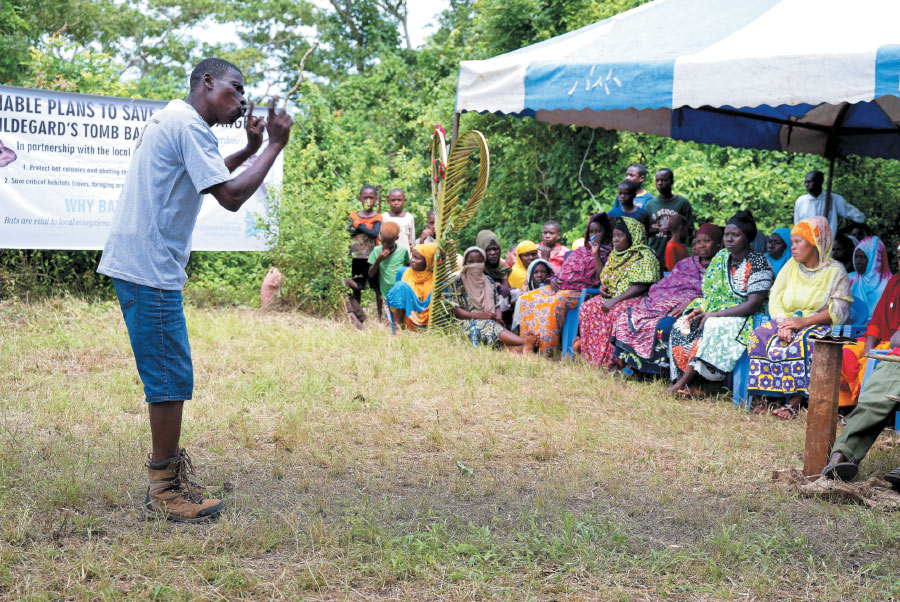
At Makuruhu, the local community has been open to bat education. “We’ve been working very closely with the landowner and the local community members,” Wechuli says. “We educate the community about the bats’ roles in the ecosystem, from pollination to elimination of disease-carrying insects.” And these discussions have been working—the community has signed an agreement to join BCI’s conservation initiatives, which simultaneously offers them protection from rampant land-grabbing. “If you don’t have official papers in Kenya, someone else can just come and claim your land,” Mandl says. “We’re currently helping to get the original landowners’ official paperwork done so that they can actually prove it’s their land.”
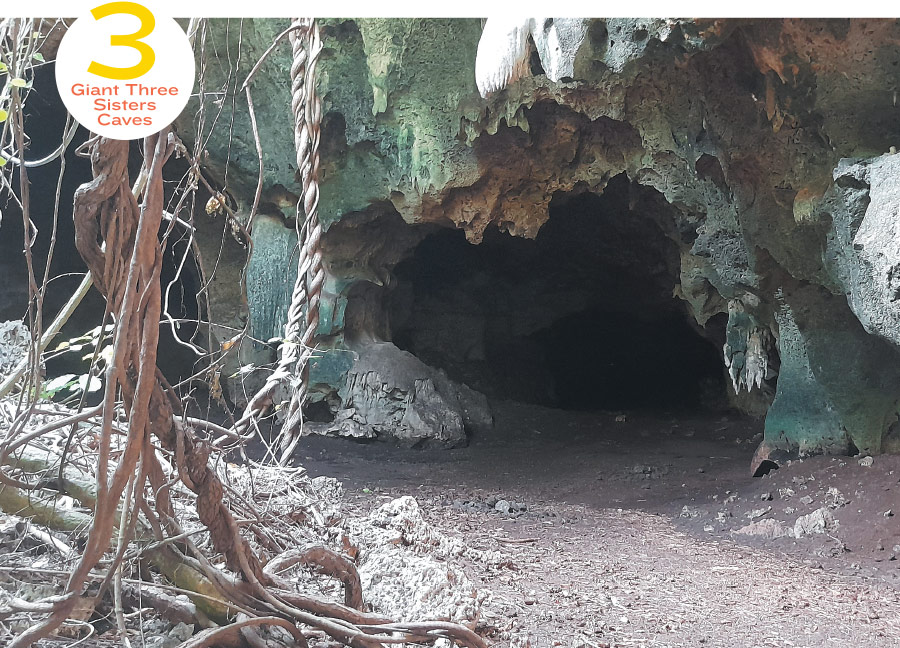
The local community at Three Sisters has also been highly receptive to conservation efforts. But BCI’s involvement here isn’t just limited to the bats. “We are also looking at the other side of the coin: the livelihood of the community members. How do they survive?” Wechuli says.
—David Wechuli
Community efforts, however, look a touch different at Kaboga. With the local community, the issues remain largely the same. “The major challenge is awareness about the bats,” says Evarastus Obura, Founder and CEO of Angaza Vijiji. “The negative connotations of the bats are changing because we’ve run programs in schools and set up local action groups. We’ve seen significant progress.”
Where things differ, however, is with the developers—these are outsiders coming into the area. “There’s a need to not just focus on the locals, but also on the people coming in to establish enterprises,” Obura says. “Some of the developers I’ve met are progressively thinking, and they understand when you tell them about the bats’ contributions ecologically.” His current action plan is to continue his outreach, and he says, “establishing a formalized conversation that would help us understand how we could have a win-win for both parties.”
—Evarastus Obura
What’s next for coastal Kenya
In the near future, that means continuing education efforts and discussions with the local community and creating worldwide awareness. A film crew will visit Kenya this fall to document the ongoing work and share it with a wider audience. “This project will put Kenya on the map for bat research and conservation in the region, especially if the areas are formally protected and conserved by and led by the local communities,” Webala says. “This is just the beginning. We hope to use this as an example to venture into other areas and protect more bats.”