field notes
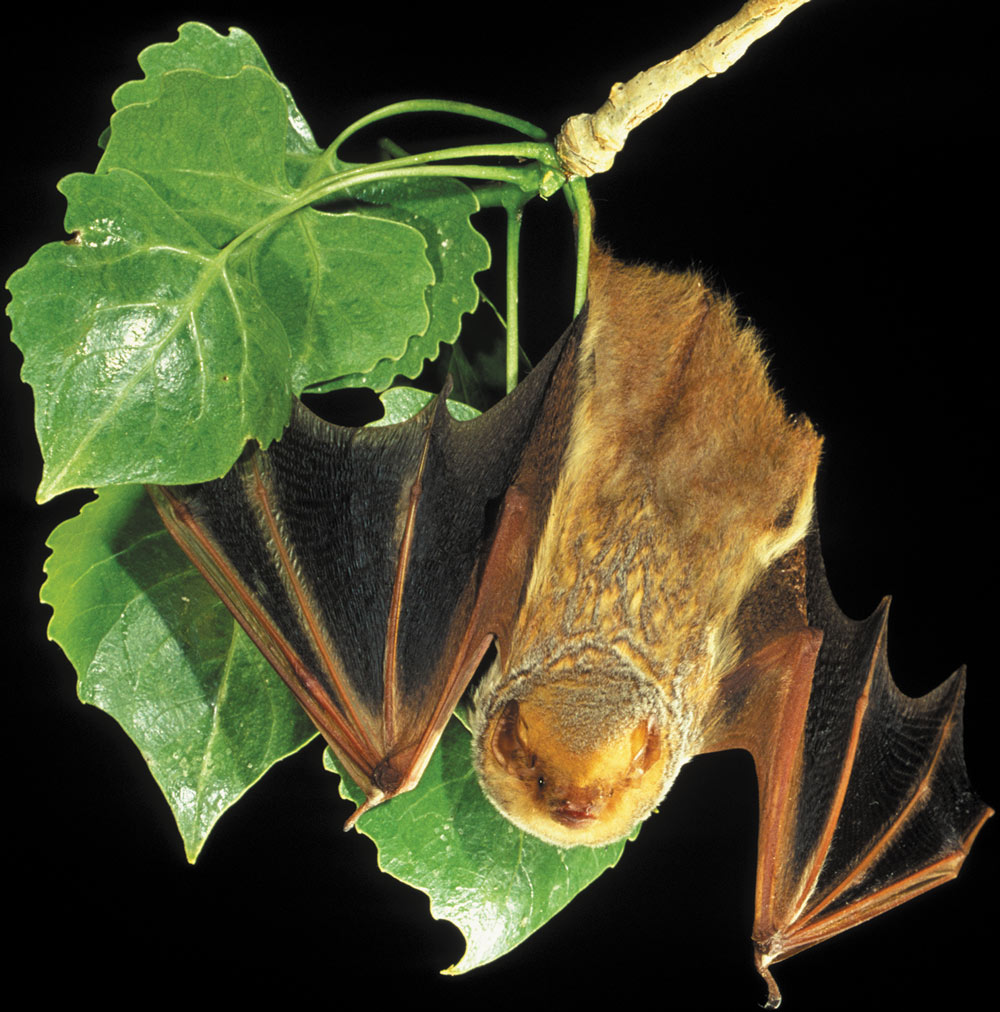
A bat hanging upside down from a branch with green leaves.
A western red bat (Lasiurus blossevillii) perched in green foliage.
Photo: J. Scott Altenbach

Gardening for Bats

Calscape website helps people plan their gardens with bats in mind
By Jill Robbins
In recent years, bee and butterfly-friendly gardening has grown in popularity. Now, bats are getting their moment in the gardening spotlight thanks to Bat Conservation International’s (BCI’s) new partner, Calscape.

Operating under the umbrella of the California Native Plant Society (CNPS), Calscape is an online hub for people who want to plant native gardens in California. Its database contains over 8,000 native plants and trees.

“BCI was seeking to expand its list of plants that are good for bats, and we were enormously impressed with Calscape’s extensive database,” says BCI’s Community Engagement Manager Erin Cord. “They already made it easy for gardeners to access bee and butterfly-friendly plants, and we thought, ‘Why not add bats?’”

Jessica Woodard, Calscape Product Manager, says Calscape was thrilled to make the connections between bats and plants more visible. “BCI did the plant research, and we added bat-specific filters,” Woodard says.

Growing certain native plants that are appropriate for a region supports bats by feeding the insects upon which they prey and providing roosting habitat.


The practice of gardening for bats encourages people to garden with native plants that support what many of our bats eat. We’re already creating gardens hospitable to bees and butterflies; Calscape is helping bring bats into the conversation.
—Erin Cord
“The practice of gardening for bats encourages people to garden with native plants that support what bats eat,” Cord says. “We’re already creating gardens hospitable to bees and butterflies; Calscape is helping bring bats into the conversation.”

Night-blooming plants, which draw unique pollinators that bats seek out as prey, are great options. Plants with white blooms or other light, bright colors that pop in the dark may also meet the criteria of being supportive of bats. Consider incorporating these types of plants into your gardenscape to provide a late-night dinner for bats.

Although Calscape is for California bat-loving gardeners, anyone can access the free database and view plants that support bats. However, additional research and adjustments are needed to choose plants for gardens outside the Golden State.

“This collaboration has brought fresh energy to our work by reminding us that native gardening isn’t just about plants—it’s about the entire web it supports,” Woodard says. “We’re excited to keep pushing boundaries on what Calscape can offer as a tool to gardeners and conservationists.”

Visit Calscape’s website when planning your garden at calscape.org

How you can garden for bats

Visit Calscape’s website to get started
To plan your garden, search Calscape’s website for plants by name or use 14 different filters to help find the right plants. Descriptions contain detailed information about how to grow the plant and what wildlife it supports. As part of the collaboration with BCI, Calscape’s database now includes a bat icon to indicate plants that support bats.

On Calscape’s homepage, click “Support Wildlife” and check out the new “Bloom for Bats” section, which includes 465 plants that support bats. To tailor search results, gardeners can use multiple filters. For example, a search for an easy-care perennial shrub for a dry, sunny spot turns up 63 results. Another quick click shows where to buy it, making planning a bat garden that much easier.

plant icon
Native trees create great roosting habitat for some bat species to shelter and raise their young.