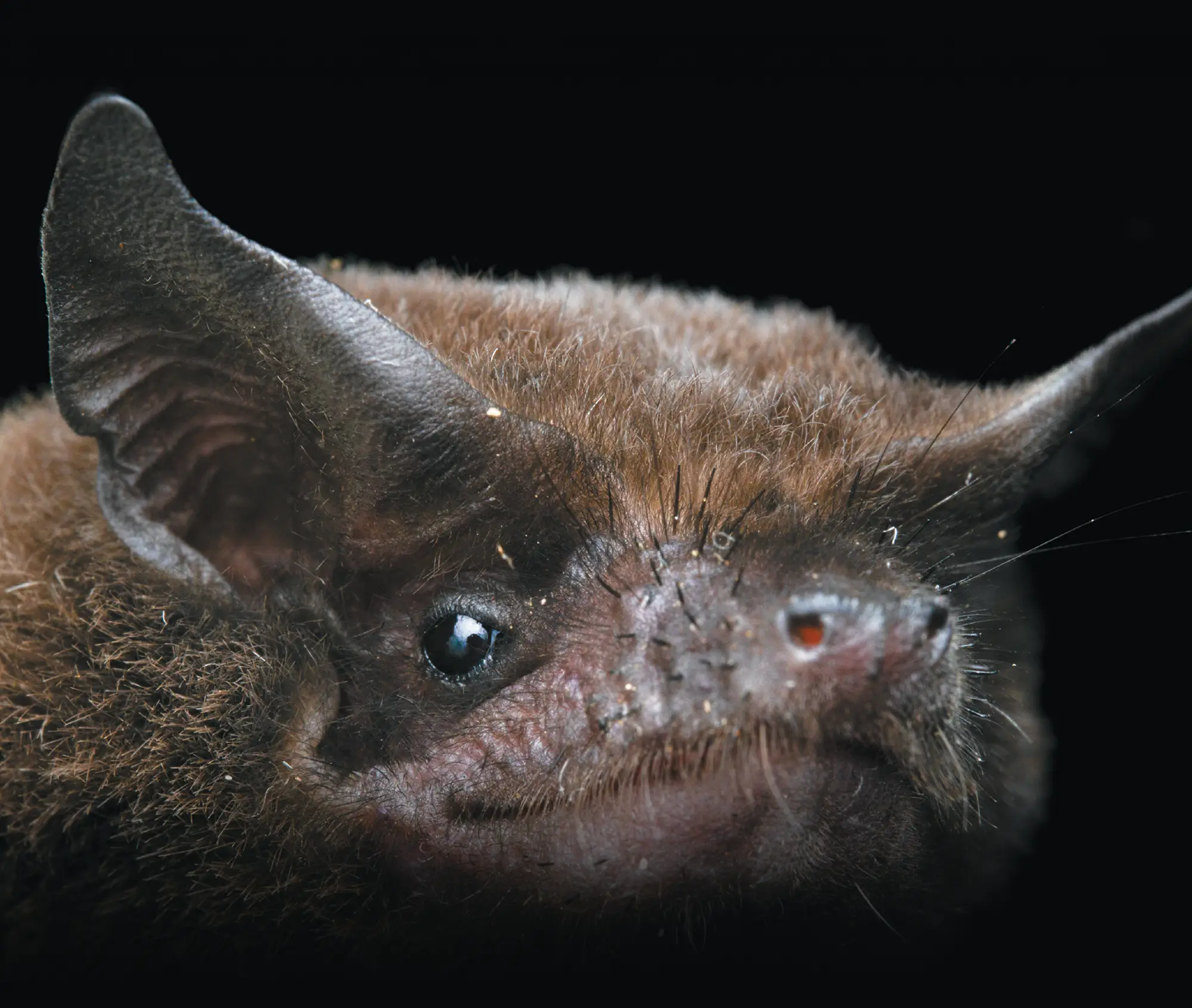
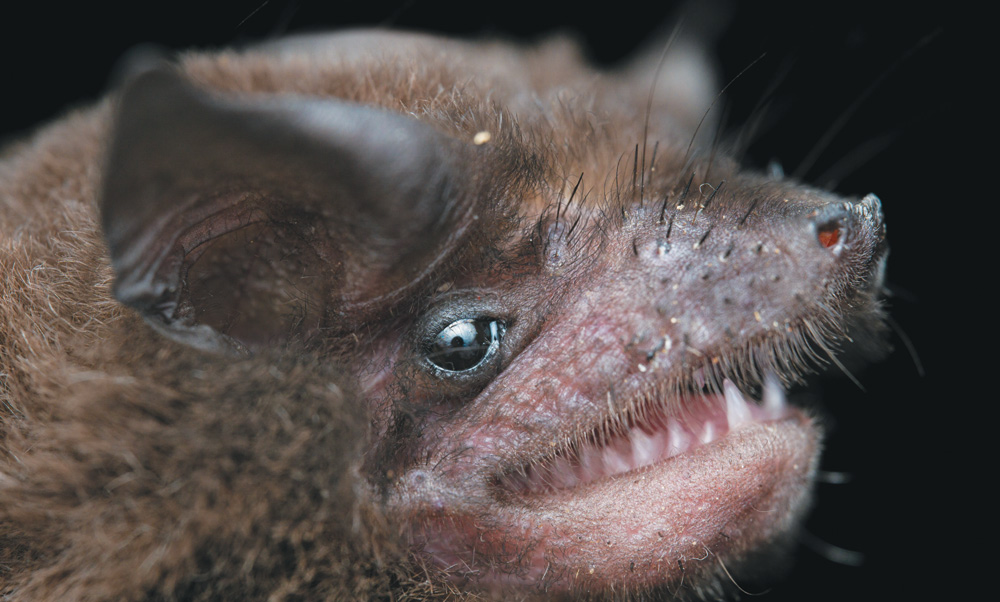
Bunsy emphasizes no conservation effort will succeed without the support of the people living near or, in some cases, even on top of the caves. Sharing information with the community and involving village leaders in supporting the project is a vital first step. This will grow awareness of the importance of the caves, as well as teach residents about the different bat species. Most locals don’t realize that the bats in the caves protect human crops by eating insects, which also reduces villagers’ exposure to mosquito-borne diseases. According to Bunsy, some people even kill the tiny cave bats on purpose because they are under the impression that they are the babies of fruit bats, which are often blamed for destroying crops.
Once educational outreach is accomplished, other stakeholders, including the Mauritian government, can come in. Creating a legal framework to protect the caves is essential to stop people from throwing refuse into the caves. This must be done in a way that has the support of the local community and is sustainable over the long term.
Once the health hazard of waste dumping in the caves has been eliminated, local communities can potentially benefit directly from the bats’ presence through income from structured, small-scale bat and cave tourism.
Though other major potential threats to the Mauritian free-tailed bat are still under study, Bunsy suspects that pesticide use in the agricultural fields where the bats forage may also be a problem. Using acoustic recorders, she has found that the bats prefer to forage in forested and agricultural lands.
“In Mauritius, the major crop is sugarcane,” she explains. “It’s a big industry that uses a lot of pesticides. So indirectly, it would be a link to the decline of the bat because it’s not just a threat to its habitat, but also to its feeding grounds.” More research is needed about the bats’ feeding behavior to address this other half of the conservation equation.
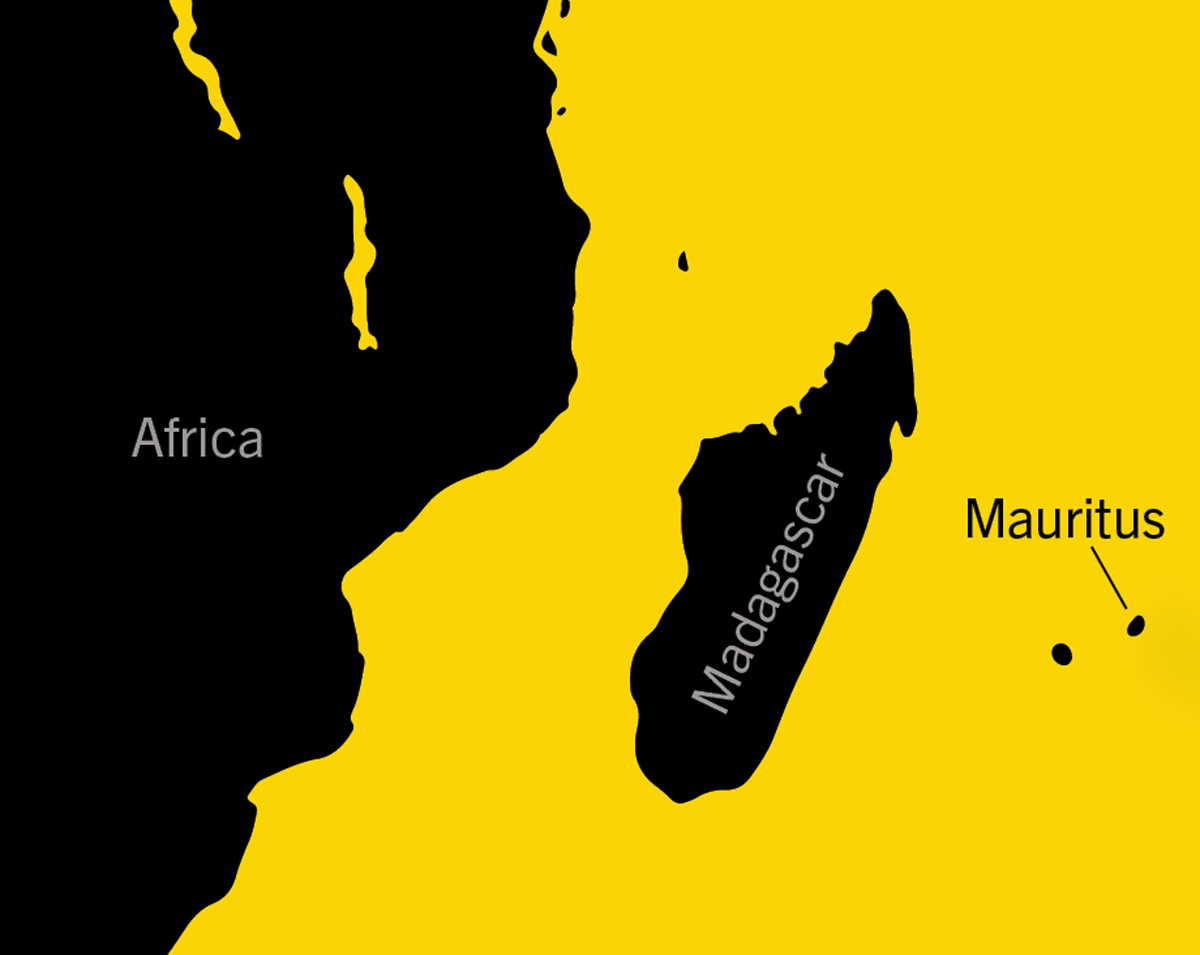
“This tiny bat on a tiny island in the middle of the Indian Ocean is going extinct in complete silence,” Bunsy says. “But I think there’s a lot of hope, as well. We have a relatively simple system in Mauritius. We have all the ingredients to be a lab of conservation.”