











annual report 2025
Leading with Purpose.
Inside
Photo: Josh Hydeman
Annual Report 2025
Photo: Horizonline Pictures
Photo: Ruben Galicia
MESSAGE FROM our Interim Chief Executive Officer
Navigating Change.
Leading with Purpose.
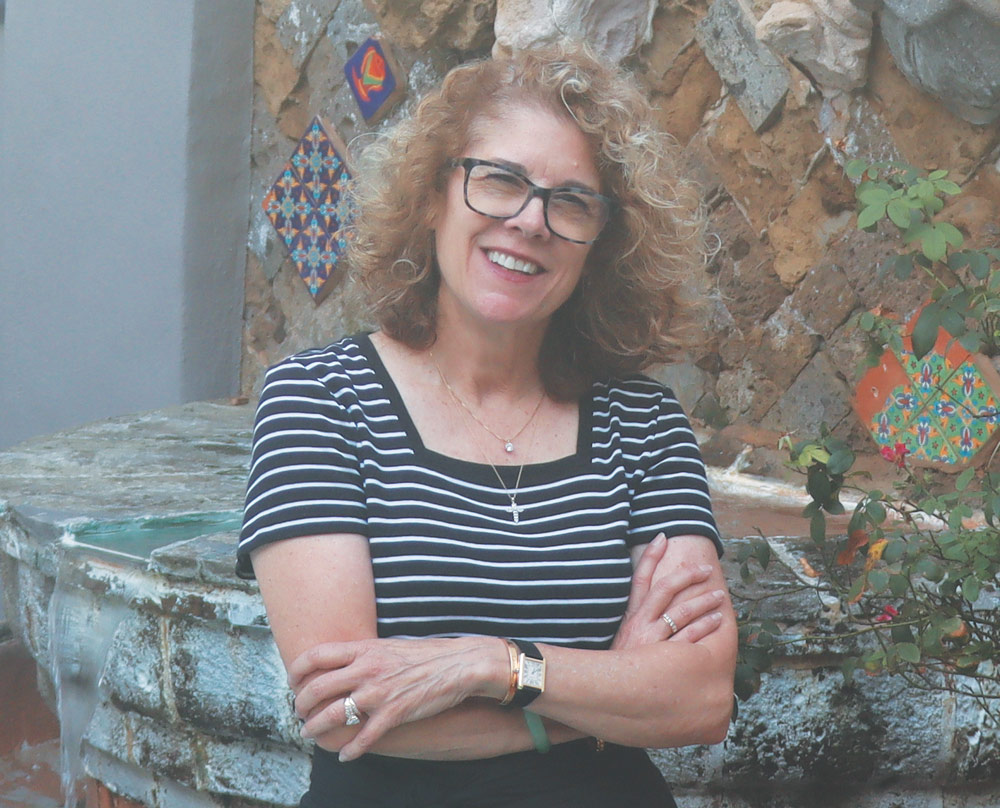
Now, as we transition into BCI’s next phase of growth, we can look back with pride and satisfaction on FY25, the gains we made, and our ongoing commitment to protecting and saving the world’s bats.
Whether domestically or on the international stage, our leadership in FY25 was prominent and noteworthy. Some examples include the U.S. Fish and Wildlife Service awarding our Agave Restoration Initiative team with the Recovery Champions Award for leadership in the recovery of the Endangered Mexican long-nosed bat (Leptonycteris nivalis). Similarly, BCI’s continued work in Colombia resulted in the first habitat bank for bat conservation in Latin America while we also protected and strengthened conservation of 10 priority bat roosts in Mexico.
BCI’s Chief Scientist, Winifred Frick, Ph.D., chaired a Bat Mitigation Working Group for the Convention on the Conservation of Migratory Species’ Energy Task Force, while BCI also hosted a bat conservation event at the United Nations Biodiversity Conference of the Parties (COP16) in Colombia. Our accomplished team of scientists also produced 21 scientific publications and launched 11 new BCI-led research projects.
Our focus on providing educational support across a broad spectrum of students and scholars continued, culminating in our Student Scholars Program funding 417 scholars’ bat research in 80 countries since its launch. FY25 brought three new countries into our scholar community, including Benin, Burkina Faso, and Kosovo.
Finally, partnering with The LEGO Group and Discovery Education, we designed, developed, and distributed the “Night Navigators: Build for Bats” Virtual Field Trip, which has reached approximately 830,000 students to date.
These are just a few of our FY25 accomplishments, so please read on to learn more.
As is often said, “The only thing that is constant is change.” I’d suggest that there’s another constant: BCI’s unwavering commitment to conservation and our mission to save the world’s 1,500+ bat species and their ecosystems, helping ensure a healthy planet. Thank you for your partnership as we do so.
—Eileen Arbues
Mission One: Endangered Species Interventions
Saving endangered cave bats around
the globe
Photo: Kathryn Slater

kenya
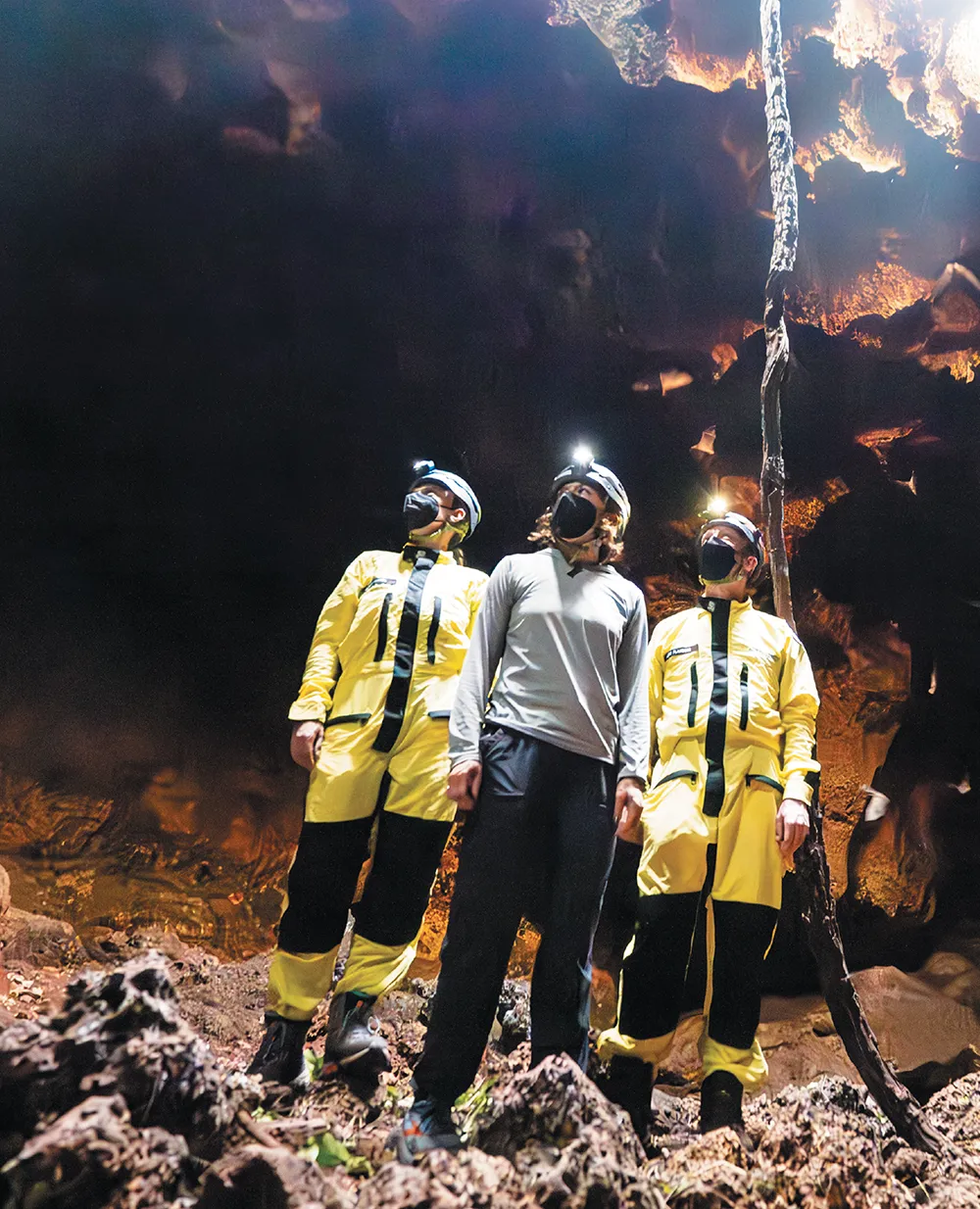
Photo: Horizonline Pictures
Protecting Bat Caves in Kenya
When we learned the land around Kaboga Cave was about to be sold to developers, BCI actively worked to purchase the land for long-term conservation. Kenyan partner Angaza Vijiji now manages the site, and we have constructed a perimeter wall to prevent disturbance of the bats, as well as conducted an ecological survey and begun initial site maintenance. We are working with partners to conduct workshops and outreach with local communities to determine how to use the land effectively to benefit the bats and residents.
At the Three Sisters Caves in Fikirini, we developed the initial infrastructure to accelerate forest restoration activities and have conducted five training workshops with the local community.
We partnered with the German Society for International Cooperation and hired a consultant to study the potential for ecotourism in the region, working toward a regional conservation action plan.
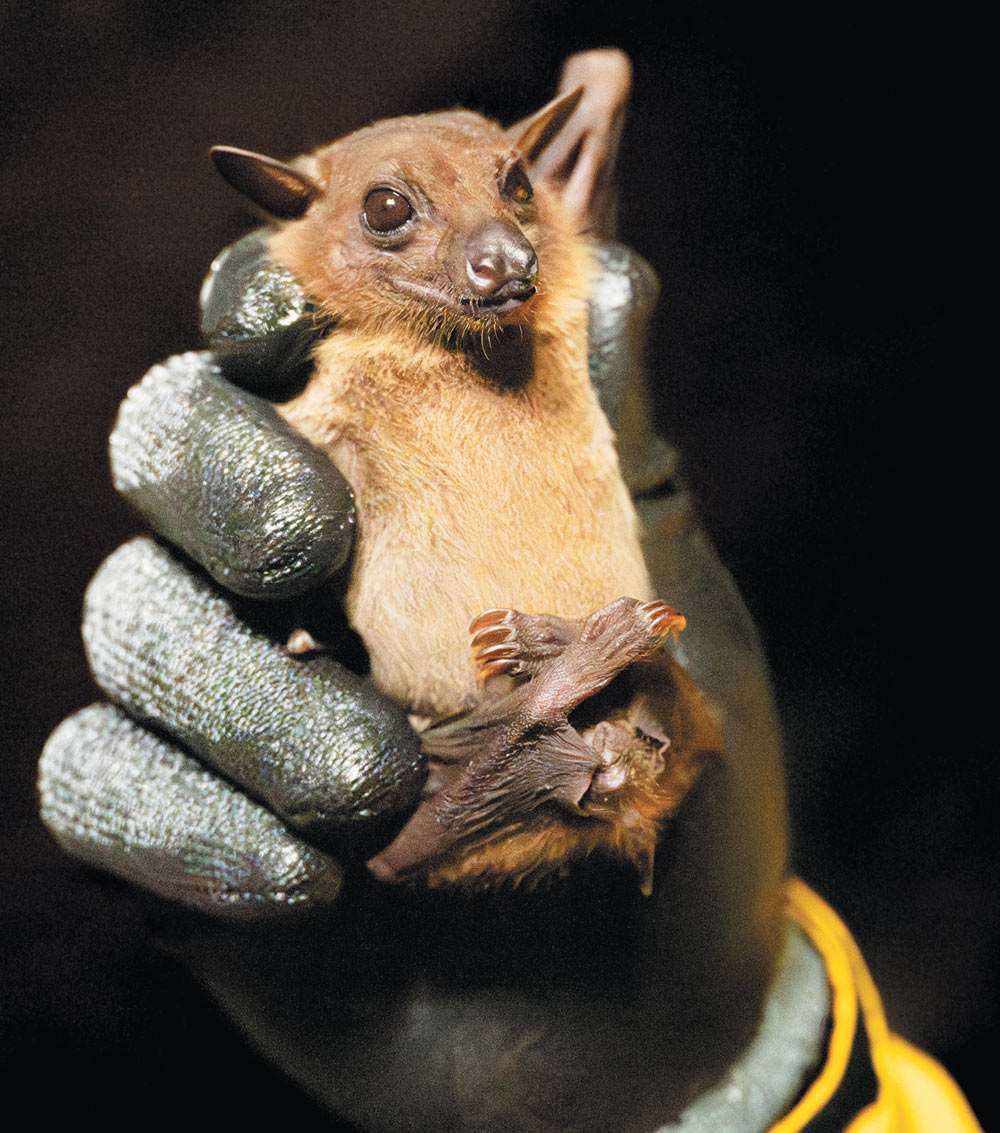
Photo: Horizonline Pictures
Jamaica
Educating and Empowering People in Jamaica
Our FY25 accomplishments included:
- Completing the installation of predator-proof fences at both caves.
- Launching Jamaica’s first bat-focused museum exhibit, “Guardians of the Night,” at the Natural History Museum of Jamaica.

Photo: Horizonline Pictures
Fiji
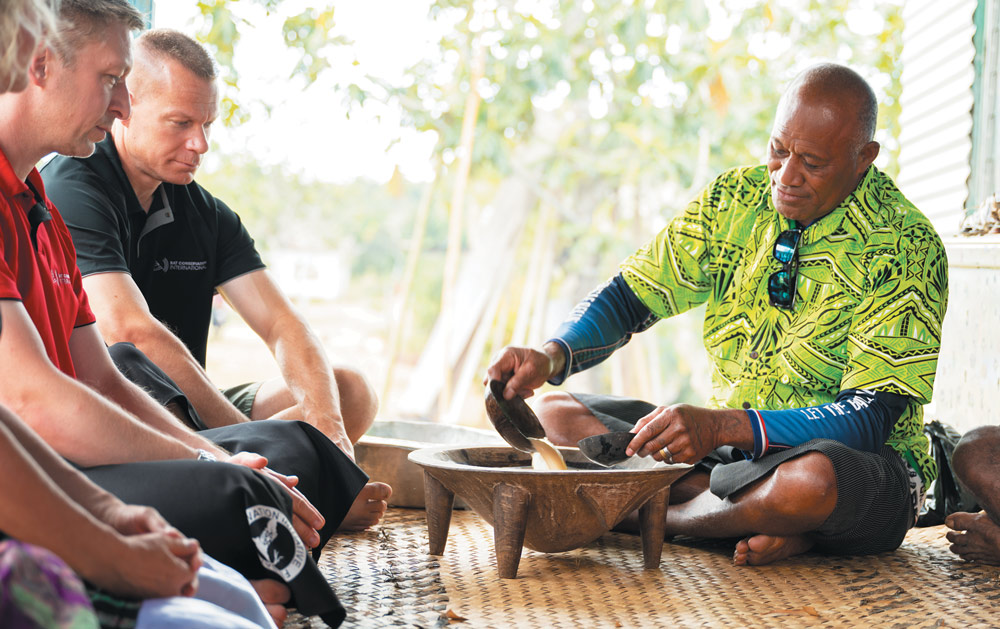
Photo: Horizonline Pictures
Fiji
Creating a Sanctuary in Fiji
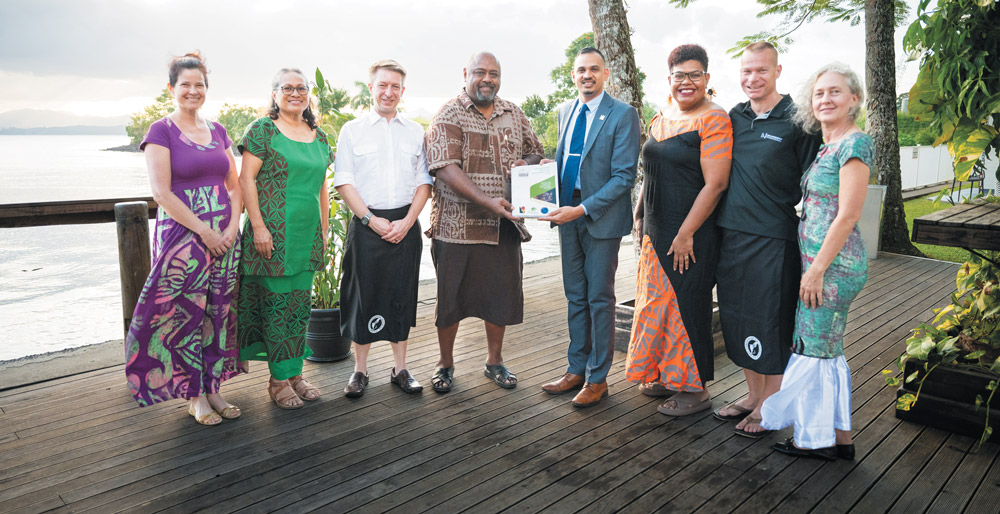
Photo: Horizonline Pictures
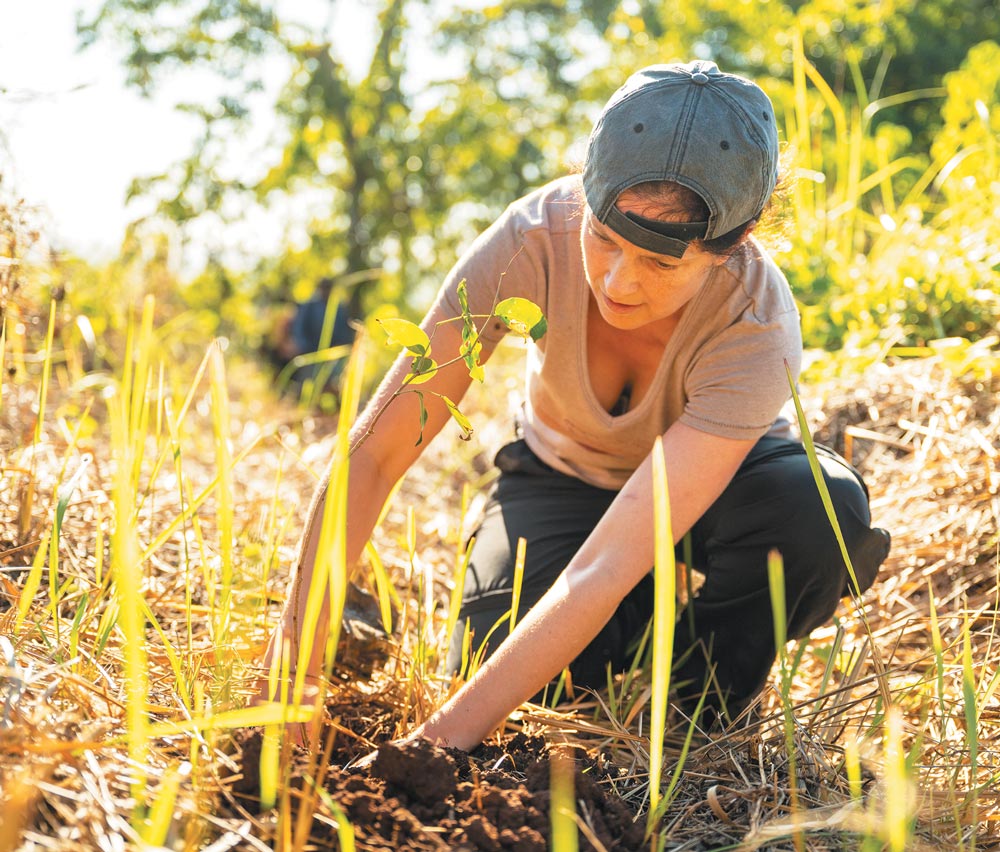
Photo: Horizonline Pictures
night watch
Night Watch: A Worldwide Mission
To date, there have been 1.8 million views for “Night Watch: A Worldwide Mission.”
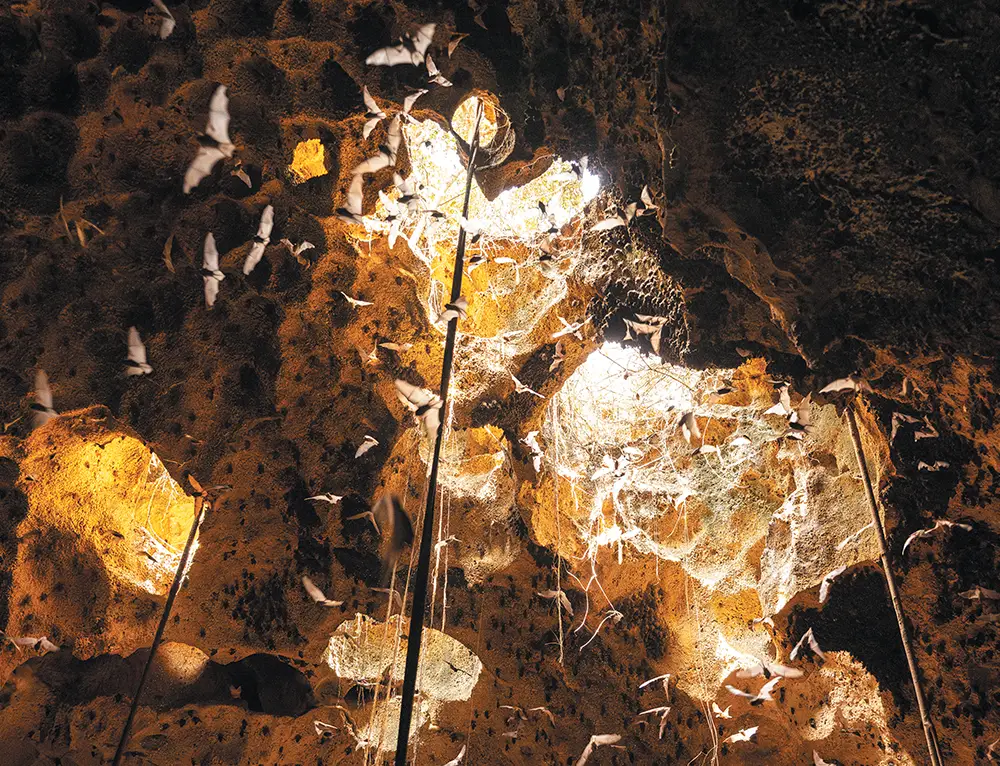
Photo: Horizonline Pictures
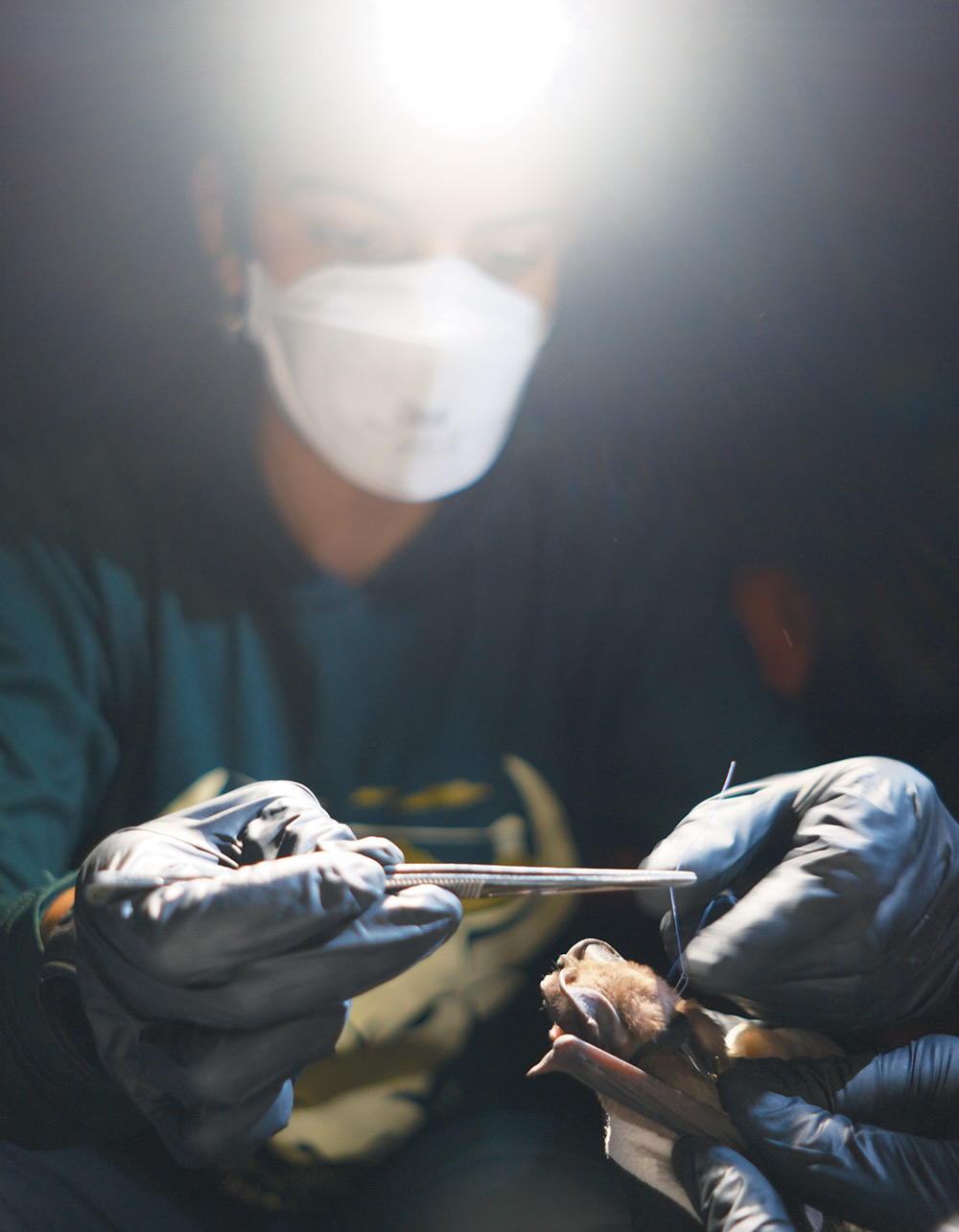
Protecting the Florida Bonneted Bat
FY25 by the numbers:
40 Florida bonneted bats tagged with GPS trackers.
10 additional artificial roosts installed (in addition to replacing deteriorating roosts from 2018 with a new and improved design).
Credit: MGambaRios
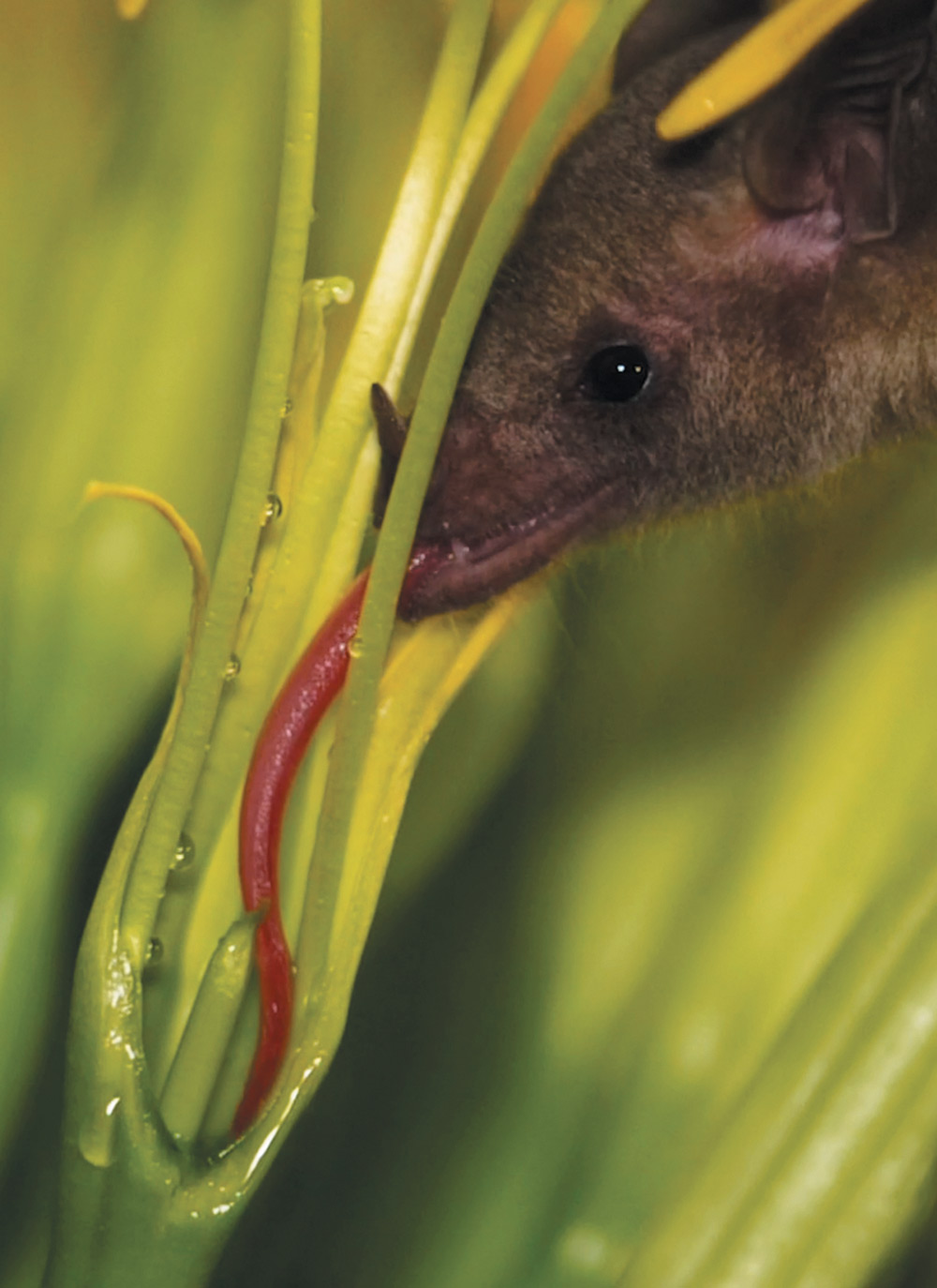
Photo: Horizonline Pictures
Global Media Attention for BCI Discovery in Arizona
Protecting Mexican Caves
Through strategic alliances with an extensive network of local collaborators, from community landowners to academia and conservation organizations in eight Mexican states, we will protect:
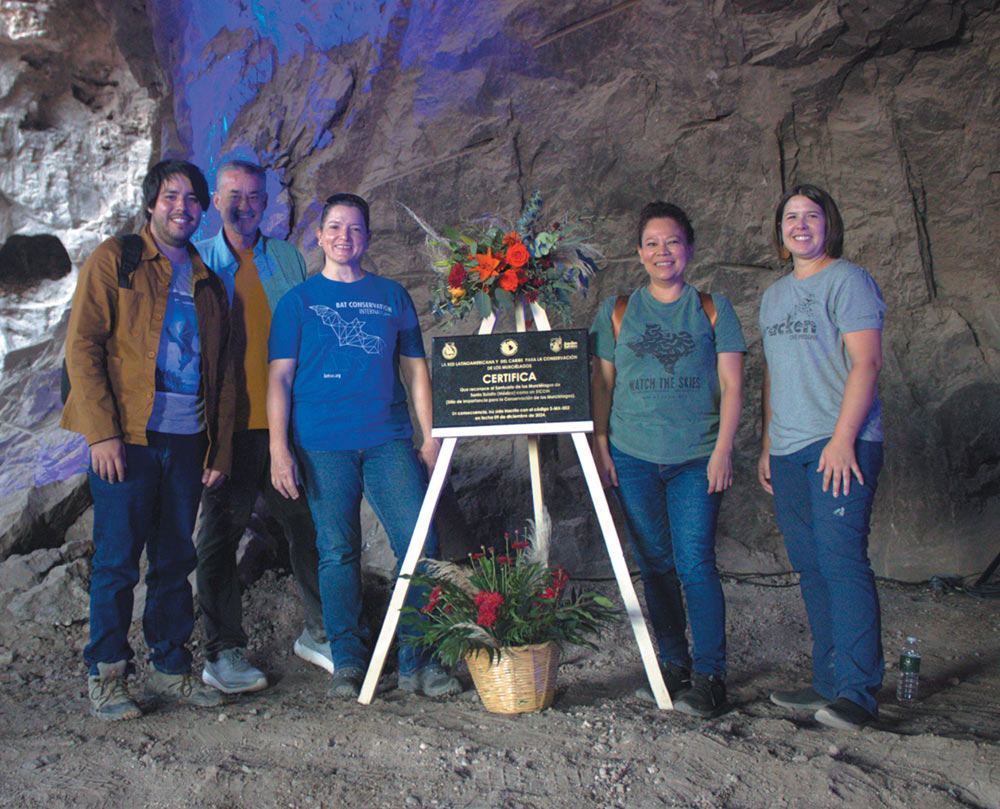
Photo: Omar Medrano
Establishing New Bat Conservation Projects in Peru
Additionally, in collaboration with Yunkawasi, a partner in Peru, we created and launched a bat curriculum that has been used throughout the country, reaching more than 200,000 people in its first year alone.
Protecting Cave Roosting Bats in Brazil
Through our cave assessments in the Cerrado biome, 49 caves were evaluated, with two identified as hot caves, marking the first records of this rare ecosystem for the biome. Additionally, we found that vampire bat control methods in Brazil pose a significant threat to all cave-dwelling bats. We are now developing a vampire bat initiative to minimize their impacts.
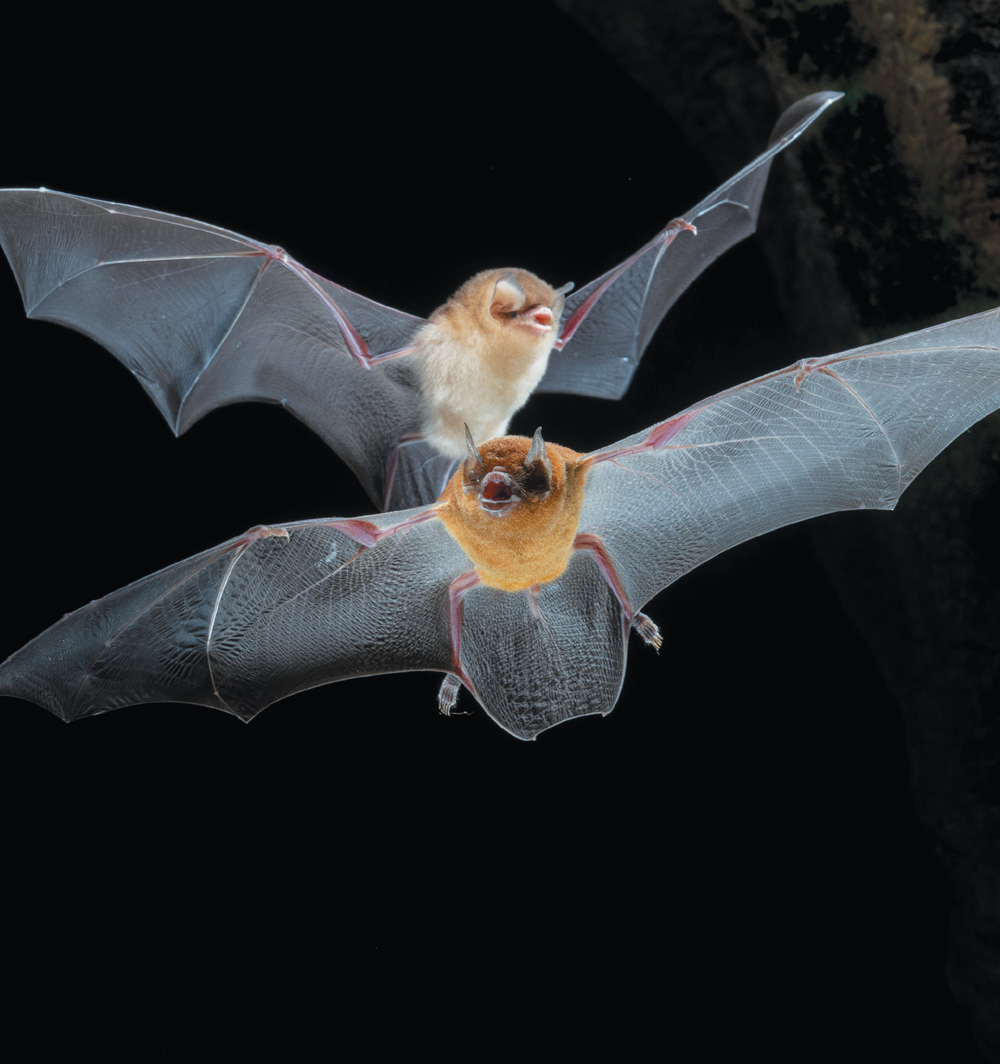
Photo: Jennifer Barros, Ph.D.
Photo: MGambaRios
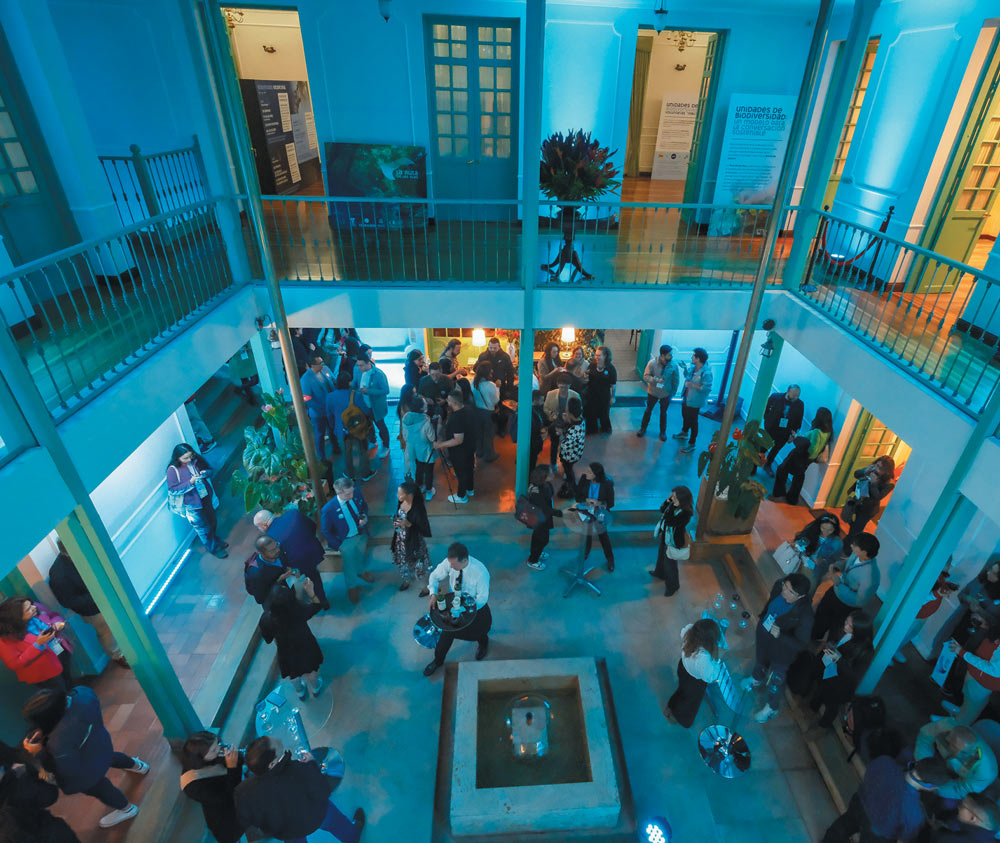
Protecting Habitat for the Endangered Colombian Antioquian Sac-winged Bat
We held a successful Ika Refuge launch event in Bogota with participants from the government, NGOs, academic institutions, and the private sector. Our partners from La Ruta de las Alas participated in more than a dozen national and international events to share the initiative’s success.
Ika Refuge will protect hundreds of species, including:
- 80+ bat species
- 139 bird species (including four endemics)
- 220 plant species
- 45+ mammal species
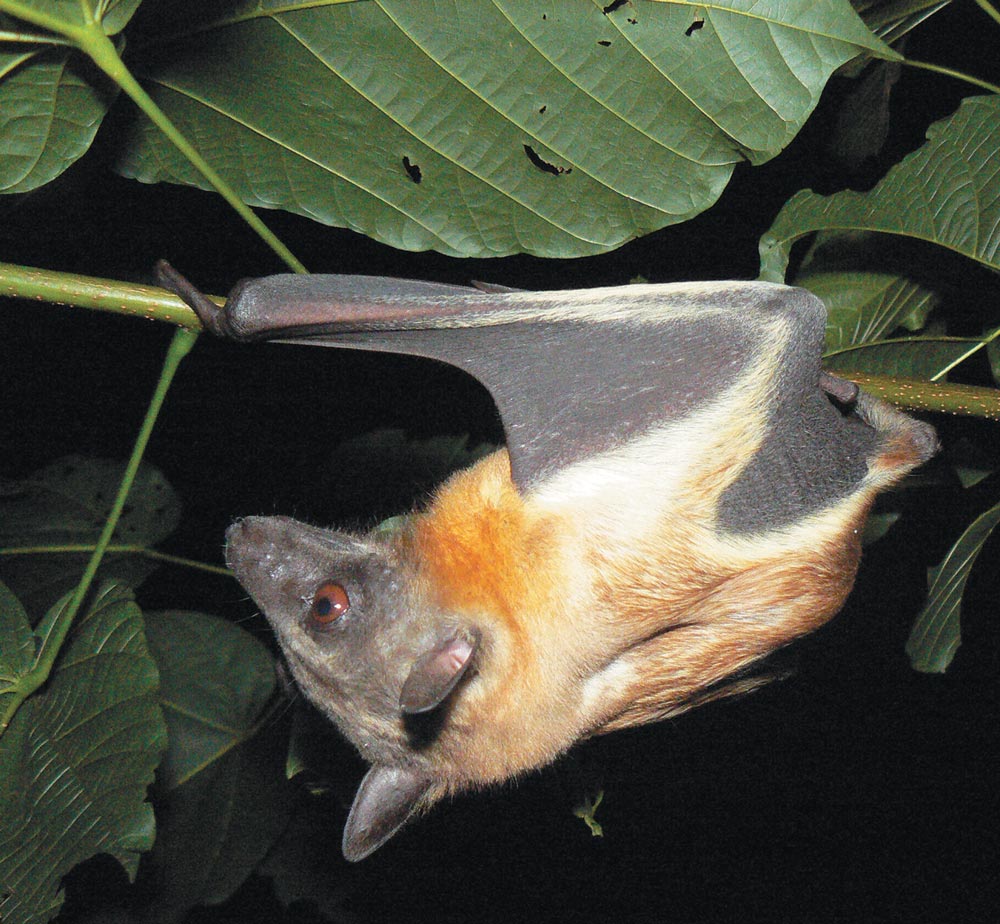
Photo: Natalie Weber
Protecting Straw-Colored Fruit Bats in Guinea
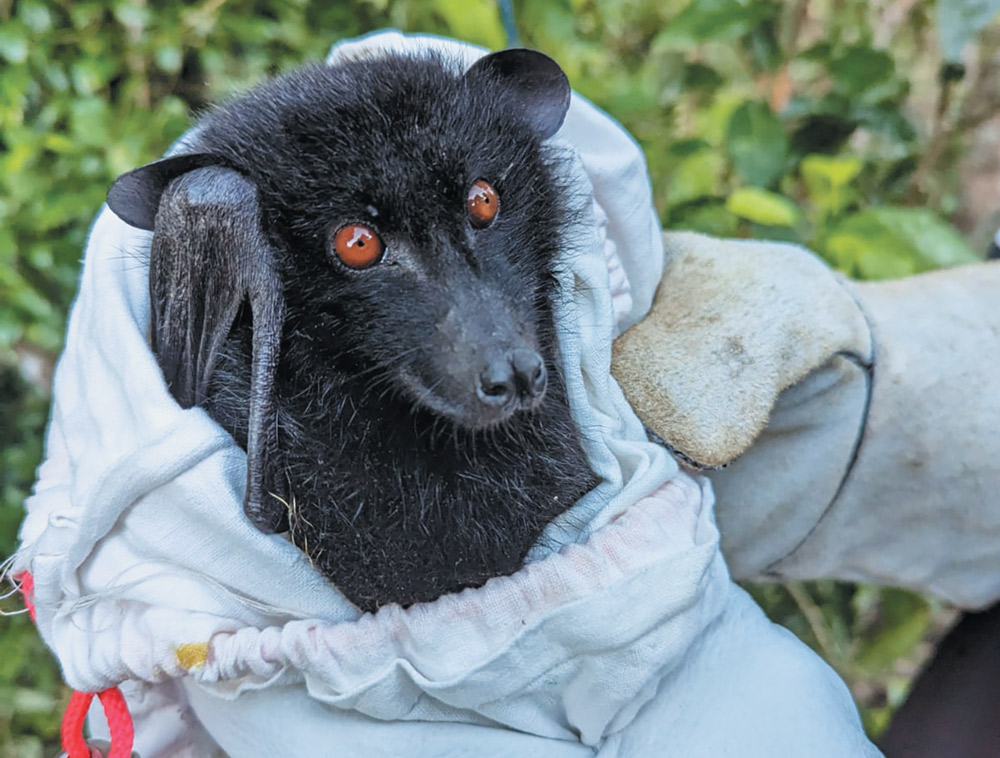
Photo: Isabella Mandl, Ph.D.
Livingstone’s Fruit Bat Downlisted from Critically Endangered to Endangered
Surveying the Pemba Flying Fox
Working Towards a Sustainable Guano Harvest in Mozambique
Acoustic Bat Monitoring Expands in Rwanda
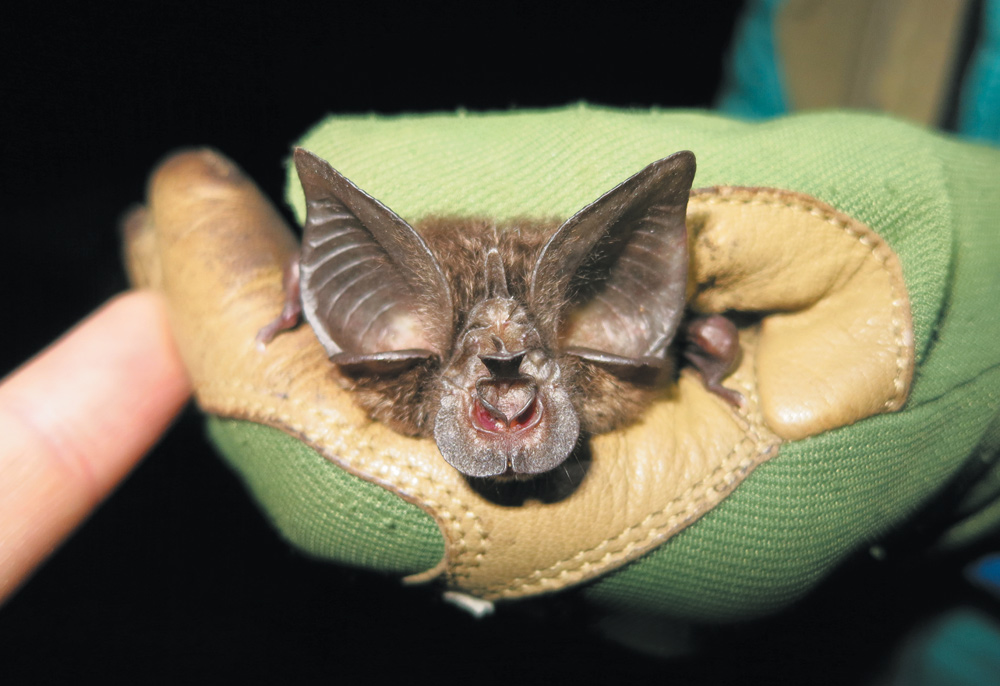
Photo: Jon Flanders, Ph.D.
India Collaborations and Initiatives
We also developed a study focusing on the importance of bats living in historical monuments in urban areas. Preliminary results show that bats consume important rice and sugarcane pests. In partnership with WWF India, we will start conducting bat walks in the monuments.
Photo: Rohit Chakravarty, Ph.D.
Mission Two: Protect and Restore Landscapes
Restoring Western Lands for Bats
Photo: Dan Taylor
Photo: Dan Taylor
Photo: Sarah Marquez
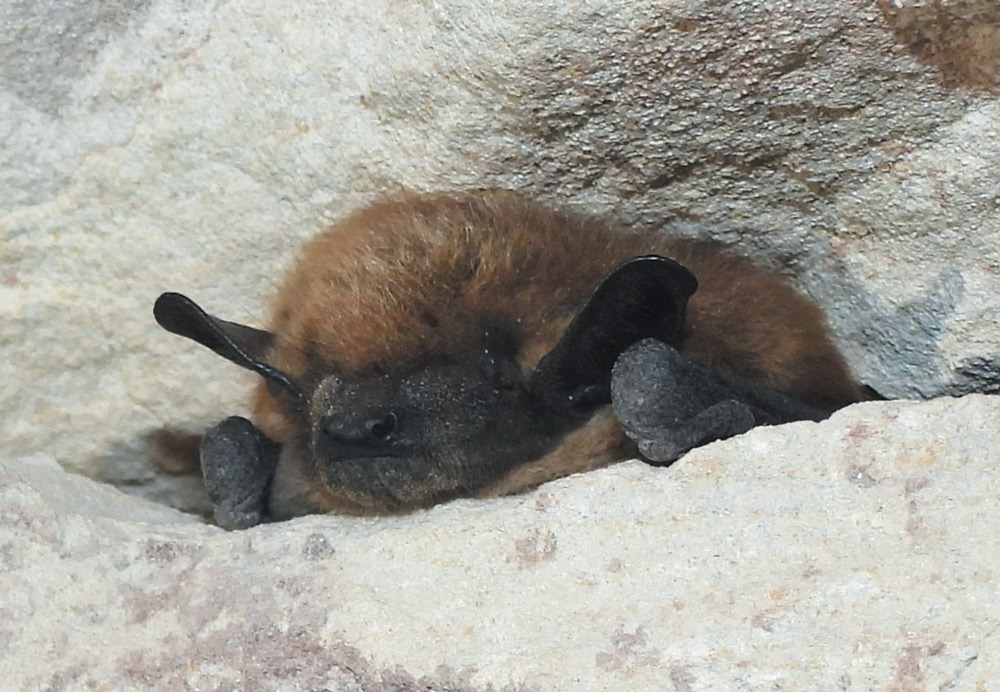
Photo: John Moeny
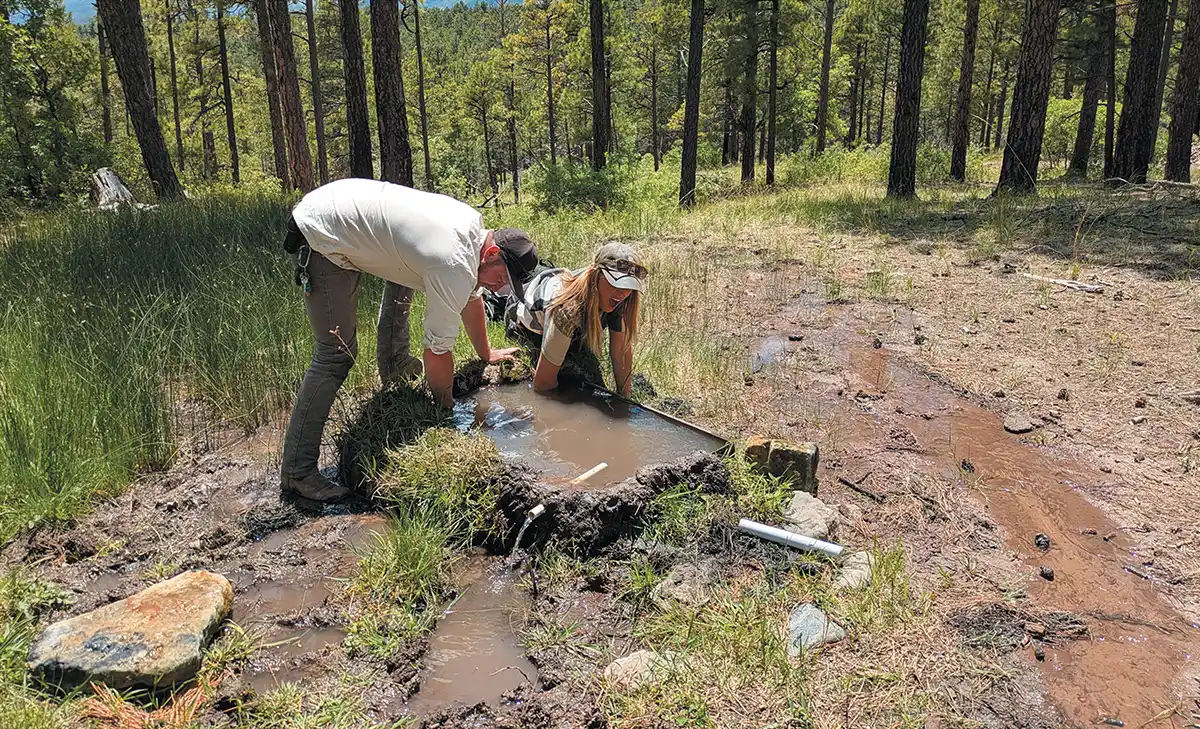
- Entered a five-year, $6 million mutually beneficial agreement with the Santa Fe National Forest to assist with post-fire restoration efforts after New Mexico’s largest wildfire.
- Completed watershed planning and essential project development in 24 watersheds impacted by New Mexico’s second largest wildfire in the Gila National Forest. Projects identified include protecting several bat-occupied caves, and stream and wetland restoration covering nearly 170 linear miles.
U.S. Fish and Wildlife Service Recovery Champions Award
Photo: J. Scott Altenbach

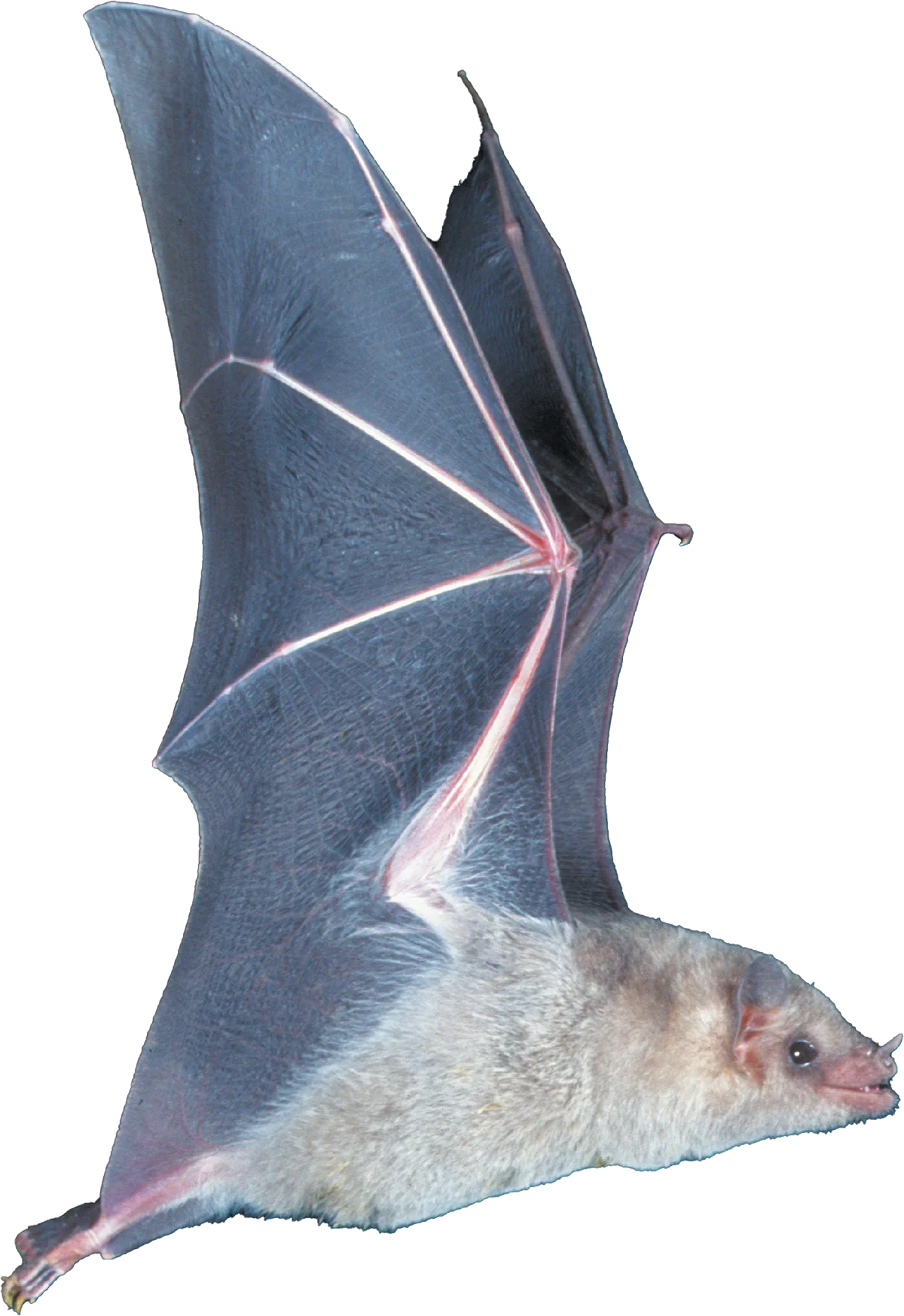
Photo: J. Scott Altenbach
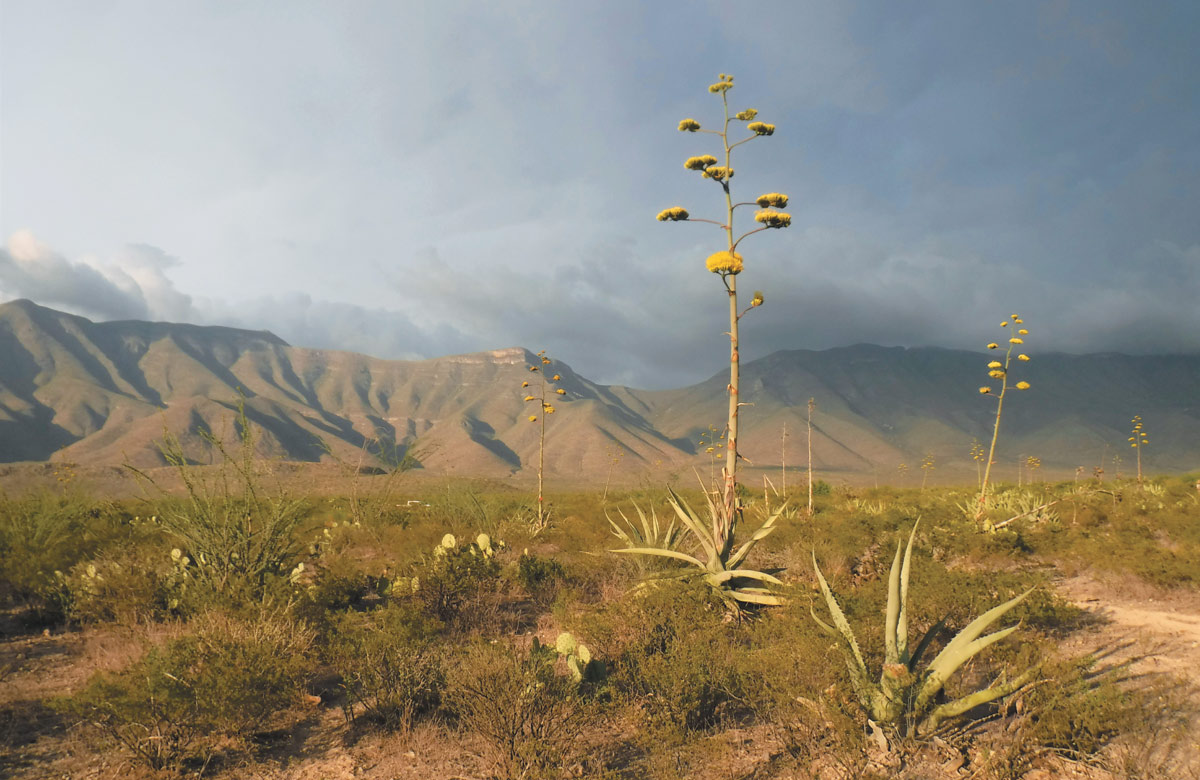
Photo: Kristen Lear, Ph.D.
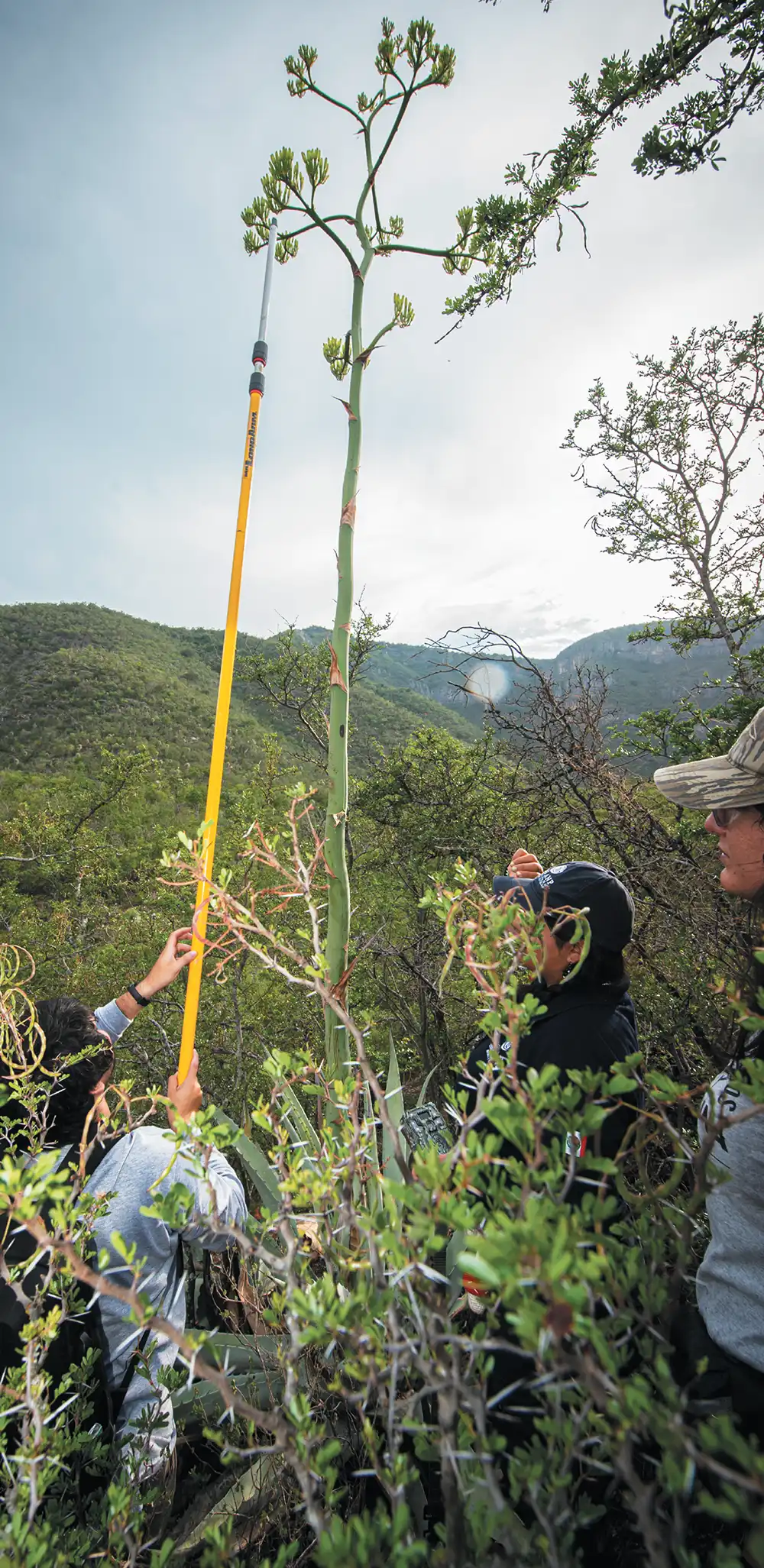
Photo: Isai Dominguez
Protecting Bats’ Nectar Corridors in the U.S. and Mexico
Work in Mexico
- In collaboration with the National Commission for Protected Areas (CONANP), we launched a regional bat monitoring program for northeast Mexico, including a training and capacity-building workshop for Northeast Mexico Protected Areas, as well as coordinated monitoring efforts. This effort involved 31 participants from 10 federal Protected Areas from five states and representatives of Secretaría de Medio Ambiente-Coahuila (SMA). Together, they protect almost 3 million hectares.
- The Northeast Mexico Agave Restoration Network held its third meeting in Monterrey, Mexico, with 58 key collaborators from 27 different partner organizations in attendance. The main win was the signing of a Letter of Intention to formalize the Northeast Mexico Agave Restoration Network as a collaborative network to continue advancing restoration, conservation, and management of bats and critical habitats.
- The annual Bat Fest Monterrey served as a platform for raising public awareness about the importance of bats and their conservation. Local education partner Battus hosted the event, which brought 25 organizations and 355 participants.
- We hosted two Exchanges of Experience with 30 participants to foster peer-to-peer learning on sustainable business development, restoration, and bat and agave monitoring. This included an Exchange of Experience for four women’s groups, involving 20 women developing sustainable green business enterprises.
- We held nine training workshops to enhance local capacity for restoration, sustainable land management, sustainable green businesses, and bat and agave monitoring. These benefited 431 people.
- We continued to support 10 green community businesses in Mexico that sustain natural resources and agave habitat for bats, benefiting 245 local people.
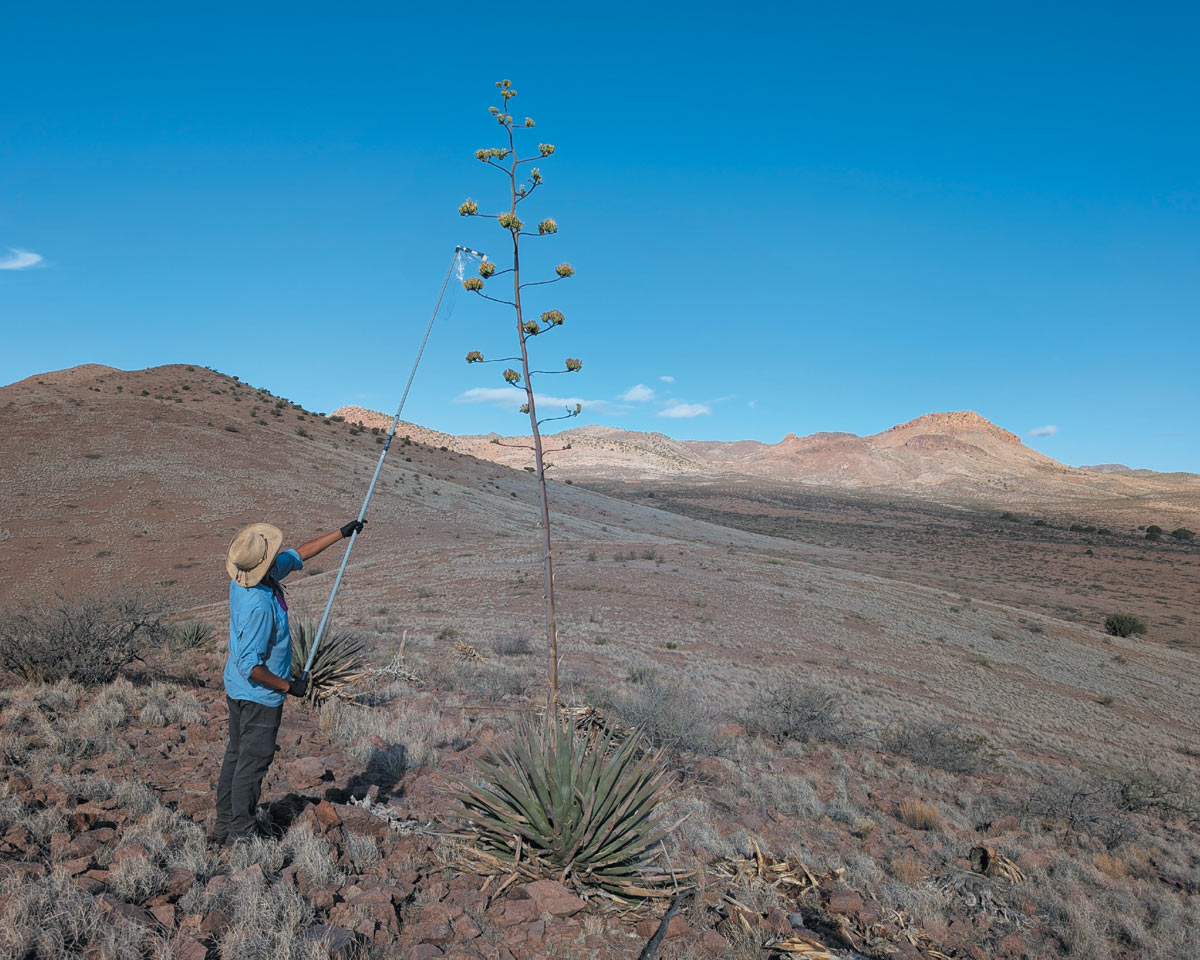
Photo: Kristen Lear, Ph.D.

BCI Discovers Expanded Range for Mexican Long-Nosed Bats Using eDNA
Work in the Southwest U.S.
- We launched a pilot project integrating agave restoration into livestock management in the Southwest U.S.
- We established new partnership with the San Carlos Apache Tribe in Arizona to restore agaves on Tribal lands for bat conservation and cultural uses, and the tribal greenhouse renovation was completed.
- BCI was awarded a Share with Wildlife Project by the New Mexico Department of Game and Fish to implement agave enhancement and intensive eDNA sampling in a range expansion area for the Mexican long-nosed bat (Leptonycteris nivalis) in New Mexico.
Photo: Josh Hydeman
Subterranean Discoveries and Projects
- Discovered the largest known Townsend’s big-eared bat (Corynorhinus townsendii) hibernaculum and the second-largest known little brown bat (Myotis lucifugus) and Yuma myotis (Myotis yumanensis) hibernaculum in Washington state under our Diversity Grant from Washington Department of Fish & Wildlife.
- Documented multiple significant California leaf-nosed bat (Macrotus californicus) roosts in the Mojave-Sonoran region, under our agreements with the Bureau of Land Management and U.S. Fish and Wildlife Service.
- Conducted habitat assessments on nearly 600 abandoned mines in nine states, working under multiple federal grants and agreements. More than 150 of these abandoned mines provide bat habitat and will be managed for long-term protection.
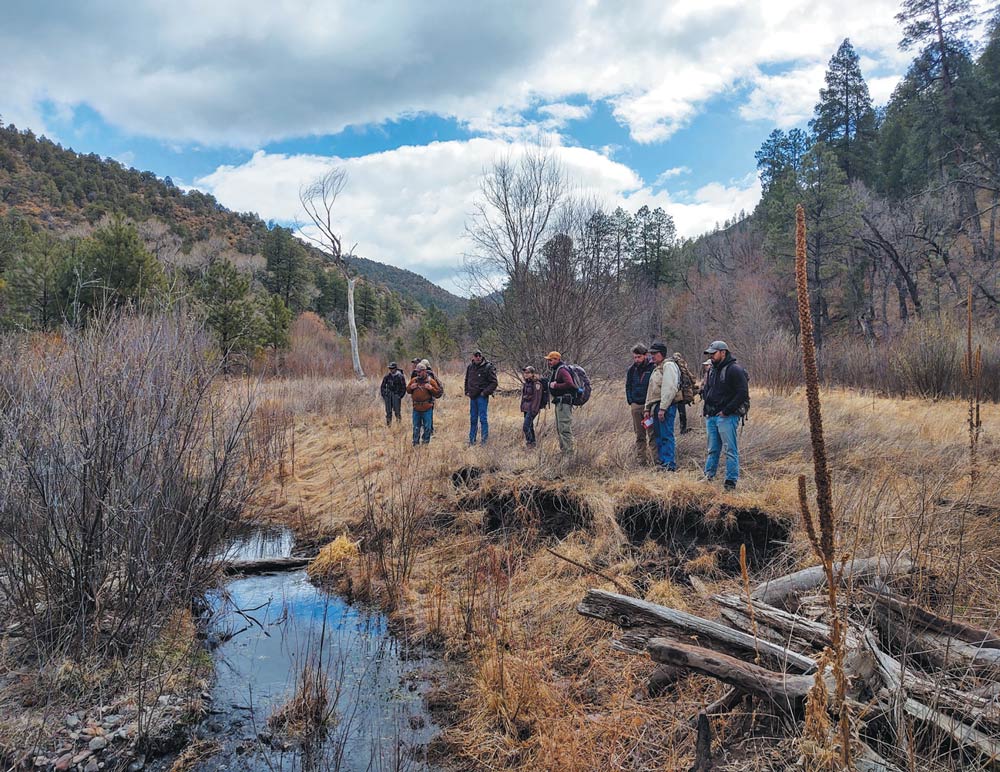
Photo: Dan Taylor
Geospatial Work
- Deploying handheld LiDAR scanners to map the interior structure of Volcán de los Murciélagos, one of Mexico’s most significant bat roosts. We created a 3D model that allows us to analyze structural changes over time to support habitat protection for a critically important roost.
- Conducting LiDAR scans of nine subterranean features at Warm Springs Canyon in Death Valley, California. The 3D modeling and mapping informs habitat suitability assessment and serves as a baseline for future monitoring.
Photo: Dan Taylor
- Supporting acoustic monitoring efforts on Lake Vermilion in northern Minnesota by analyzing spatial habitat variables across the lake. The results helped inform placement of acoustic monitoring devices around the lake to learn about species presence and the impact of recreation on the northern long-eared bat (Myotis septentrionalis), tri-colored bat (Perimyotis subflavus), and other species of concern.
- Utilizing drone-mounted LiDAR systems to create a detailed terrain model of the Black Canyon area within the Gila National Forest in New Mexico to support post-fire habitat documentation and restoration efforts.
- Designing and implementing a robust geodatabase for tracking agave planting and monitoring efforts and supporting BCI’s pollinator-focused conservation initiatives.
- Designing and implementing data collection methods for spring assessment in New Mexico’s Santa Fe National Forest to support water resource protection and habitat management for bats.
Mission Three: High-Priority Research and Scalable Solutions
Wind Program Expands Its International Reach
We launched a Bat Mitigation Working Group for the Convention on the Conservation of Migratory Species’ Energy Task Force, chaired by BCI’s Chief Scientist Winifred Frick, Ph.D. This group held a virtual workshop bringing together experts from every continent where bats live, sharing policies, strengths, and problems related to bat fatalities at wind energy facilities from each region. The workshop advanced the growth of a global network to share strategies for protecting bats as wind energy development expands worldwide.
We advanced the initial stages of multiple research projects to test ways to deter bats from turbines, including bio-acoustic and visual deterrence strategies.
Photo: Sreejith Jayakumar and Rohit Chakravarty, Ph.D.
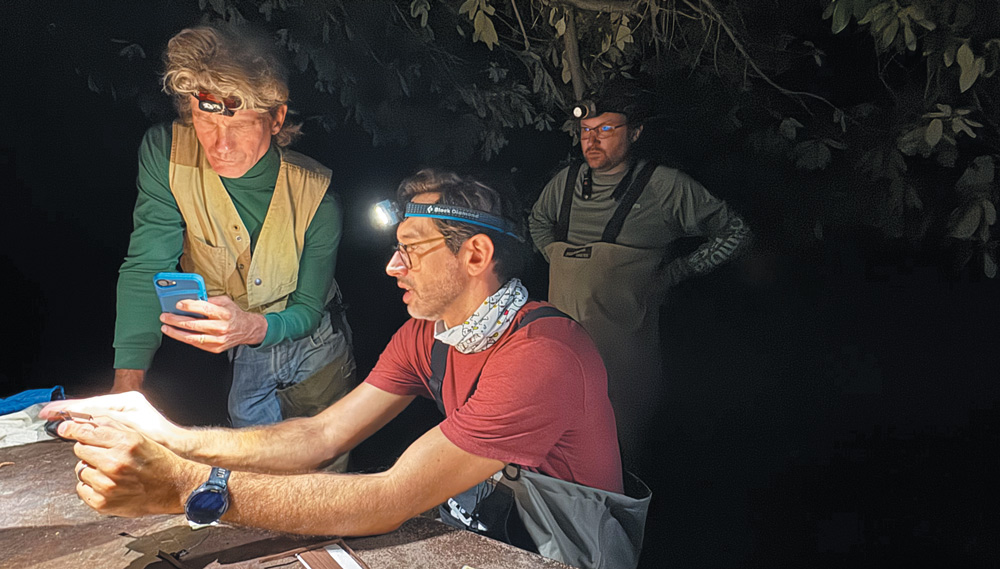
Photo: Winifred Frick, Ph.D.
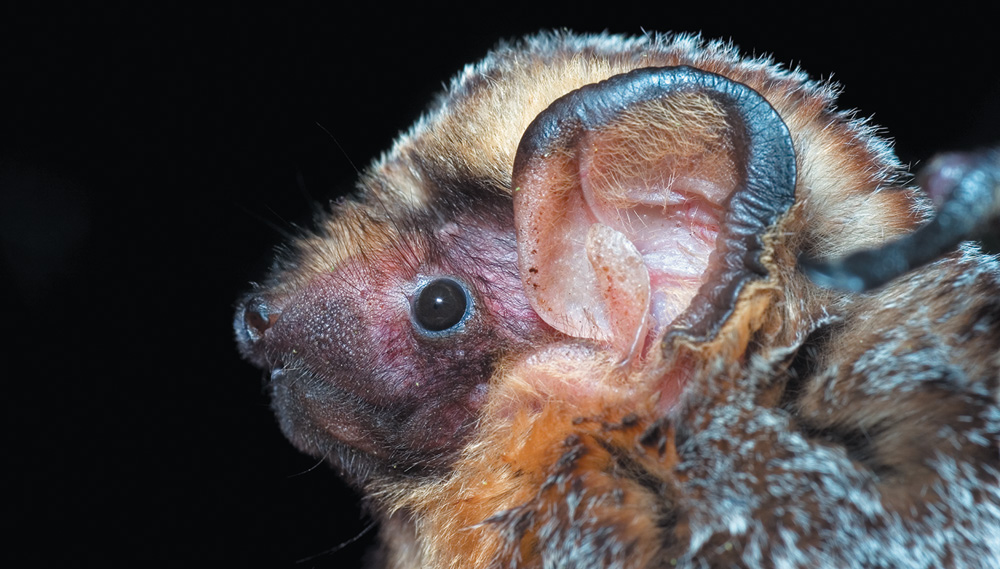
Photo: Michael Durham/Minden Pictures
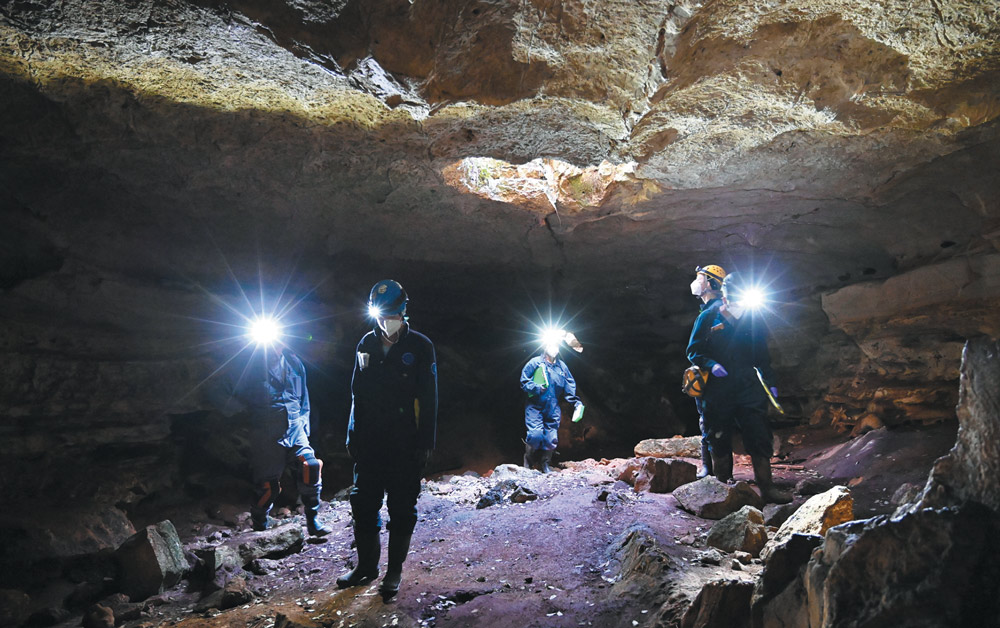
Photo: Rachel Harper
Working to Understand White-Nose Syndrome in the Western U.S.
BCI continues to lead research efforts focused on understanding the ecology and impacts of WNS in Texas bats and movement patterns in cave myotis. Filling in these knowledge gaps is critical in our fight to protect vulnerable bat populations from WNS in the Western U.S.
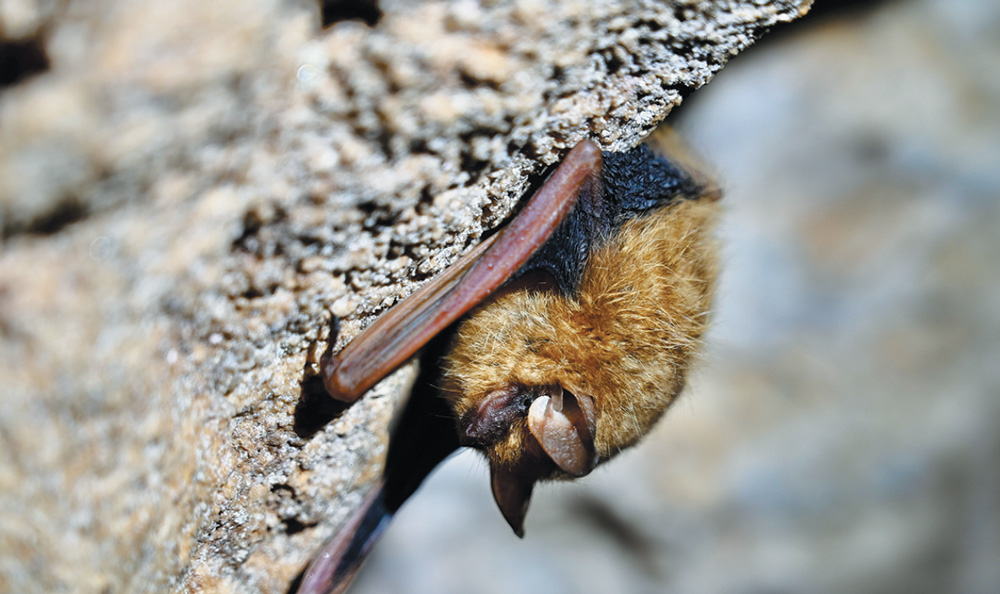
Photo: Rachel Harper
Conservation Planning for WNS Recovery
High-Impact Media Coverage
“A Fungus Decimated American Bats. Now Scientists Are Fighting Back.” Click Here
“Surprising New Research Links Infant Mortality to Crashing Bat Populations” Click Here
Leading Global Bat Research
- Produced 21 scientific publications, including papers in high-impact journals such as Conservation Letters, Global Ecology and Conservation Biology, Ecology, and the Proceedings of the Royal Society.
- Launched 11 new BCI-led scientific research projects.
- Completed 20 BCI-led scientific research projects.
- Continued 41 ongoing BCI-led scientific research projects.
- Hosted or participated in 20+ talks and events with BCI scientists.
Working with the U.S. Military to Monitor Bats
Fat Bat Research in Pennsylvania
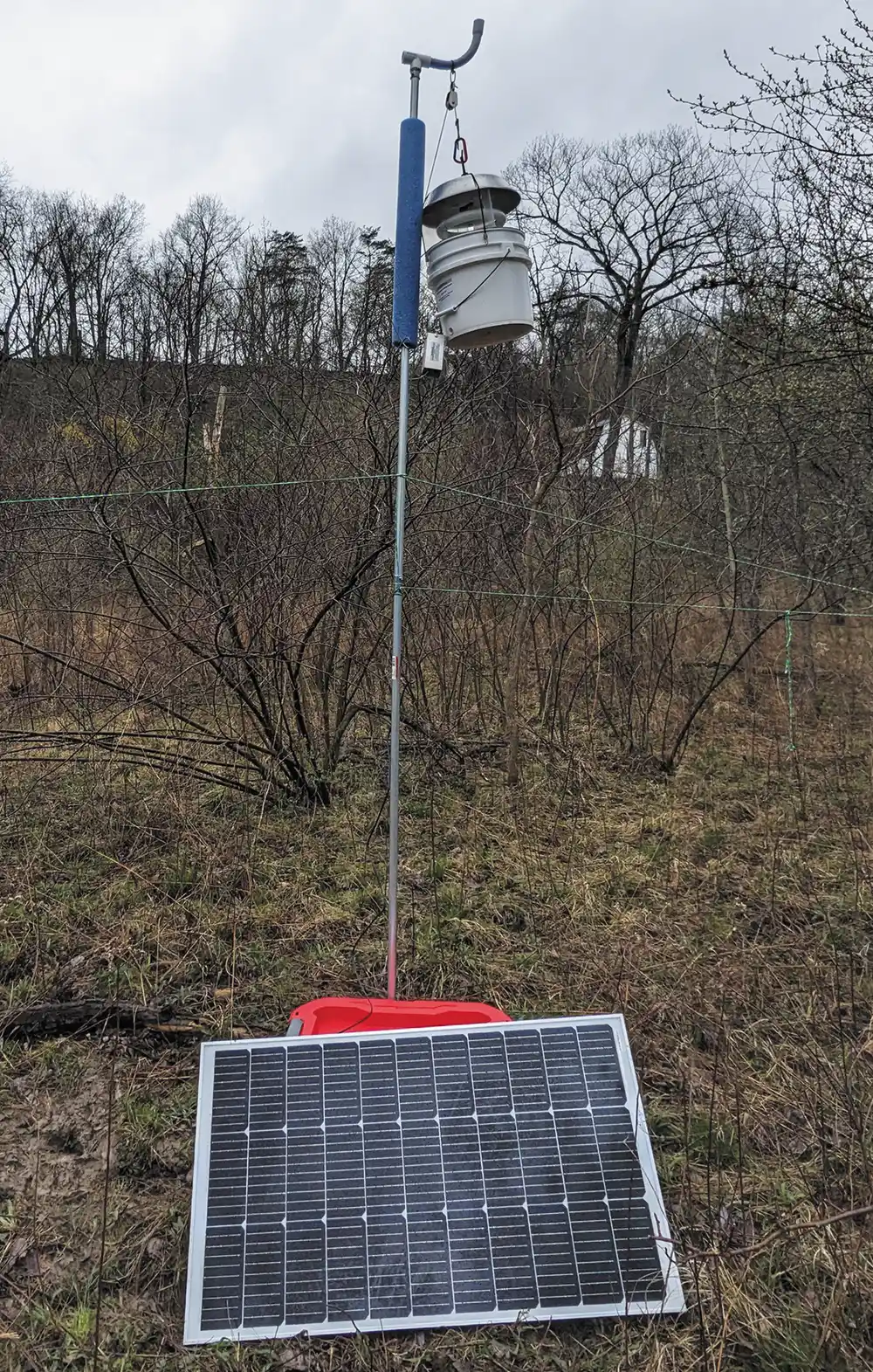
Photo: Brandi Christiano
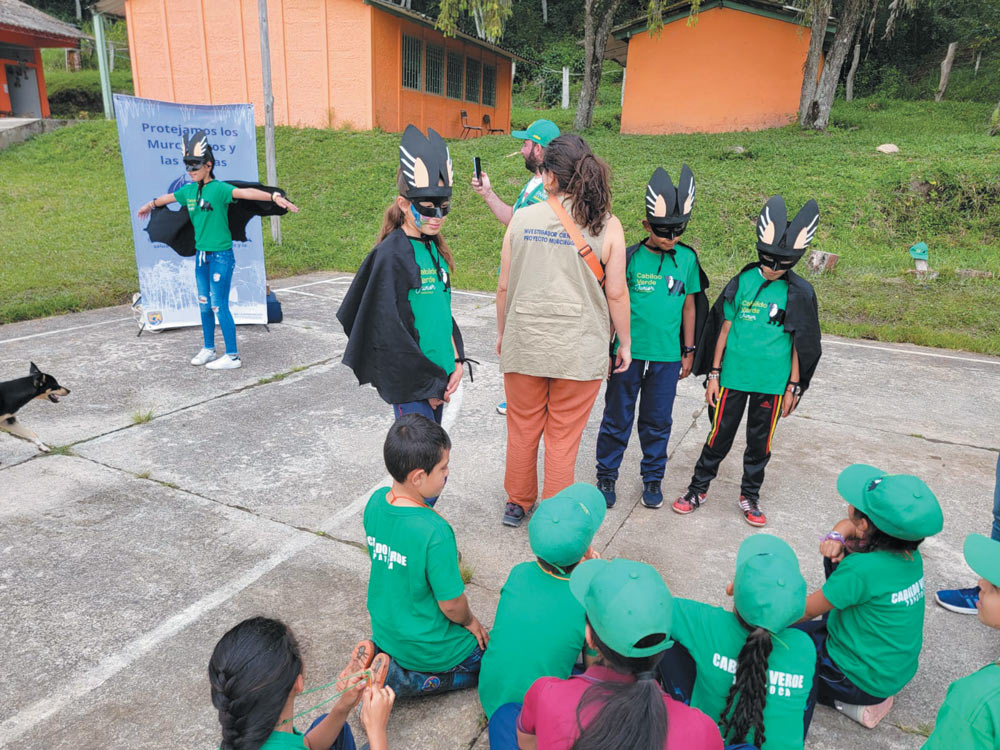
Photo: Daisy Gomez
MENTOR-Bat by the Numbers:
3 mentors
3 countries represented: Cameroon, Colombia, Indonesia
3 Bat Week events
100+ people engaged with Bat Week events
1 TV appearance in Cameroon
MENTOR-Bat Unites Fellows and Mentors
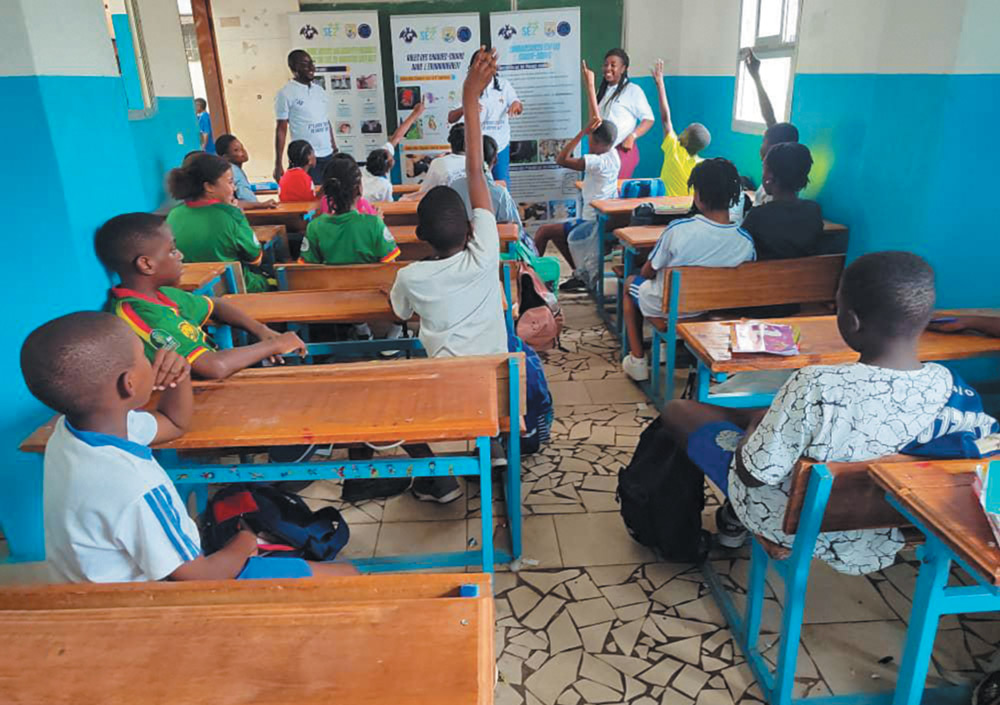
Photo: Patrick Atagana
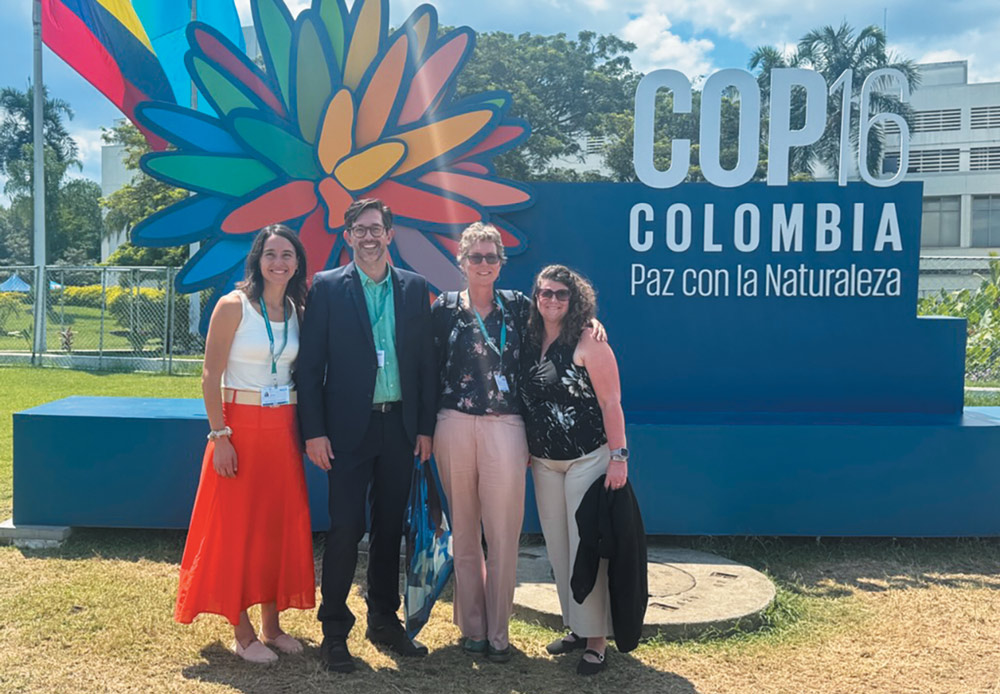
Photo: Luz de Wit, Ph.D.
Leadership on the International Stage at COP16
Student Scholars Program Funds Bat Researchers
To further our Student Scholars’ professional growth and provide opportunities to share research and network, we hosted the second Annual Cohort2Cohort (C2C) Conference, and our first Student Scholar Professional Development Workshop focusing on community engagement.
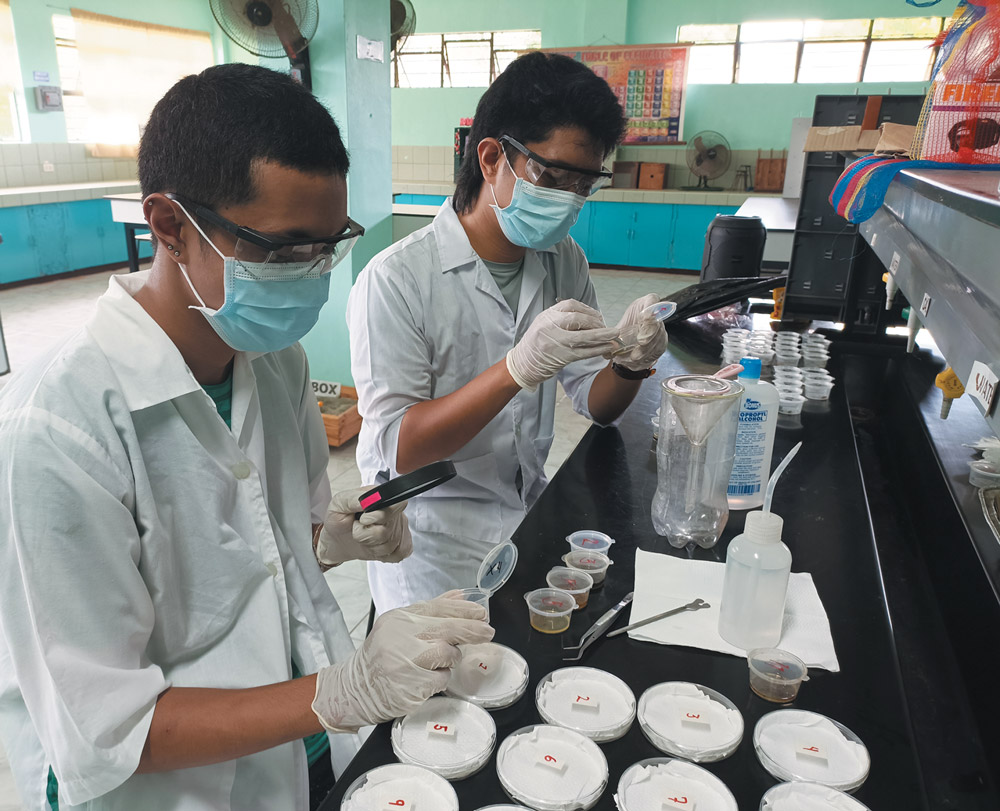
Photo: Paul John Tolentino
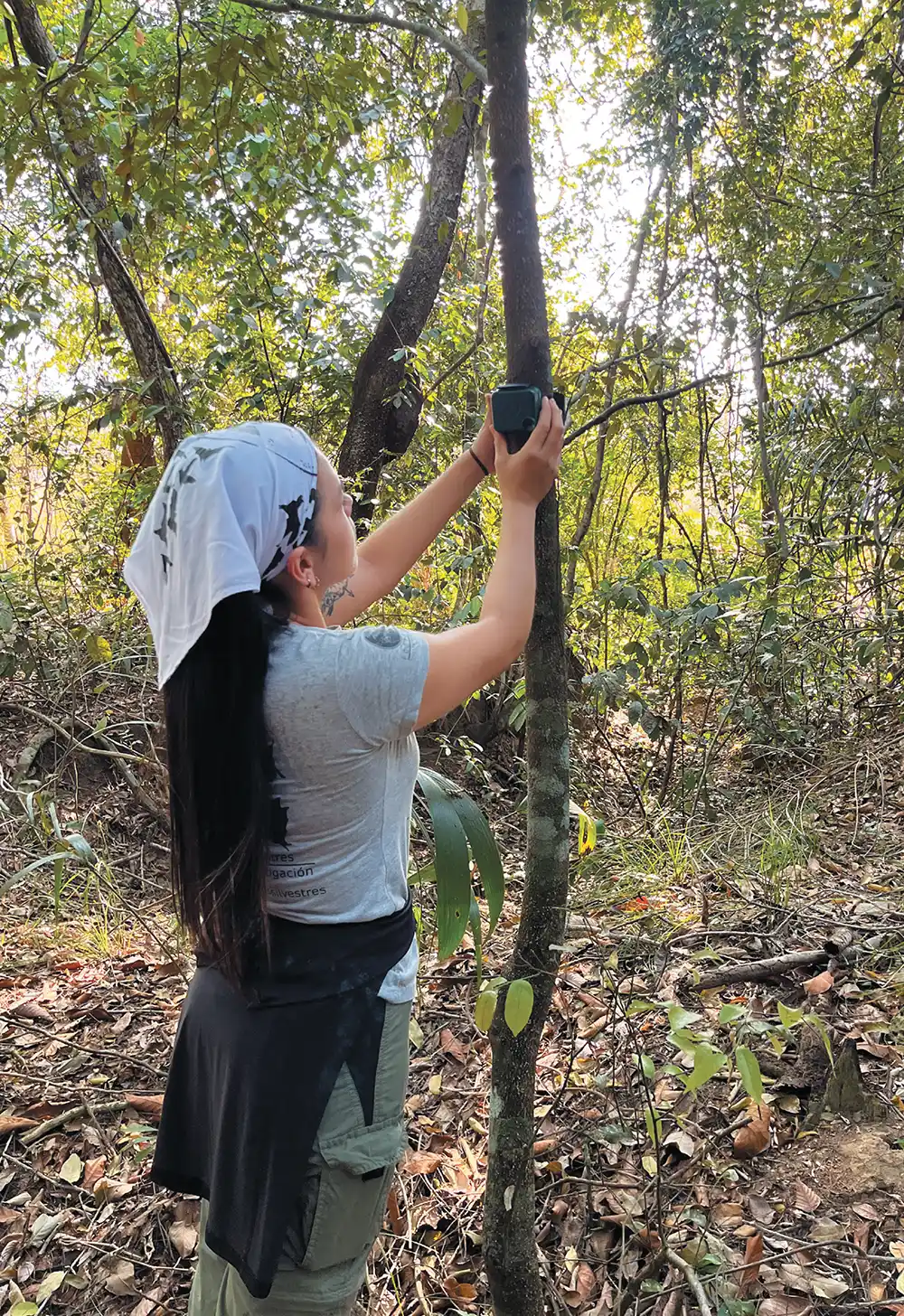
Photo: Luiz Cardoso
2025 Student Scholar Cohort by the Numbers:
14 scholars
10 countries represented
3 new countries added to our scholarship community: Benin, Burkina Faso, and Kosovo
Community Engagement Workshop by the Numbers:
36 attendees
7 countries represented
4 cohorts represented
Student Scholar Cohort2Cohort Conference by the Numbers:
9 cohorts represented
20 countries represented
40 scholars attended
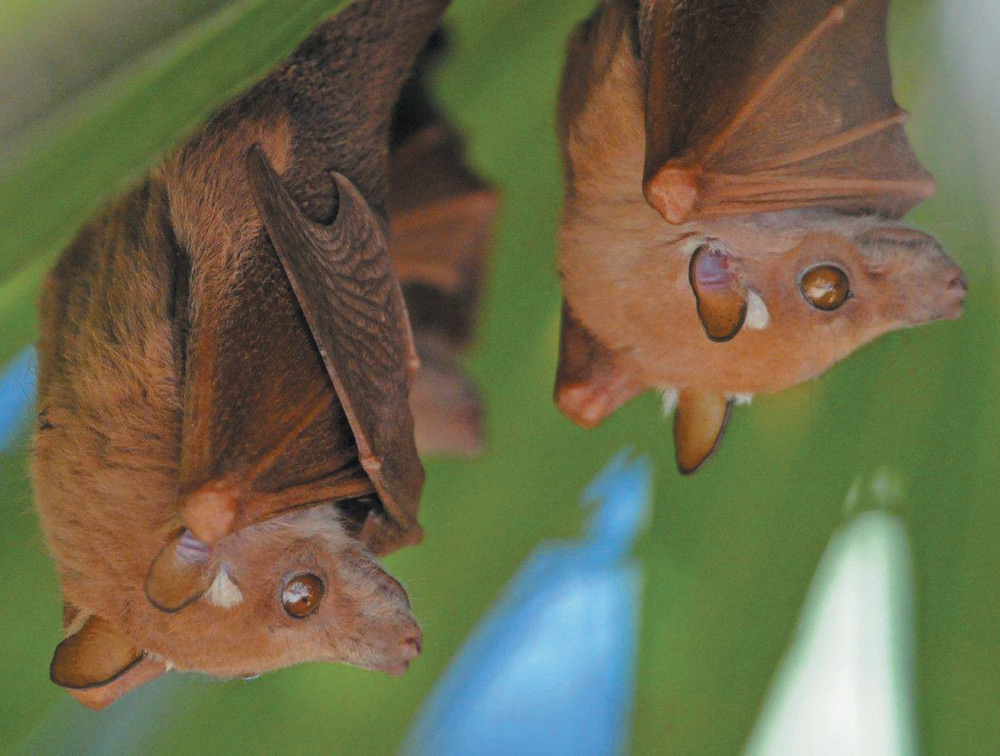
Photo: Dan Logen
Conservation Evidence Program Focuses on Carbon Credits
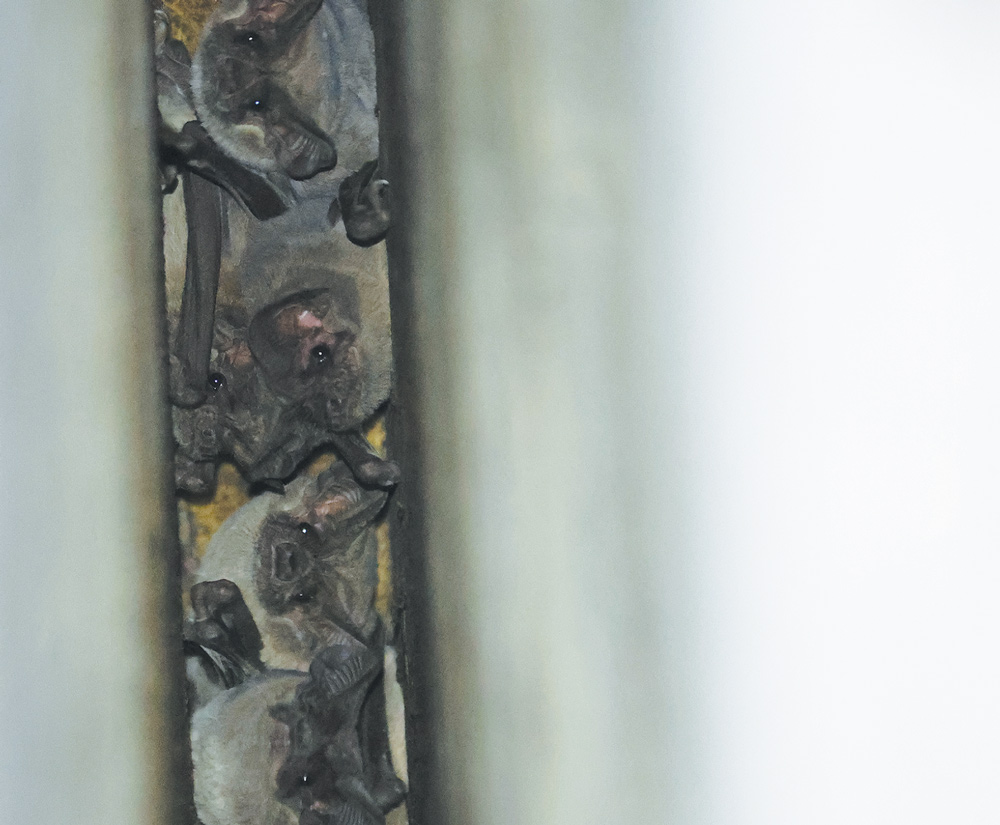
Photo: Rachel Harper
New Tool Predicts Bat Presence Under Bridges
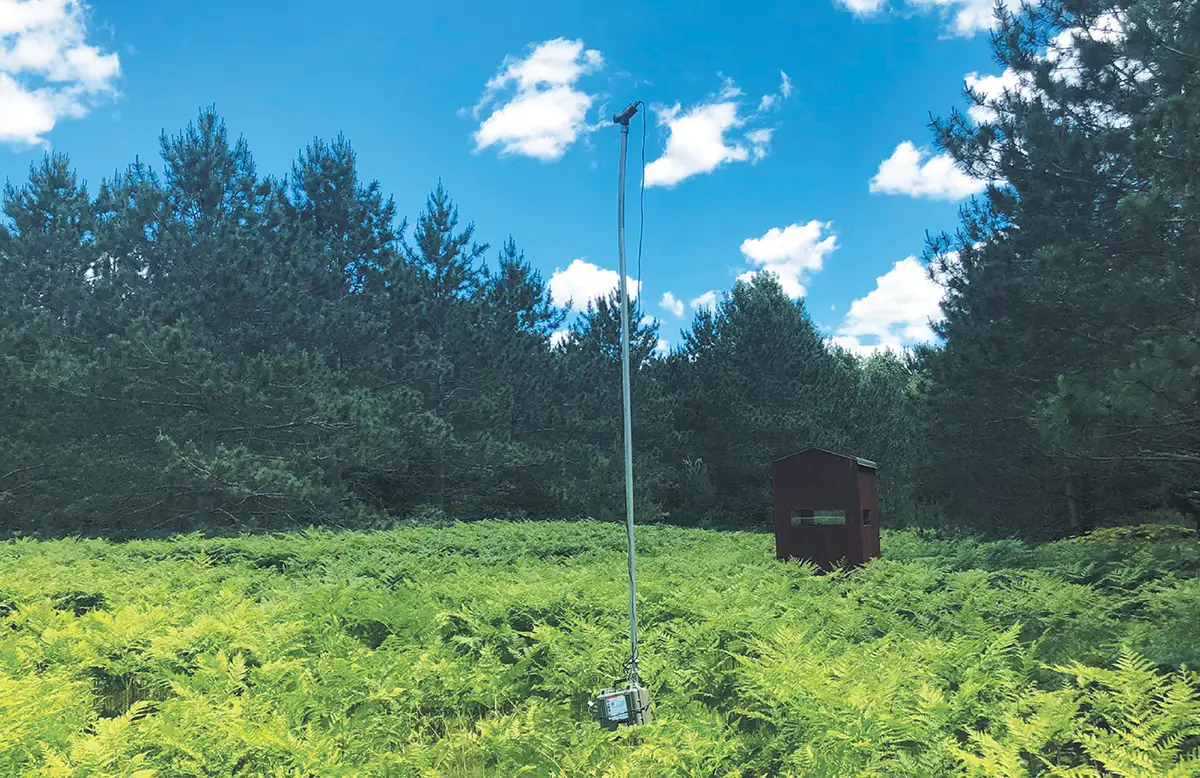
Photo: Crystal Birdsall
North American Bat Monitoring Program (NABat) Celebrates 10 Years
Photo: Crystal Birdsall
BCI’s 10-Year Total NABat Database Contributions:
3,000+ hibernacula counts
6,000+ capture records
Mission Four: Inspiring Through Experience
Educational Partnership with the Lego Group and Discovery Education
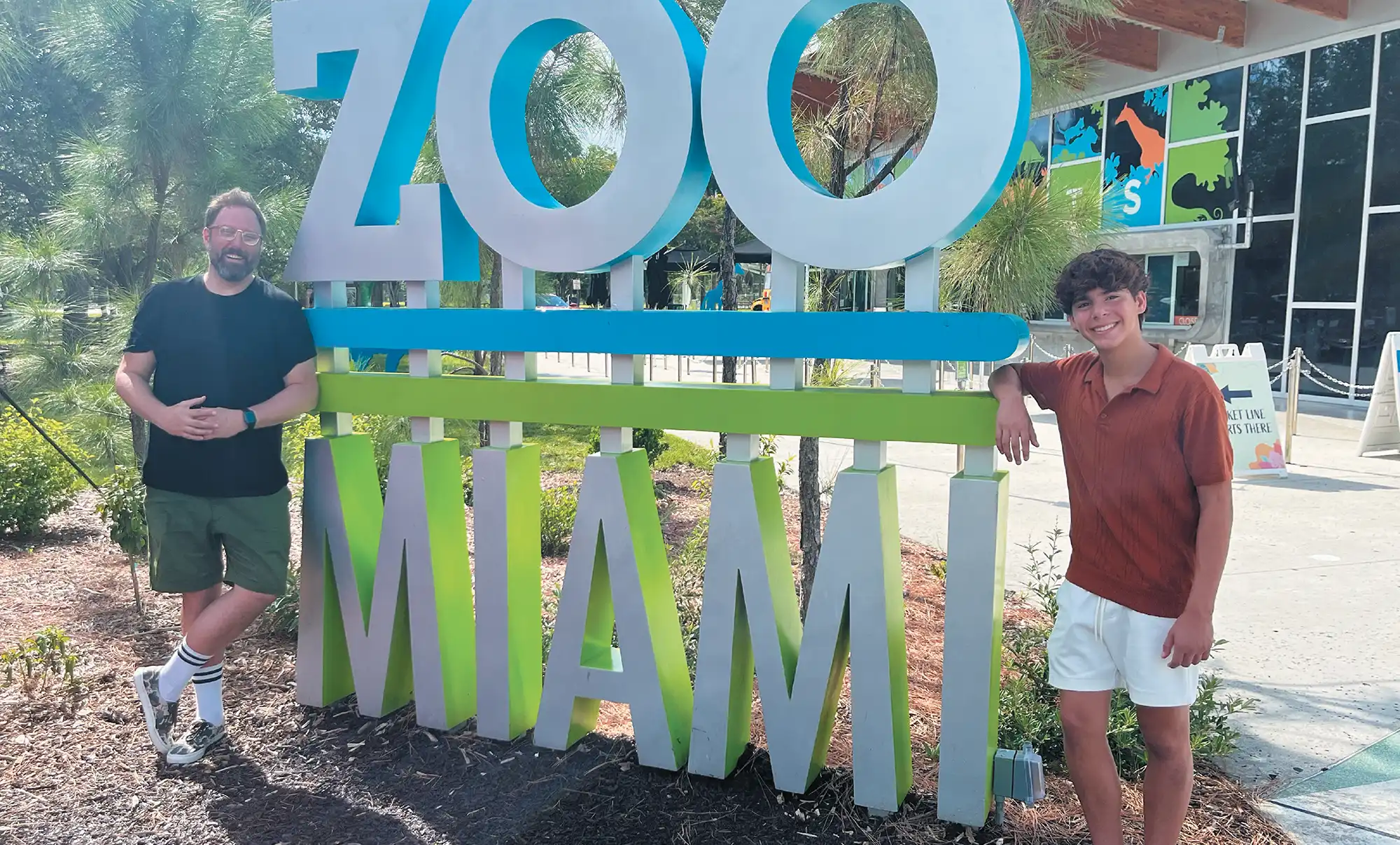
Photo: Mylea Bayless
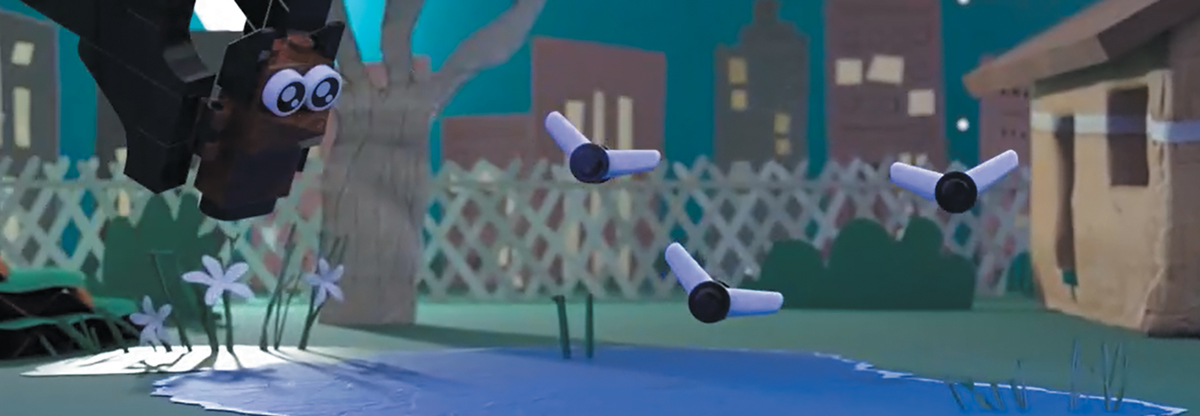
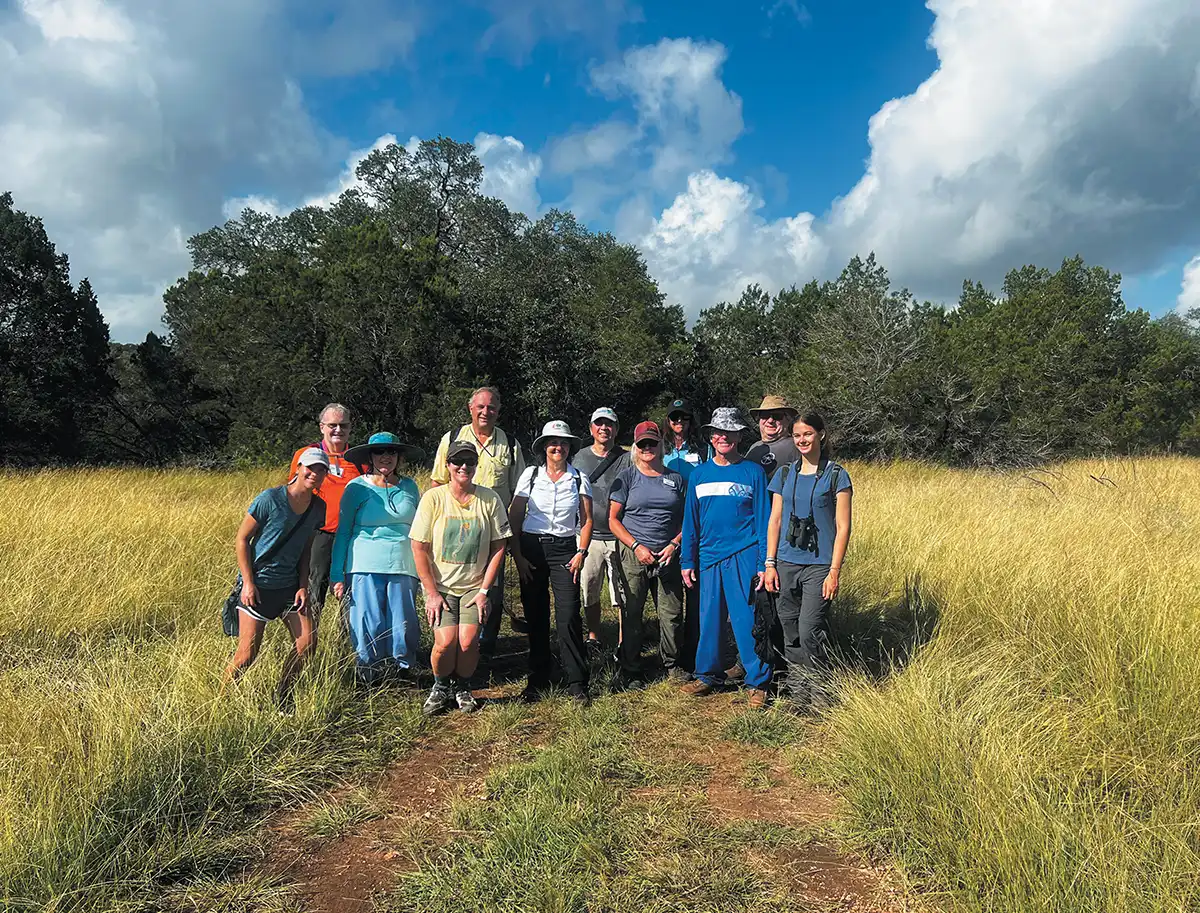
Photo: Lori Largen
Photo: Loveleigh Photos
267 volunteers
3,200+ volunteer hours
65 outreach events, including schools, community groups, fairs, and festivals
65,000+ people reached via outreach events
Record Number of Visitors at Bracken Cave
Bracken’s dedicated volunteers spent hours doing everything from guiding walks and bat flight tours to conducting maintenance, surveying caves, and doing public outreach and community education.

Photo: MGambaRios
Bracken Cave FY25 Highlights:
- A new bird blind was built at Bracken with support from the Wayne Hollomon Price Foundation, H-E-B Foundation, and Scout Troop 828. Many thanks to MV Barnes for the amazing mural.
- The documentary film “Deep in the Heart” shared footage from Bracken Cave and premiered in summer 2024.
- San Antonio, Texas, won iNaturalist’s International 2025 City Nature Challenge bioblitz with more than 135,000 observations, including 3,500+ from Bracken volunteers.
- BCI hosted our first bat flight night conducted fully in Spanish.
- Visitors enjoyed a bat yoga class during a bat flight tour.
Bracken is also a vital living laboratory for research, including:
- DNA analysis of guano samples to learn which insects Bracken’s bats eat each month.
- A study focusing on external and internal parasites on Bracken bats (in partnership with University of Oklahoma Ph.D. student Kristin Dyer).
Gardening for Bats
In FY25, we:
- Expanded our bat garden plant lists to include 13 geographically distinct lists. Read more at batcon.org/batgarden.
- In Austin and San Antonio, we expanded existing bat gardens and established two new ones. More than 50 volunteers participated in work days, planting more than 300 native plants.
- Launched a bat garden native plant seed mix for central Texas, in partnership with Native American Seed. More than 1,000 seed packets were distributed.
- Planted a wildflower meadow of our Bat Garden Seed Mix at the San Antonio Food Bank Farm property.
- Worked with Calscape to create a list of garden plants that are helpful to bats. The California database at calscape.org now includes 768 plants that are beneficial to bats.
- Gave 12 talks in person and virtually on Gardening for Bats, reaching 400+ people in California, Florida, North Carolina, Oklahoma, and Texas.
- Joined more than 50 volunteers to plant 40 trees for bats with TreeFolks and Community First! Village, a development of Mobile Loaves & Fishes in Austin.
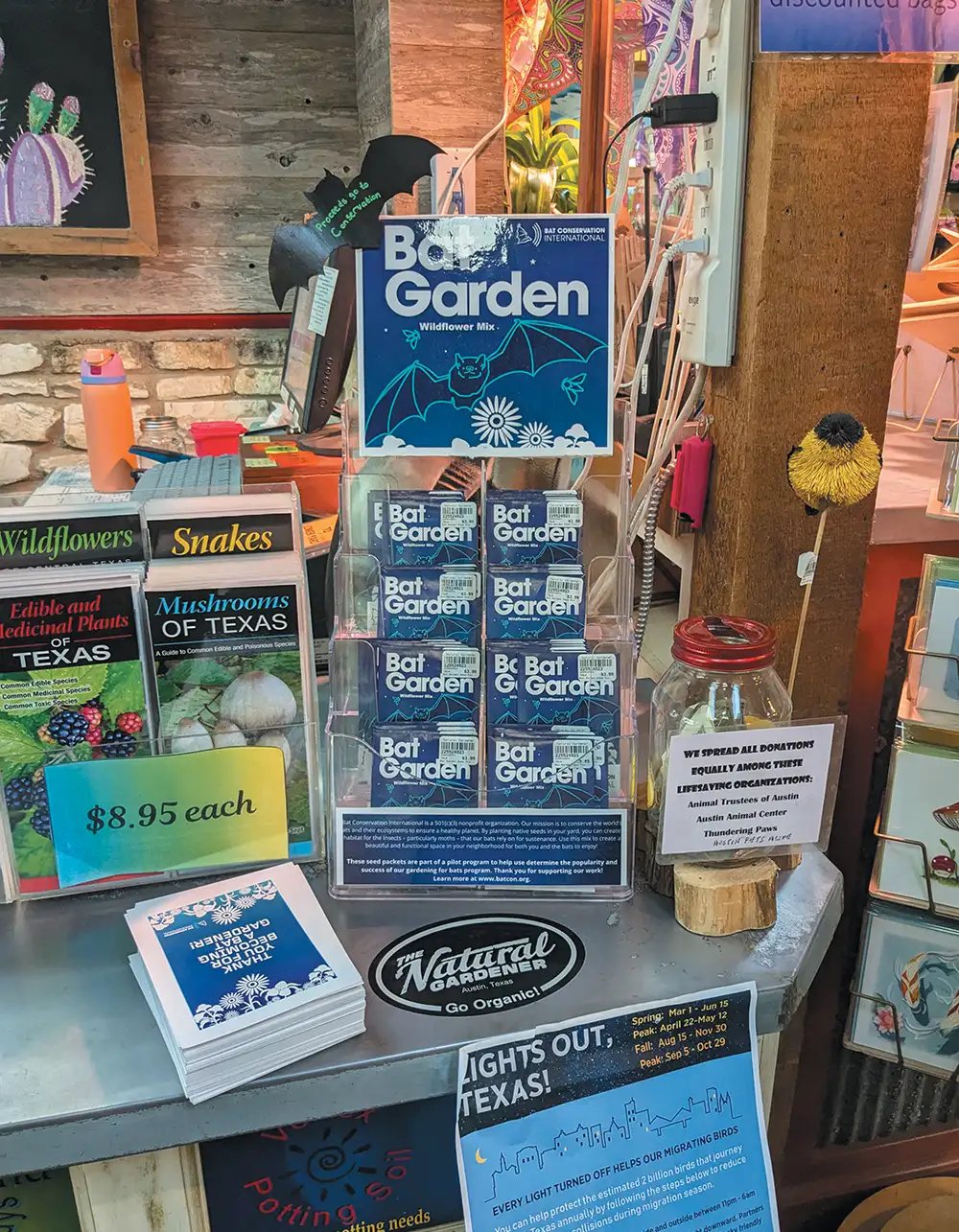
Photo: Erin Cord
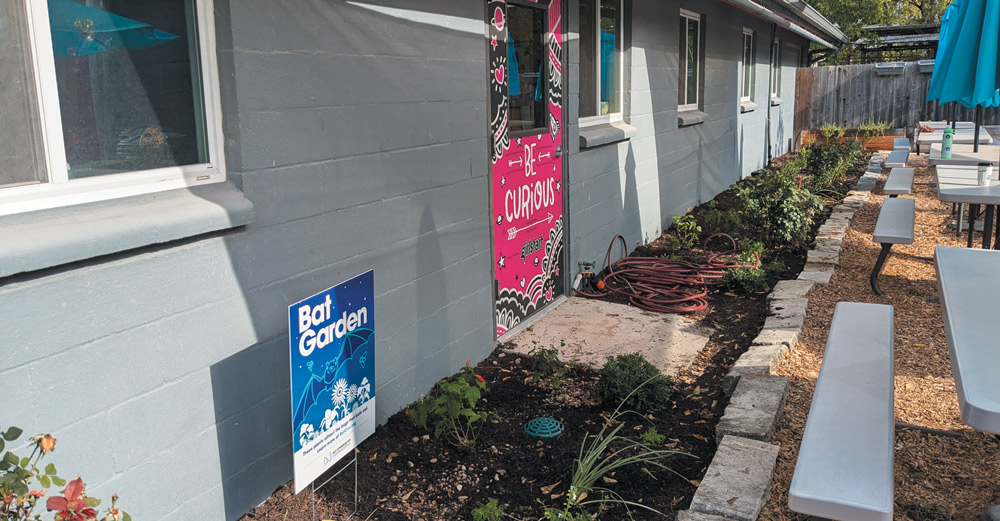
Photo: Erin Cord
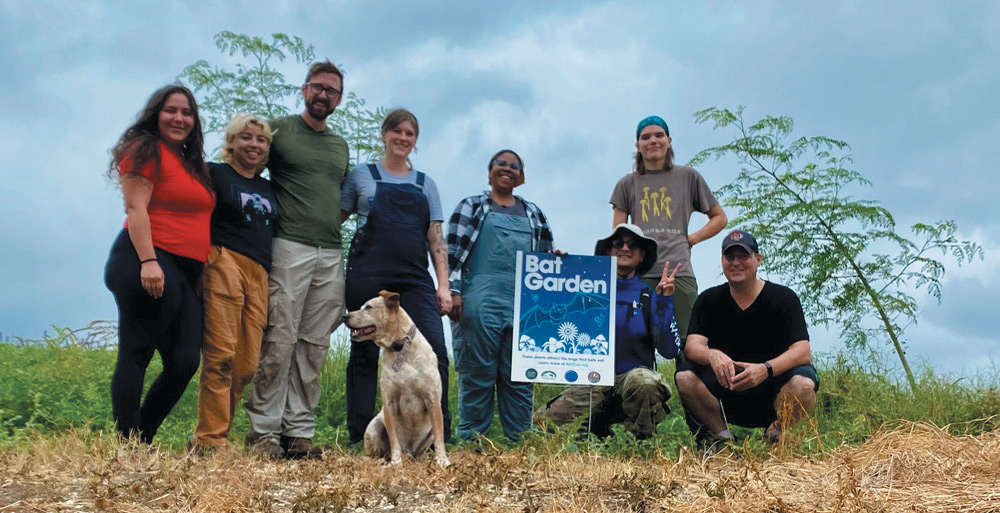
Photo: Cecile Parrish

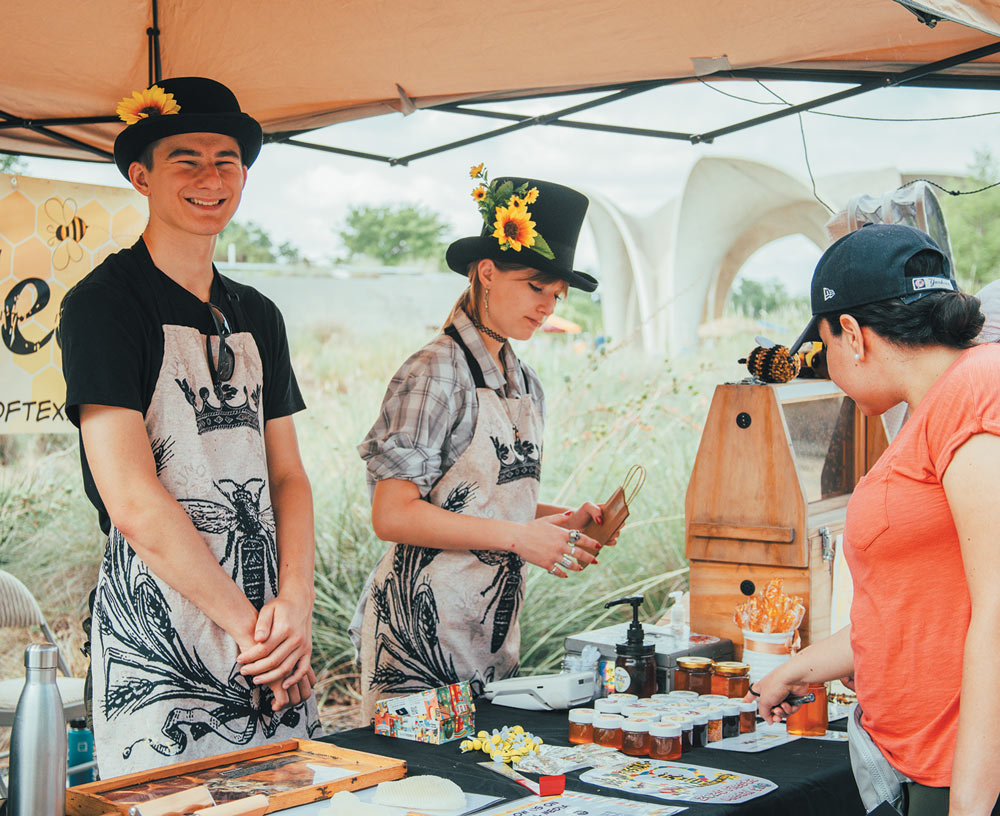
Photo: San Antonio River Foundation
Developing and Launching Bat Education Curricula
- The “Night Navigators: Build for Bats” VFT with The LEGO Group and Discovery Education.
- “Deep in the Heart,” a film-based lesson series narrated by Matthew McConaughey featuring Bracken Cave and Texas bat species. This series includes interactive content, hands-on activities, and real-world connections.
- “Discover Bats” curriculum, which includes 17 Next Generation Science Standards-aligned lesson plans for grades 4–8 in English and Spanish, focused on bat ecology and conservation. This project was funded by IF/THEN, an initiative of Lyda Hill Philanthropies. It was publicly launched at the 2024 Conference for the Advancement of Science Teaching in San Antonio, which was attended by 5,000+ educators.
Community Partnerships
Partnering for Youth and Community Education
- Strengthened our partnership with Girlstart in Austin, including hosting a Bat Cruise, several events, and summer programming, reaching 300+ people.
- Cohosted the Pollinator Tea Party with the San Antonio River Foundation at Confluence Park, with 500+ attendees.
- Created Bat Detector STEM kits in partnership with H-E-B. and Austin Public Library. Kits include bat detectors, a how-to manual, and kids’ books on bats. They are available for checkout at all 20 Austin Public Library branches.
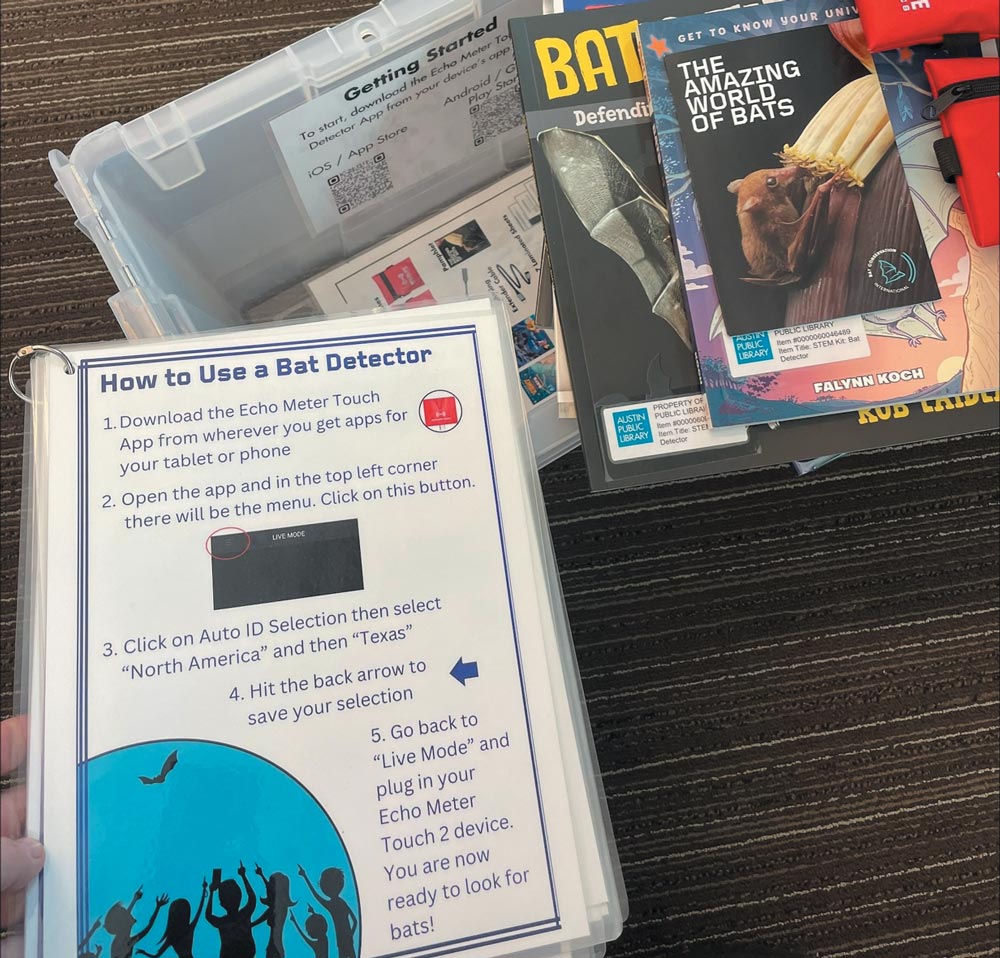
Photo: Jenny Stirrat
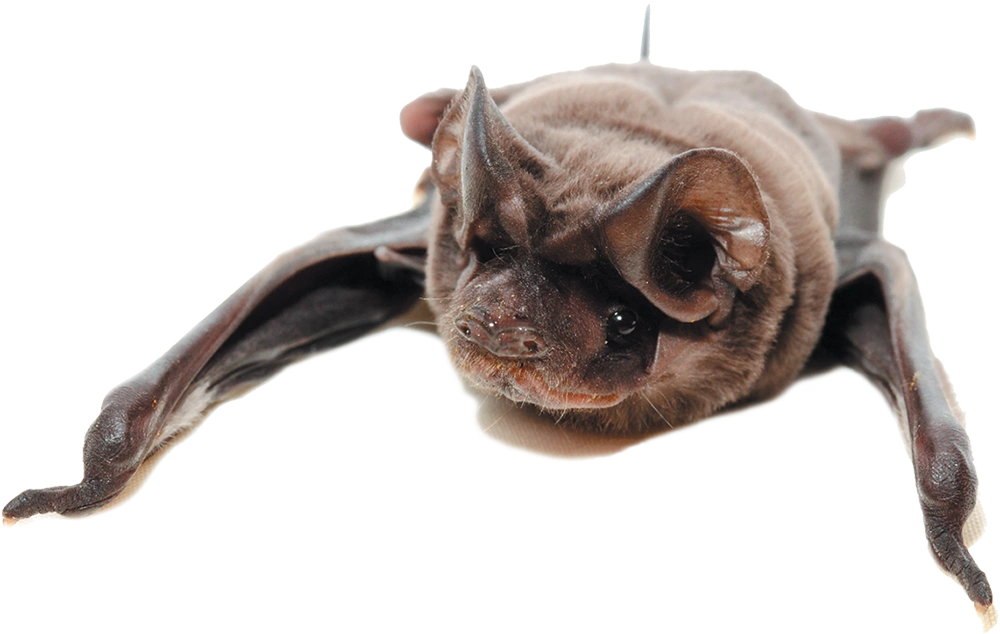
Photo: Dustin Smith
Experience Bats
Social Media Recognition
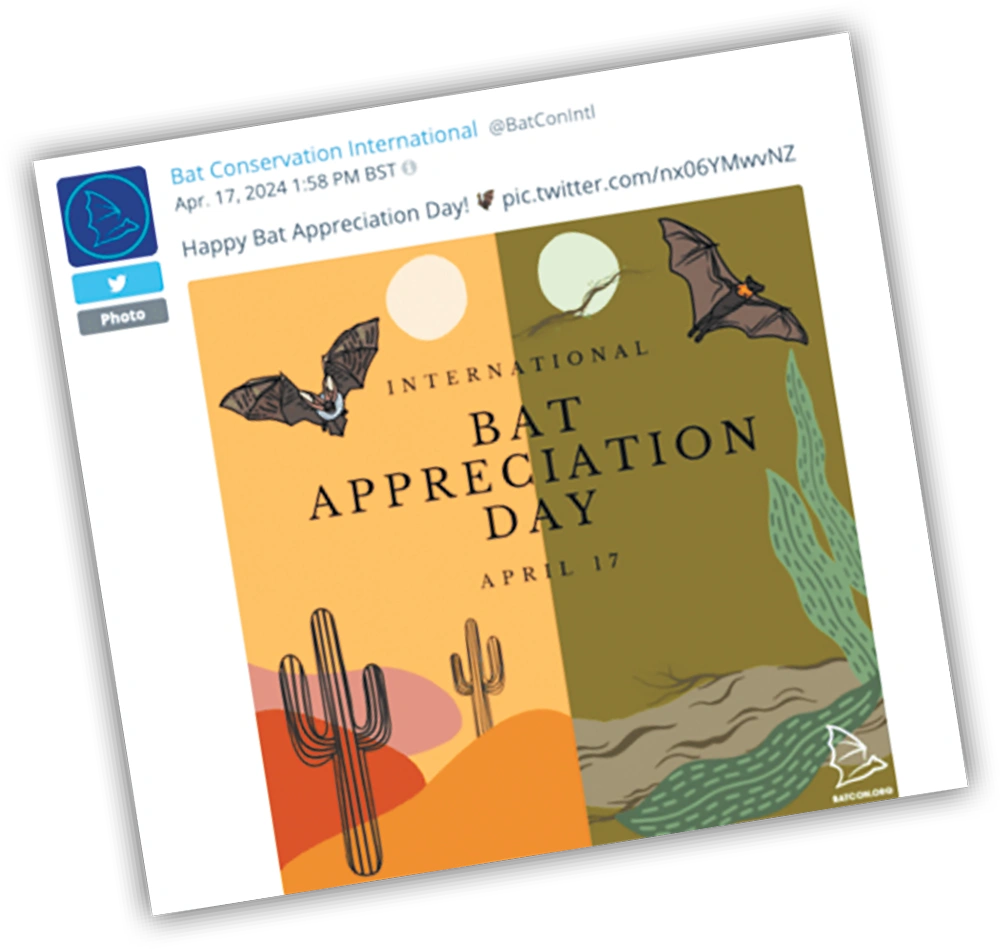
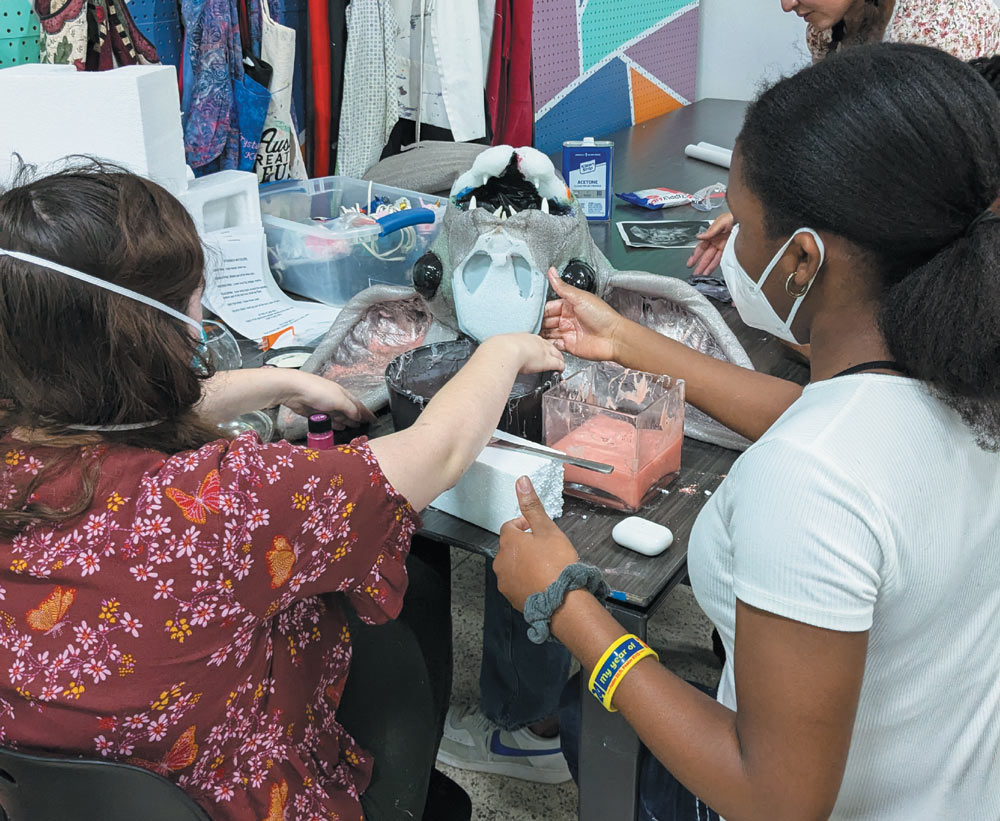
Photo: Erin Cord

Photo: San Antonio River Foundation
Using Art to Educate and Inspire
- Created the Ms. Batreuse (aka Trash Bat) sculpture with Austin Youth River Watch, Austin Creative ReUse, and artist Joan Cabbarus. More than 20 teens worked with the artist to create the sculpture, which is now seen by 62,000+ people per year.
- Artist Audrya Flores created a bat sculpture out of bat-related plants for the Pollinator Tea Party Festival. The sculpture and accompanying educational signage were seen by 24,000+ people.
Training Leaders
- Hosted a summer intern from the University of Texas Home2Texas Program.
- Hosted an Earthshare Green Leaders Fellow.
- Trained 55 new Bat Ambassadors from five states to conduct Bat Walks.
Photo: Erin Cord
Financial Summary
Statement of
Financial Position
Statement of
functional expenses

Statement of Activities
Photo: Steve Gettle/Minden Pictures
Impact Makers
A Legacy of Imagination and Conservation: Edward Gorey
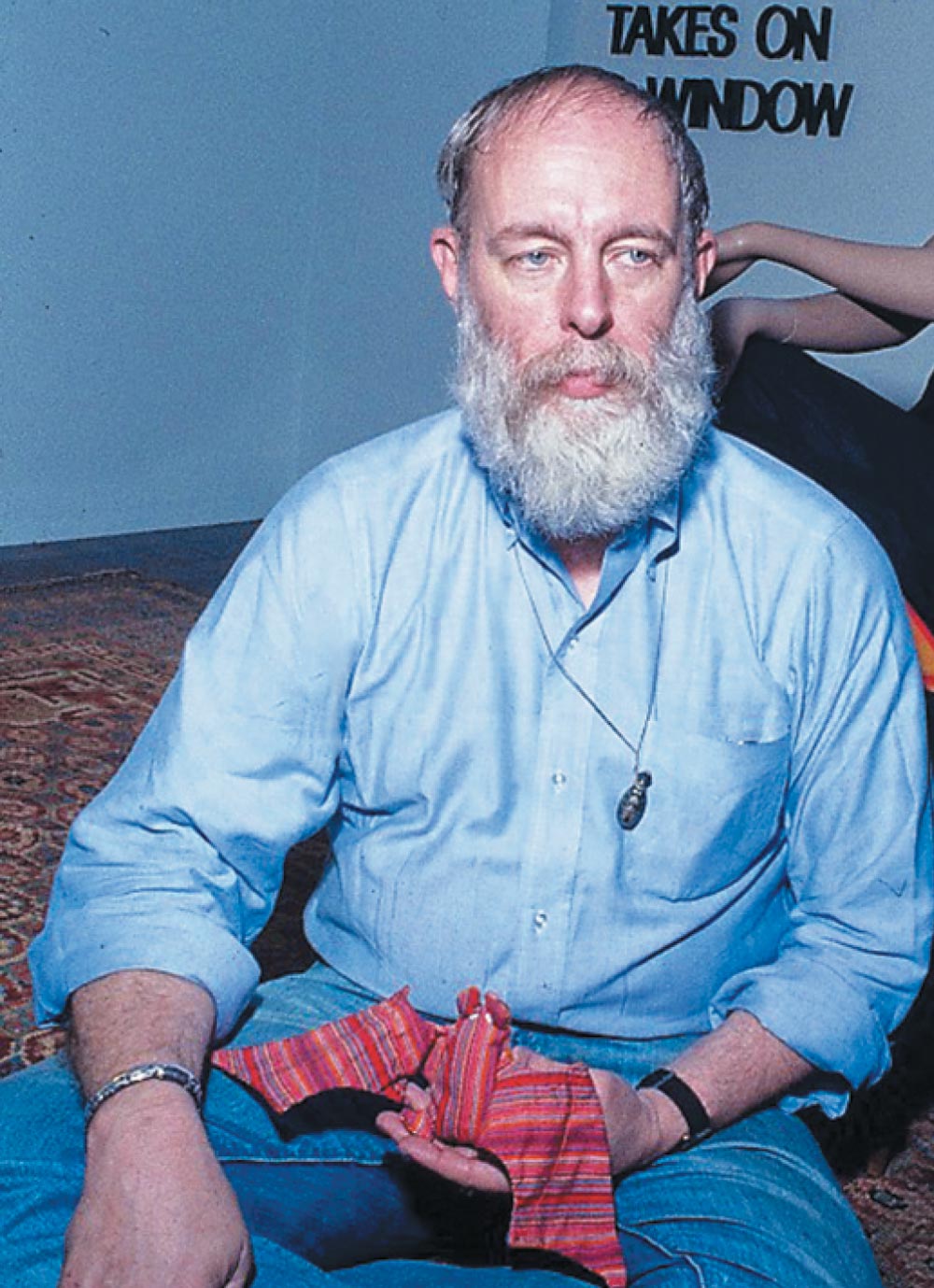
Photo: Bernard Gotfryd, Wikimedia Commons
His affinity for the unusual extended beyond the page. In his lifetime, Gorey held a deep fascination for the natural world and the overlooked creatures that quietly shape it. That passion lives on today through The Edward Gorey Charitable Trust, which has been a steadfast supporter of BCI for over a decade.
Like Gorey’s illustrations, bats invite us to look closer, to see past the surface and discover beauty, complexity, and importance in unexpected places. The Edward Gorey Charitable Trust has enabled critical habitat protection, expanded research programs, and inspired new generations to see bats not as creatures to fear, but as animals of wonder and ecological importance.
The foundation marked the centennial with a year-long “Edward Gorey at 100” celebration. Exhibitions, events, and publications paid tribute to Gorey’s remarkable body of work and his enduring cultural influence.
“Mr. Gorey’s support for the overlooked and underappreciated is evident through his work and his will,” says Raquel Serebrenik, Consultant to The Edward Gorey Charitable Trust. “His art sparked curiosity for the unusual among audiences worldwide, while his heart was drawn to creatures like bats—mysterious, essential, and too often misunderstood. His legacy lives on in the wonder they inspire and in the conservation efforts that protect them.”
For BCI, this partnership represents more than financial support. It reflects a kinship of values—an appreciation for the mysterious beauty of life, the importance of protecting that which others may overlook, and the conviction that creativity and conservation can spark lasting change. Every roost protected, every species safeguarded, and every new advocate for bats carries forward Gorey’s spirit of wonder.
Gorey’s centennial reminds us that creativity and conservation are not separate pursuits, but part of the same call to pay attention, care deeply, and act. BCI is proud to be part of his enduring legacy.
Partnering with Zoo Miami to Save the Rarest Bat in the U.S.
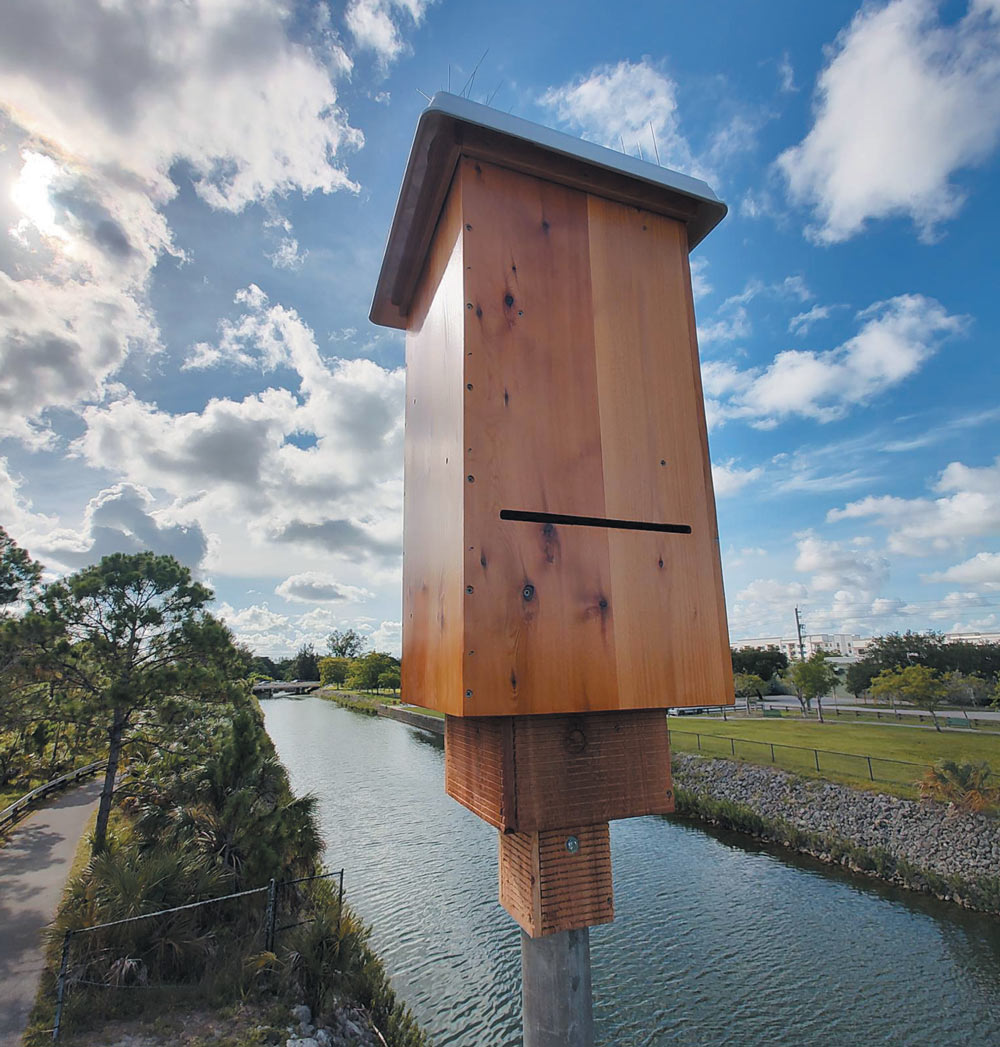
Photo: Miami Bat Lab
In FY25, we conducted the first GPS study of Florida bonneted bats in an urban environment, tagging more than 40 individual bats to learn about their movement patterns, including flight corridors and feeding locations. This information is critical to continue working on our conservation strategy for the species in Miami-Dade County and other urban settings.
However, our partnership to save the rarest bat in the U.S. began years earlier. In 2019, BCI partnered with Zoo Miami to establish the Miami Bat Lab, which focuses on Florida bonneted bat research. The lab’s acoustic monitoring program across Miami-Dade County has recorded more than 15 million bat calls, showing how the bats utilize urban landscapes.
Since they have a 20-inch wingspan, Florida bonneted bats have specialized roosting requirements—including elevated roosting locations—which can be difficult for them to find in an urban area. The Bat Lab set out to develop and install custom artificial roosts (“bat houses”) in strategic locations across Zoo Miami and around the metro area. In a few short years, over 200 Florida bonneted bats are now using the new structures, which created the largest known population of the species in the world.
This year, we also expanded our artificial roost program, adding 10 additional roots and replacing deteriorated roosts (originally installed in 2018) with a new and improved design.
However, developers sought to transform an area of county land near the zoo into a water park, and concerned residents spoke out to save the vital habitat for the Florida bonneted bat and other species. In March 2024, the U.S. Fish and Wildlife Service (USFWS) designated critical habitat for the Florida bonneted bat, including the foraging area near Zoo Miami. Ultimately, plans for the water park were cancelled, but the species still requires vocal conservationists to save it. In 2025, Zoo Miami and BCI were honored alongside several other conservation organizations by the USFWS as Recovery Champions.
Threats like habitat loss, light pollution, hurricanes, and climate-driven change still demand urgent action. That is why the Miami Bat Lab will expand monitoring, continue refining artificial roost designs, and work with land managers and neighbors to keep vital habitat dark and open to save these incredible bats.
Photo: Loveleigh Photos
Support
-
Foundation
2004 Carita Foundation Inc.
- Anderson-Rogers Foundation
- The Arthur L. and Elaine V. Johnson Foundation
- The Ashland Foundation
- BAND Foundation
- Barrett Family Foundation
- The Batchelor Foundation
- The Berglund Family Foundation
- The Brown Foundation, Inc.
- Burt Family Foundation
- Carroll Petrie Foundation
- The Carter Chapman Shreve Family Foundation
- Charles E. Bartberger and Gretchen M. Platt Family Foundation
- The Darrell & Patricia Steagall Family Foundation
- Edward Gorey Charitable Trust
- The Environmental Fund of Texas
- The Frank Cross Foundation
- Gendler Teich Family Charitable Fund
- Head and Heart Foundation
- The Hulebak-Rodricks Foundation
- Humboldt Area Foundation + Wild Rivers Community Foundation
- James Lee Sorenson Family Foundation
- Judd Foundation
- Kathryn Davis Grado Foundation
- The Lawrence and Sylvia Wong Foundation, Inc.
- Leo Model Foundation Inc
- The Nancy Wood Moorman Foundation
- National Fish and Wildlife Foundation
- The Negaunee Foundation
- Nycticorax nycticorax Fund
- The Oristaglio Family Foundation
- The Pattee Foundation Inc.
- Penn Family Charitable Fund
- PeopleForBikes Foundation
- Read Foundation
- RLH Foundation
- Robert McLean Foundation Trust
- The Shared Earth Foundation
- Singing Field Foundation
- The Thomas C. and Mary Ann Hays Family Charitable Trust
- The Tim and Karen Hixon Foundation
- Truckee Meadows Parks Foundation
- Walter C. Emery Family Foundation
- Western Colorado Community Foundation
- The White Pine Fund
- William Howard Flowers, Jr. Foundation, Inc.
- Wold Foundation
- Xavier Cortada Foundation
-
Corporate
Ameren Corporation
- The Bank of America Charitable Foundation
- Carlton Fields
- DeTect, Inc.
- Discovery Education
- DocuSign
- Freeport-McMoRan
- Google Matching Gifts Program
- H-E-B
- The LEGO Group
- Native American Seed
- Natural Bridge Caverns
- New Leaf Climate Partners
- Noise Engineering
- PayPal
- Raise Design
- Saildrone
- The Standard
- Stantec
- Texas Haunters Group LLC
-
Government & Organization
A Rocha
- Abilene Zoological Society
- ABQ Backyard Refuge Program
- African Parks
- Akron Zoological Park
- Alliance for America’s Fish and Wildlife
- Alterd Alternativas para el Desarrollo, A.C.
- American Association of Zoo Keepers Roger Williams Park Zoo Chapter
- Amigos de la Sierra, A.C.
- Anacostia Watershed Society
- Angaza Vijiji
- Angelo State University
- Arivaca Pollinator Pathway Project
- Arizona Game and Fish Department
- Arizona Land and Water Trust
- Arizona Master Naturalists
- Aromas y Flores del Desierto
- Asesores en Planeación de Sistemas Socioambientales, S.C.
- Asociación de Mujeres del Bacanora y Maguey de México
- Association of Fish and Wildlife Agencies
- Austin Creative Reuse
- Austin Public Library
- Austin Youth River Watch
- Bacanora Siete Coronados
- Bats and Wind Energy Cooperative
- Bats Northwest
- Battus
- Bernalillo County Master Naturalists
- Bioconciencia, A.C.
- The Biodiversity Consultancy
- Biodiversity Research Institute
- Bird Conservancy of the Rockies
- BirdLife International
- Bisbee Bloomers
- Blooming with Birdie
- Boise State University
- Bonnet House
- Borderlands Restoration Network
- Broward County Parks and Recreation
- California Department of Conservation
- California Department of Fish and Wildlife
- California Marine Sanctuary Foundation
- California Native Plant Society
- Center for Biological Diversity
- Centro de Colaboración para la Ciencia y Cultura
- Centro Nacional de Pesquisa e Conservação de Cavernas
- Chelenzo Farms
- Chihuahuan Desert Research Institute
- CIIDIR Unidad Durango, Instituto Politécnico Nacional
- City of Alpine, Texas
- City of Bisbee, Arizona
- Colectivo Caminantes del Desierto, A.C.
- Colorado Division of Reclamation, Mining, and Safety Inactive Mines Reclamation Program
- Colorado State University
- Comisión Estatal de Biodiversidad Hidalgo
- Comisión Estatal de Biodiversidad Morelos
- Comisión Nacional de Áreas Naturales Protegidas
- Comisión Nacional de Áreas Naturales Protegidas, Región Centro y Eje Neovolcánico
- Comisión Nacional de Áreas Naturales Protegidas, Región Noreste
- Comunidad Santo Domingo Ocotitlán
- Conference on Wind and Wildlife Science Advisory Committee
- Consejo Sonorense Regulador del Bacanora
- Conservation Evidence
- Conservation Metrics, Inc
- Consultoría, Asesoría y Manejo Estratégico, S.C.
- Convention of Migratory Species Energy Task Force
- Corporación Autónoma Regional de las Cuencas de los Ríos Negro y Nare
- Cuántico – Global Eco Services
- Cuenca Los Ojos
- Dahari
- Dallas Zoological Society
- Detroit Zoological Society
- Deutsche Gesellschaft für Internationale Zusammenarbeit
- Don Edwards San Francisco Bay NWF
- Doña Ana Village Association
- Douglas-Hart Nature Center
- EarthShare
- EarthShare of Texas
- Eastern Nevada Landscape Coalition
- Ecosystem Restoration Alliance
- Ejido 20 de Noviembre, Coahuila
- Ejido Coyotillos, Zacatecas
- Ejido Cuatro Milpas, Zacatecas
- Ejido El Potrero de Zamora, Nuevo León
- Ejido El Saucillo, Nuevo León
- Ejido Estanque de Norias, Coahuila
- Ejido Guadalupe Victoria, Coahuila
- Ejido Huertecillas, Zacatecas
- Ejido La Encantada, Nuevo León
- Ejido La Reforma, Coahuila
- Ejido Las Huertas, Zacatecas
- Ejido Los Encinos, Zacatecas
- Ejido Salto de Guass, Zacatecas
- Ejido San Joaquin de Soto, Nuevo León
- Ejido Santa Teresa, Zacatecas
- Ejido Tanque de Emergencia, Coahuila
- Ejido Tanque de López, Zacatecas
- Ejido Tepetate, Zacatecas
- Ejido Vanegas de Juárez, Zacatecas
- Ejido Zaragoza, Zacatecas
- El Paso Native Plant Society
- El Paso Zoo
- Electric Power Research Institute
- Endangered Species Coalition
- Environment and Climate Change Canada
- Environmentally Endangered Lands Program – Miami Dade County
- EspacioNaturalArq
- Especies, Sociedad y Hábitat, A.C.
- Expanded Learning Consultants
- Fairchild Tropical Botanic Garden
- Fiesta Youth
- Florida Bat Working Group
- Florida Fish & Wildlife Conservation Commission
- Fondo Agavero
- Gila Native Plant Society
- Gila Watershed Partnership
- Girlstart
- Global Rewilding Alliance
- Global Union of Bat Diversity Networks
- Green Spaces Alliance
- Guinée Écologie
- Henry Villas Zoo
- High Desert Native Plants
- Hill Country Conservancy
- Hogan Lovells
- I Am A Scientist
- The Institute of Jamaica
- Instituto de Ecología-Universidad Nacional Autónoma de México
- International Union for Conservation of Nature
- Jacksonville Zoological Society
- The Jamaican Caves Organization
- James Bonham Academy
- Kansas Department of Wildlife and Parks
- Kartchner Caverns State Park
- Karuk Tribe
- Kenya Forest Services
- Kenya Wildlife Services
- Kocurek Elementary School
- Laboratório de Ciência em Biodiversidade
- Lady Bird Johnson Wildflower Center
- Laguna de Sánchez, Nuevo León
- Las Cruces Native Plant Society
- Las Milpitas Community Farm
- Latino Outdoors
- The LEAF Charity
- Lick Creek State Park
- Lion Country Safari
- Los Angeles County Natural History Museum
- Lubee Bat Conservancy
- Maasai Mara University
- Malpai Borderlands Group
- Max Planck Institute of Animal Behavior
- Miami Blue Chapter of the North American Butterfly Association
- Miami Pine Rocklands Coalition
- Midpeninsula Regional Open Space District
- Milwaukee County Zoo
- Missouri State University
- Mitchell Lake Audubon
- Mobile Loaves & Fishes
- Nakanacagi Village
- National Environment and Planning Agency, Jamaica
- National Park Service
- National Parks Conservation Association
- National Renewable Energy Laboratory
- The National Trust of Fiji
- National Wildlife Federation
- Native Plant Society of New Mexico
- The Natural Gardener
- The Natural History Museum of Jamaica
- Naturalia, A.C.
- Nature Based Solutions Sdn. Bhd
- The Nature Conservancy of Texas
- Nature Conservation Foundation
- NatureFiji-MareqetiViti
- Nevada Department of Wildlife
- Nevada State Parks
- New Mexico Bureau of Land Management
- New Mexico Energy, Minerals, and Natural Resources Department
- New Mexico Department of Game and Fish
- New Mexico State University
- North American Bat Conservation Alliance
- North American Bat Monitoring Program
- North American Pollinator Protection Campaign
- North American Society for Bat Research
- Northern Arizona University
- Oregon State University
- Palmetto Bay Garden Club
- Palo Alto Escuela Americana
- Parque Ecológico Chipinque
- Parques y Vida Silvestre de Nuevo León
- Pennsylvania Game Commission
- Polinizador Social para la Conservación y Empoderamiento Rural A.C.
- Pollinatives
- Pollinator Partnership
- Polly Ground Community
- PROFAUNA, A.C.
- Programa para la Conservación de Murciélagos de Colombia
- Programa para la Conservación de Murciélagos de México
- Programa para la Conservación de Murciélagos de Perú
- Pronatura Noreste, A.C.
- Protección Civil Estatal Morelos
- Protect Paradise
- Pueblo of Santa Ana
- Rancho La Rita
- Red de Zonas de Restauración Ecológica del Lobo Mexicano
- Reef Check Malaysia
- Regional Wildlife Science Collaborative for Offshore Wind
- Renewable Energy Research Institute
- Renewable Energy Wildlife Institute
- RESPEC
- Rio Bravo Restoration
- Rutgers University – Newark
- Rwanda Development Board
- Rwanda Wildlife Conservation Association
- Salazar Center for North American Conservation
- Sallqa Perú
- San Antonio Audubon Society
- San Antonio BCycle
- San Antonio Food Bank
- San Antonio River Foundation
- San Antonio Zoo
- San Carlos Apache Tribe
- San Diego River Park Foundation
- Secretaría de Medio Ambiente e Historia Natural Chiapas
- Selah, Bamberger Ranch Preserve
- Sew What Club of Portal, Arizona
- Shield Ranch/El Ranchito
- Sierra Club
- Sky Island Alliance
- Sociedade Brasileira para o Estudo de Quirópteros
- Southeastern Louisiana University
- Stewards of the Wild Austin Chapter
- Strategic Habitat Enhancements
- Sul Ross State University
- Tamox Talom Food Forest
- Tandem Global
- Tejocote, Nuevo León
- Tepoztlán, Morelos
- Terrasos
- Texas Master Naturalists
- Texas Parks and Wildlife Department
- Texas State University
- La Tierra del Jaguar
- Travis County Natural Resources
- TreeFolks
- Trinidad Coastal Land Trust
- Trinity University
- Tropical Audubon Society
- Tucson Agave Heritage Festival
- Tucson Audubon Society
- Tucson Mission Garden
- U.S. Air Force
- U.S. Army
- U.S. Department of Defense
- U.S. Department of Energy
- U.S. Department of Energy Defense Related Uranium Mines Program
- U.S. Department of the Interior Bureau of Land Management
- U.S. Department of the Interior Bureau of Ocean Energy Management
- U.S. Fish & Wildlife Service
- U.S. Forest Service
- U.S. Geological Society
- U.S. Geological Society Ecological Research Center
- Universidad Autónoma de Chihuahua
- Universidad Autónoma de Tamaulipas
- Universidad Autónoma del Estado de Hidalgo
- Universidad Autónoma del Estado de Morelos
- Universidad de Antioquia
- Universidad de Ciencias y Artes de Chiapas
- Universidad del Rosario
- Universidad Nacional Autónoma de México
- Universidad Federal de Pernambuco
- University of Central Oklahoma
- University of Hyderabad
- University of Oklahoma
- University of Science and Arts of Oklahoma
- University of Tennessee – Knoxville
- University of Vienna
- Utah Army National Guard
- Virginia Master Naturalists
- Washington Department of Fish and Wildlife
- West Los Angeles College
- Western EcoSystems Technology, Inc.
- Whiskey Creek Zócalo
- White-nose Syndrome Response Team
- Wildflower Farm and Garden
- Wildlife Conservation Society
- Wildlife Viewing and Nature Tourism Academy
- Wyoming Department of Environmental Quality, Abandoned Mine Land Division
- Young Women’s Leadership Academy
- Yunkawasi
- Yurok Tribe
- Zoo Miami
-
LEGACY CIRCLE
We are honored to recognize the individuals who chose to include Bat Conservation International in their estate plans between July 1, 2024, and June 30, 2025. Their foresight and generosity will leave a lasting legacy, ensuring the protection of bats and their habitats for generations to come.
- Gwen Christopher
- Tammy Clark
- Lorraine Corso
- Susan Hohman
- Lauren McWilliams
- Tony Merola
- Bruce Miller
- Katja Mocnik
- Krystine Rousseau
- Donald Seitz
- Leo Clint Snead, Jr.
- Mya Starling
- Ray and Joyce Watkins
Photo: Jennifer Barros , Ph.D.
Leadership Team
-
Board of Directors
Andrew Sansom, Ph.D. Chair
- Eileen Arbues Vice Chair
- Danielle Gustafson Treasurer
- Ann George Secretary
- Gerald Carter, Ph.D.
- Alexander R. “Sandy” Read
- Nancy Simmons, Ph.D.
- Gary Dreyzin
- Shahroukh Mistry, Ph.D.
- Jenn Stephens
- Cecily Read
- Alison Greenberg
-
Science Advisory Committee
Luis Aguirre, Ph.D.
- Enrico Bernard, Ph.D.
- Sara Bumrungsri, Ph.D.
- Gerald Carter, Ph.D.
- Charles Chester, Ph.D.
- Liliana Dávalos, Ph.D.
- Brock Fenton, Ph.D.
- Tigga Kingston, Ph.D.
- Gary McCracken, Ph.D.
- Stuart Parsons, Ph.D.
- Paul Racey, Ph.D.
- Danilo Russo, Ph.D.
- Nancy Simmons, Ph.D.
- Paul Webala, Ph.D.
-
Senior Leadership
Mike Daulton Executive Director
- Michael Nakamoto Chief Operations Officer
- Mylea Bayless Chief of Strategic Partnerships
- Winifred Frick, Ph.D. Chief Scientist
- Kevin Pierson Chief of Conservation and Global Strategy
Photo: Jennifer Barros , Ph.D.