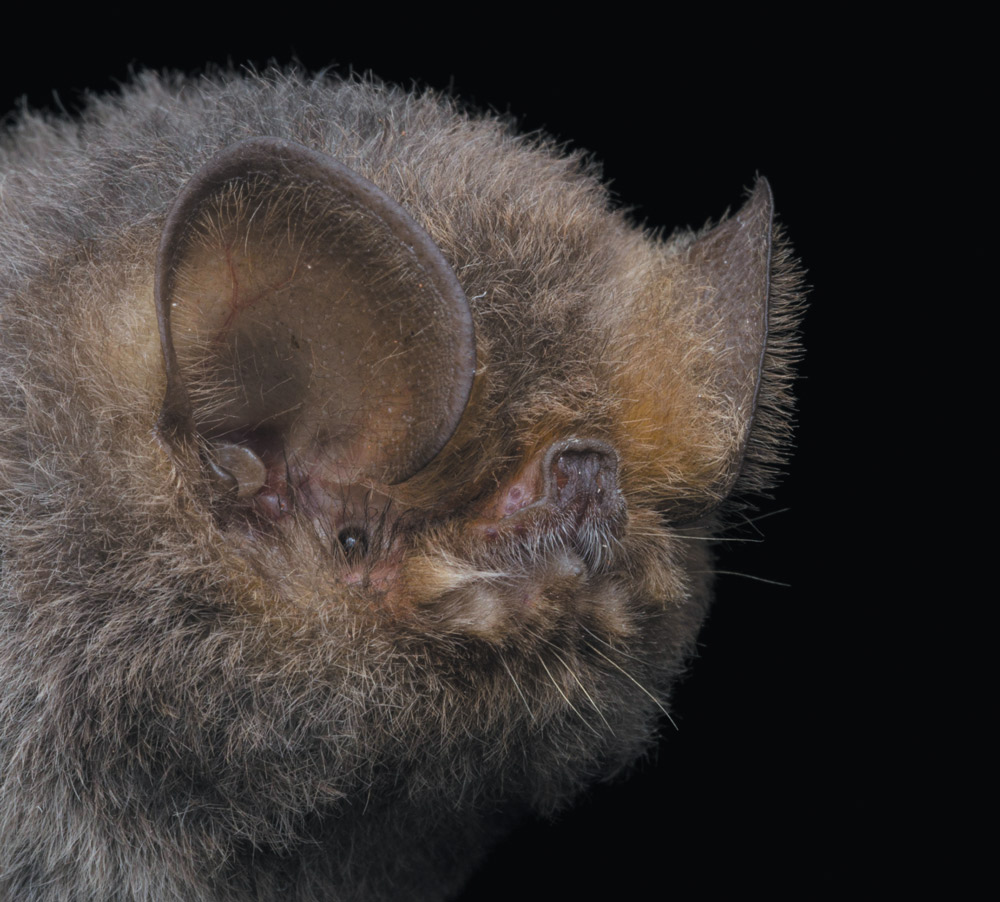
Smoky bats are very effective insect hunters that help reduce the need for pesticide use in crops and control insect vectors of disease. But over the last decade, renewed mining efforts have disturbed the bat’s habitat, reducing reproductive success and putting the current population in peril. The smoky bat’s population has declined by more than 50% in the last 10 years.
Today, BCI is partnering with Peruvian conservation and sustainable development organization Sallqa Perú, led by Director Joaquín Ugarte-Núñez, and community members who live throughout the smoky bat’s territory. Together, they are working to compensate for the lost habitat with carefully designed artificial roosts.
Getting community buy-in on conservation plans can be challenging at times. Some people may find certain interventions burdensome, while others may have negative sentiments or superstitions about bats. However, when BCI’s team took their first trip to Peru to visit one of the mining tunnels the smoky bat calls home, they captured photos and videos of the species and used the footage to turn bat skeptics into eager collaborators.
“We were coming back late at night and praying for a place to have any kind of food because we were starving,” Gamba-Rios says. When they finally found a rural restaurant that was open late, they started a conversation and shared videos and images of the bat. “They were really into it,” Gamba-Rios says.
Soon enough, the restaurant’s staff members were telling BCI’s team about another local cave where they had seen the bats. They also expressed interest in hosting the artificial roosts that BCI and Sallqa Perú were planning to construct. “People grow up going into and climbing up these hills, so they have a connection with the habitat and its biodiversity,” Barros says.