field notes

Shots of the Subterranean

Josh Hydeman shares images of BCI’s underground work
A
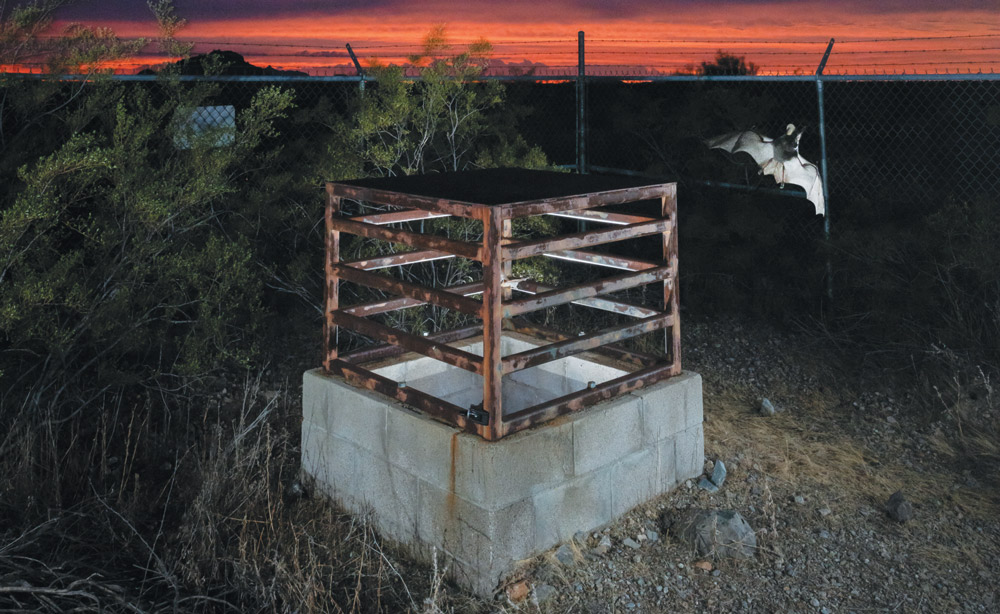
Concrete structure with a rusted metal grate, set outdoors at sunset with a flying bat and a fence in the background.
A single bat emerges from its roost in July 2024 as the sun sets over the Tohono Decant Line in Arizona. What was once a drainage solution for mine waste has now become habitat for a colony of California leaf-nosed bats (Macrotus californicus). The steel box affixed to the decant line, known as a cupola, protects the colony from vandals while ensuring safe passage for the bats to enter and exit.
A
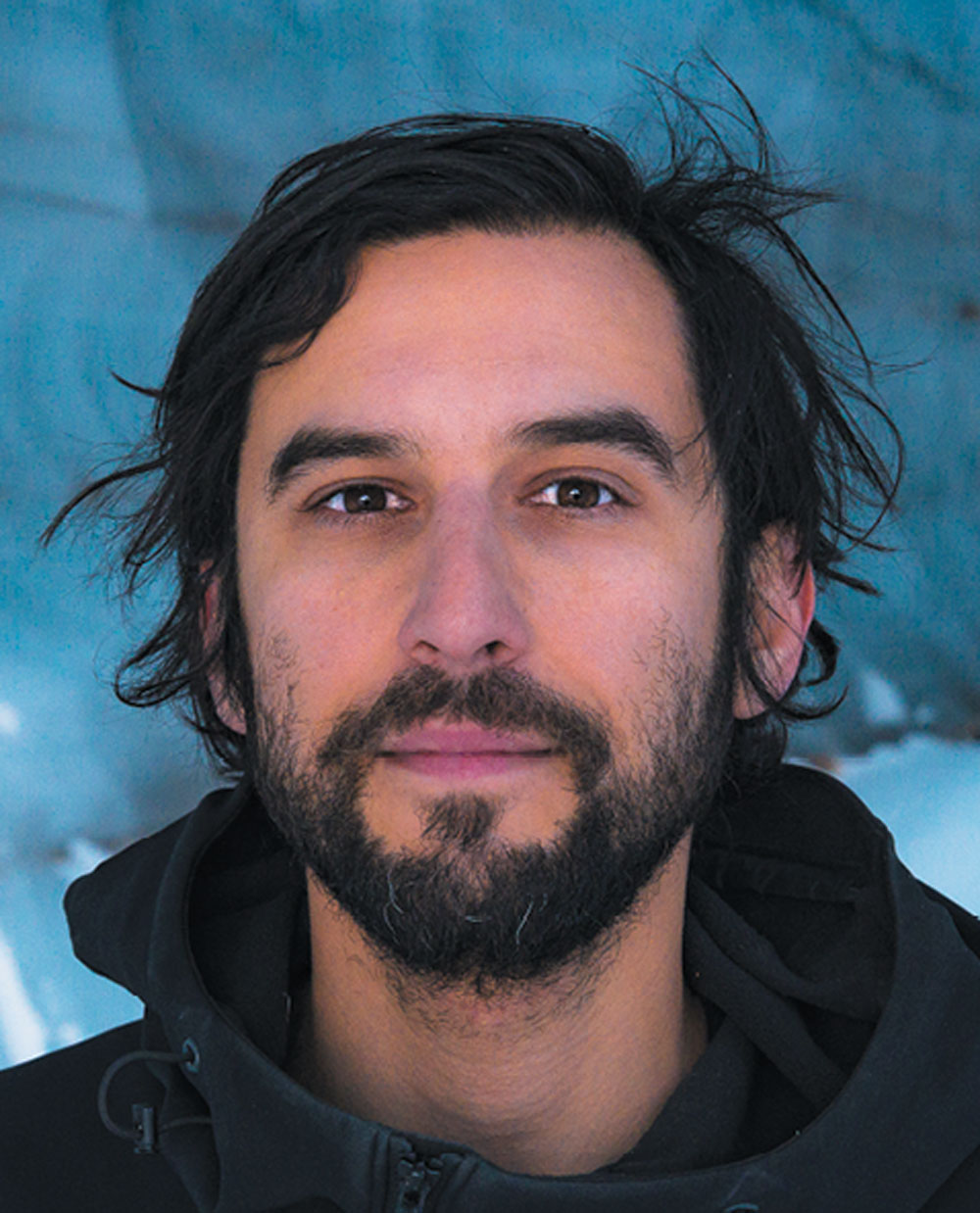
Josh Hydeman headshot
Photo: Matthew King
Josh Hydeman headshot
Photo: Matthew King
s Subterranean Specialist for Bat Conservation International (BCI), Josh Hydeman spends a lot of time below ground and en route to remote locations to survey mines and caves. He totes his camera equipment with him and chronicles the team’s work along the way.

Before he joined BCI in 2021, Hydeman worked as a freelance photographer specializing in cave research and exploration. He’s captured subterranean images from volcanic glacier caves on Oregon’s Mount Hood to the deepest cave in the Western Hemisphere near Oaxaca, Mexico. Publishers including National Geographic and Outdoor Photographer have featured Hydeman’s work, and he received the Best in Show award at the National Speleological Society’s Photo Salon, as well as an inclusion in National Geographic’s special issue, “100 Best Photos: Iconic Images from this Century.”


See more of Hydeman’s work at instagram.com/josh_hydeman and josh-hydeman.squarespace.com
An owl perched inside a cave with jagged rock formations and stalactites.
When the team is searching for suitable bat habitat, they often encounter other species that opportunistically use subterranean spaces, including rodents, insects, mammals, and birds—like this rare sighting of the federally Threatened Mexican spotted owl in New Mexico in 2024.
A person in protective gear examines a rusty metal structure outdoors.
A surveyor equipped with a self-contained breathing apparatus (SCBA) enters a small gated culvert leading to an abandoned uranium mine on the Colorado Plateau to conduct a biological survey in 2022. SCBAs, a Geiger counter to measure radiation, and a gas monitor are essential tools for safely surveying uranium mines.
A bat hanging upside down from a metal structure with its wings spread wide in a dark setting.
Seen in August 2024, a young bat flies effortlessly between the bars of a cupola—a bat-compatible closure that keeps human intruders out but allows the bats to enter and exit the mine. Despite being new to flight, the juvenile California leaf-nosed bat (Macrotus californicus) shows no hesitation as it skillfully navigates its way through the bars.
Two people in protective suits and helmets explore a dimly lit cave with rocky walls, one holding a flashlight.
Equipped with a flashlight and binoculars, BCI team members scan the high ceiling of an Arizona cave looking for bats in 2021. While over a million bats inhabit the cave during the warm season, hundreds remain throughout the cold season. Team members wear Tyvek suits and respirators to protect themselves from the strong ammonia fumes rising from the guano-covered floor.
A bat hanging upside down from an icy ceiling with icicles.
A Townsend’s big eared bat (Corynorhinus townsendii) hibernates in an ice-coated lava tube in Washington state in January 2025.
A person stands in a rocky tunnel with water on the floor and light illuminating the far end.
A surveyor pauses before trudging through a flooded drift in an abandoned mine in Arizona in March 2023.
Person wearing safety gear and harness descending into a cave via a rope.
A surveyor pauses mid-descent to examine a hanging timber in the shaft below in March 2024. Running out of rope before reaching the bottom, the surveyor was unable to survey the shaft to its deepest point. Often, the view from the surface does not reflect what is found below.
Desert landscape with a rainbow and two off-road vehicles on a dirt path under a cloudy sky.
Jeeps navigate old mining roads cut through the sagebrush hills in Arizona’s Prescott National Forest as rainbows arc across the sky in March 2024. This beautiful scene punctuates a day in the field for the subterranean team.