Bat Squad For the young conservationist
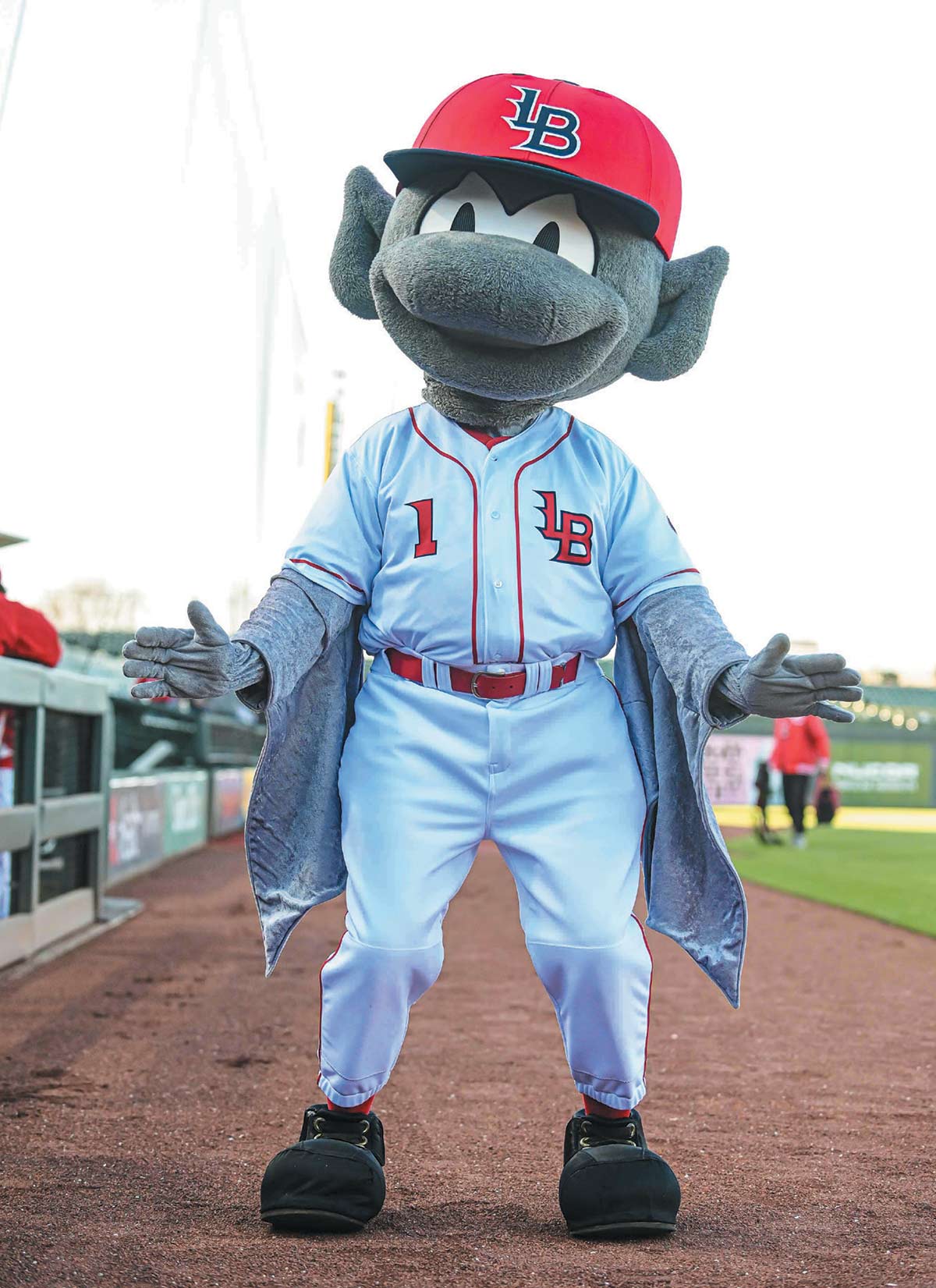
Louisville Bats mascot Buddy Bat
Louisville Bats mascot Buddy Bat has been delighting crowds at Louisville Slugger Field for more than 20 years.
Photo: Cam Anderson/Louisville Bats

Going to Bat for Conservation

Animal-themed mascots can be a win for science and sports
By Jill Robbins
S

ports teams love mascots that roar, run, or soar—like lions, jaguars, raptors, and sometimes even bats. A recent article in Frontiers in Ecology and the Environment looks at how sports and wildlife can actually be teammates by using the enthusiasm teams and fans have for their emblems and mascots to boost conservation efforts. The article’s authors suggest that fans who love their team mascots might also start caring about the real animals behind them. When sports fans become conservation champions, everyone wins.

Black digital custom vector minimalistic icon graphic of a book
Read the article in Frontiers in Ecology and the Environment: doi.org/10.1002/fee.2862
Even though bats aren’t the most common mascots, they do show up in some pretty cool places. The Austin Ice Bats, a Texas hockey team, leans into bat speak, calling themselves a colony. In Spain, the Valencia Fire Bats hit the football field in bold yellow and black uniforms with a bat logo. While “fire bats” and “ice bats” aren’t actual species, they encourage fans to appreciate and learn about bats and cheer for them.
Valencia Fire Bats logo.
Courtesy Valencia Fire Bats
Then there are the Louisville Bats, a Triple-A baseball team in Kentucky that really embraces the double meaning: wooden baseball bats and winged bats. The team’s mascot, Buddy Bat, is a cheerful, plush-looking bat who struts around in a baseball uniform. He may not look exactly like a real bat, but his appearance is part of his charm. Kids adore him and his sunny vibe, which is fun and approachable. Many people are surprised to learn how cute real-life bats are, and Buddy helps plant this seed. The team even provides opportunities for the public to book Buddy for special appearances at events in the community.

The article’s authors pointed out that sports can do more than just entertain—they can inspire action. If fans already feel a connection to their team mascots, that passion can translate to help conservation efforts. Teams and stadiums have opportunities to share fun conservation facts, host special events, or even donate part of ticket or merchandise sales to wildlife programs.

Although there aren’t many sports teams that have bat mascots yet, naming more teams for bats could help boost conservation and education and inspire people to care about bats. Utilizing opportunities to tell a ballpark or arena full of people how important bats are to the ecosystems they inhabit would make the world a better and safer place for bats and perhaps inspire the next generation of conservationists.