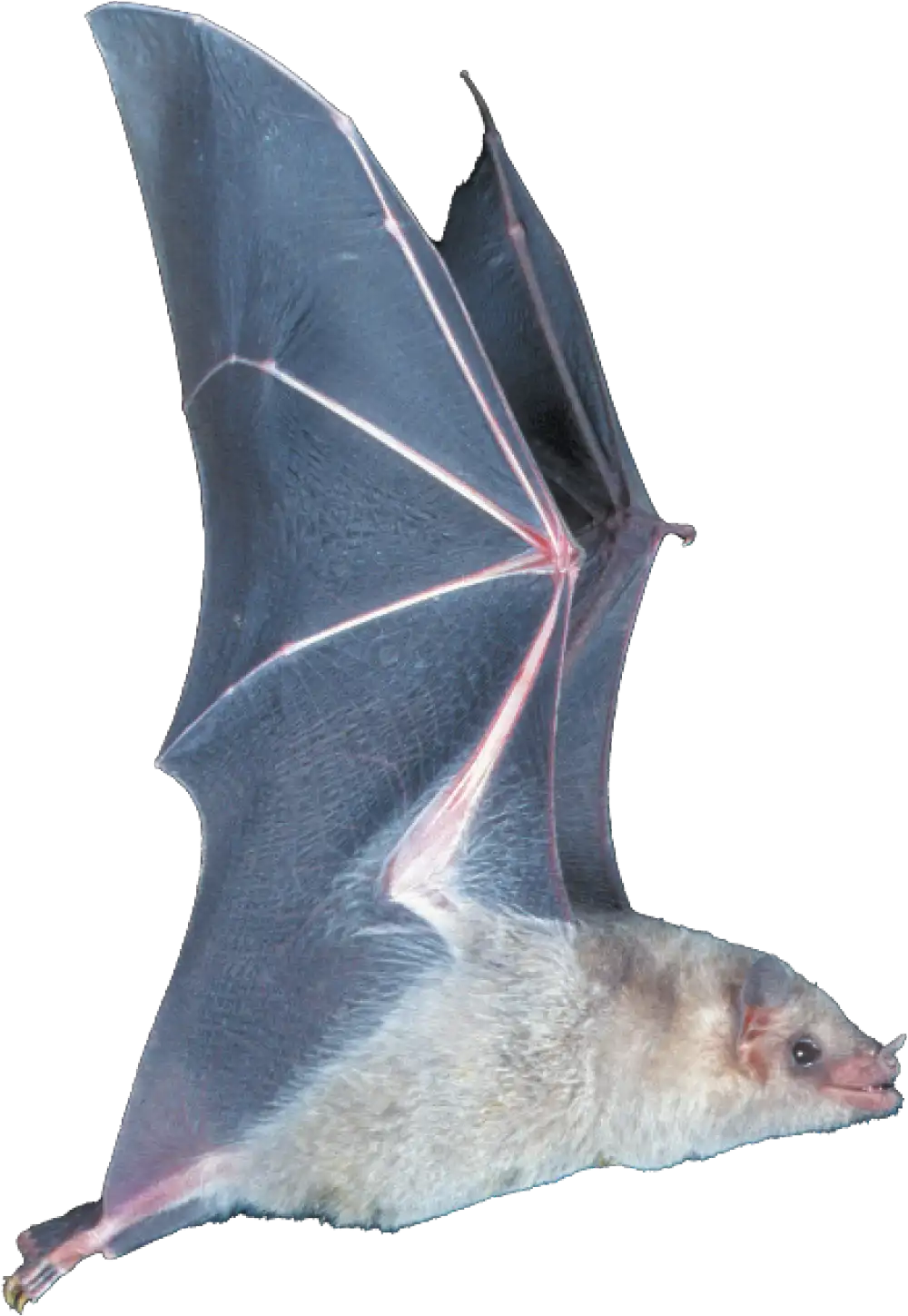
The discoveries also inform BCI’s habitat restoration efforts. Because the bats’ migrations depend on “nectar corridors” that link feeding and roosting areas, this information can be used to prioritize agave restoration in key areas. “We are particularly focusing on areas that are predicted to serve as ‘climate refugia’ in the future and that are at the current range edges of the species,” Lear says. “That way, these bats will continue to have sustained food resources for their migrations and for any future range shifts.”
On-the-ground restoration in southeastern Arizona and southwestern New Mexico includes planting native agave species, such as Agave palmeri and Agave parryi, at varying elevations to safeguard against climate impacts. BCI also restores native grasses that act as “nurse plants” to support young agaves and restore soil conditions to support healthy ecosystems.
“With this holistic approach, we are not just planting agaves, but ensuring the long-term conditions are present for the agaves to thrive. We work with private landowners, ranchers, local nongovernmental agencies, government landowners, universities, and community groups to achieve this,” Lear explained.
As food resources and habitats shift with a changing climate, these efforts may help the Mexican long-nosed bat adapt to new areas. “If we can ensure that there are healthy, robust agave populations in these new areas, as well as restore agaves in the bats’ core areas, we can help increase their climate resilience long-term,” Lear says.
BCI’s next steps focus on finding new roosts in these expanded areas and maintaining healthy agave populations to support the bats’ migration. Residents of the Southwest U.S. can also help by planting agaves in their yards or supporting conservation organizations.