Species Study
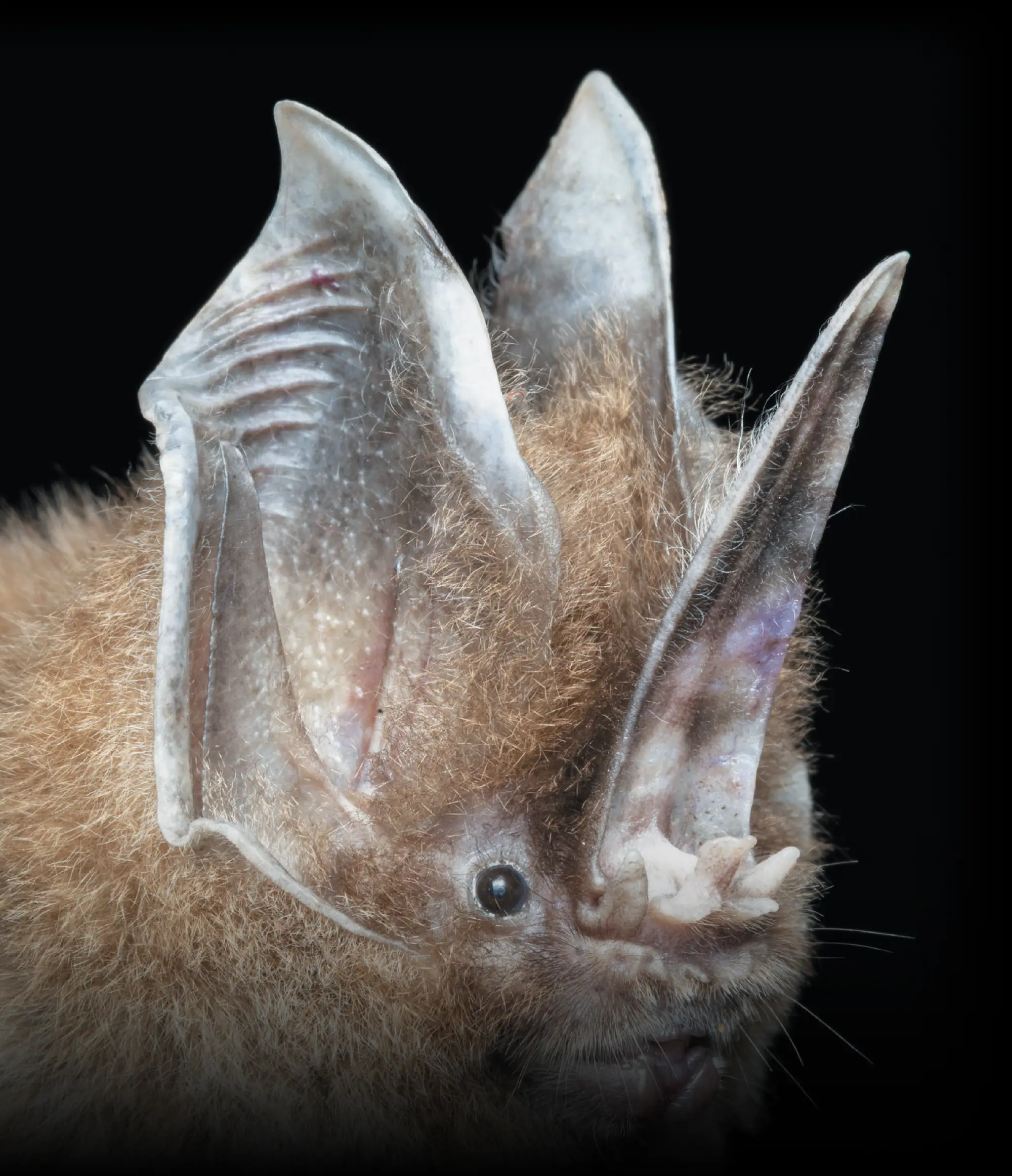
There are 1,500+ species of bats in the world. This is one of them.

Tomes’s Sword-Nosed Bat

Working to protect a Honduran cave and its maternity colony
By Annika Hipple
Extreme close-up of a Tomes’s sword-nosed bat. It features brown fur, large pointed ears with internal ridges, a small dark eye, and a distinct, upright fleshy nose leaf.
bat stats
Bat icon
Binomial

Lonchorhina aurita
Two bats icon
Family

Phyllostomidae
Bat Globe icon
Colony Size

10–500 individuals
Scale icon
Weight

10–22 grams
Bug icon
Diet

Insectivorous (and very occasionally fruits)
Exclamation Point icon
Status

Least concern
Region

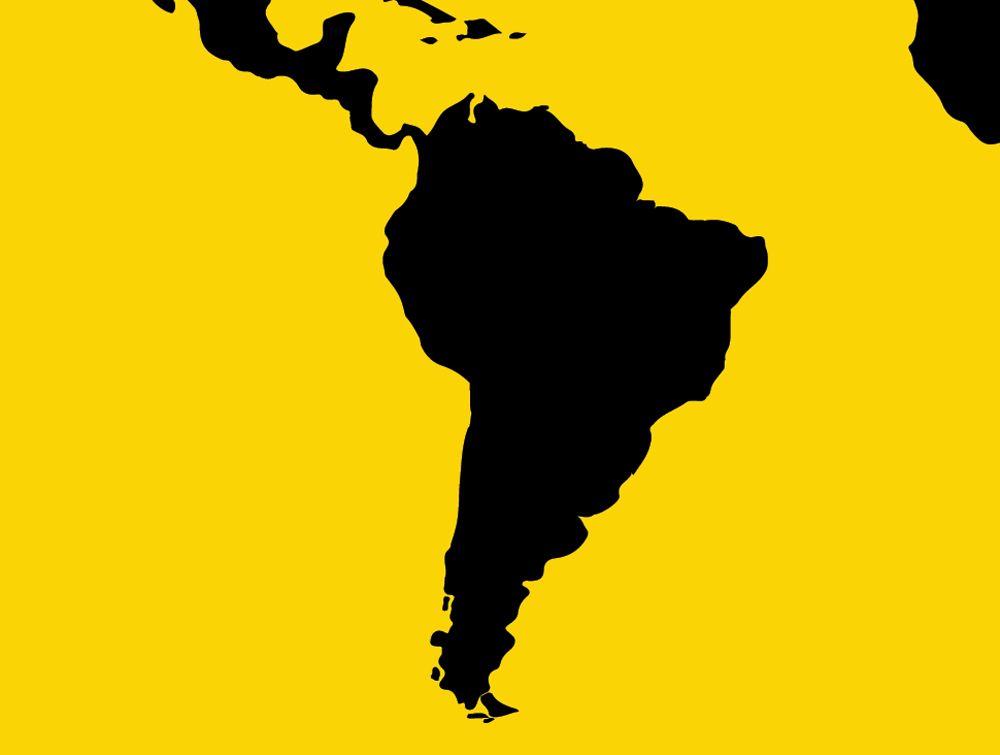
Central and South America
A high-contrast graphic map showing the silhouette of South America and Central America in black against a bright yellow background, used to indicate the species' native range.
Photo: Jennifer Barros, Ph.D.
O

n the small Caribbean island of Utila, off the coast of Honduras, lies a bat cave of such significance that BCI took a rare step: buying the land it sits on to ensure its protection in perpetuity.

Brandon Hill Cave is a refuge for approximately 6,000 bats representing at least six of Utila’s 13 known bat species, including a small population of the Tomes’s sword-nosed bat (Lonchorhina aurita), also known as the common sword-nosed bat. Brandon Hill Cave is the only known reproductive site for this species in Honduras. Five additional species are also known to roost in the area surrounding the caves, which the Latin American and Caribbean Network for the Conservation of Bats (RELCOM) officially designated a Site of Importance for the Conservation of Bats (SICOM) in 2022.

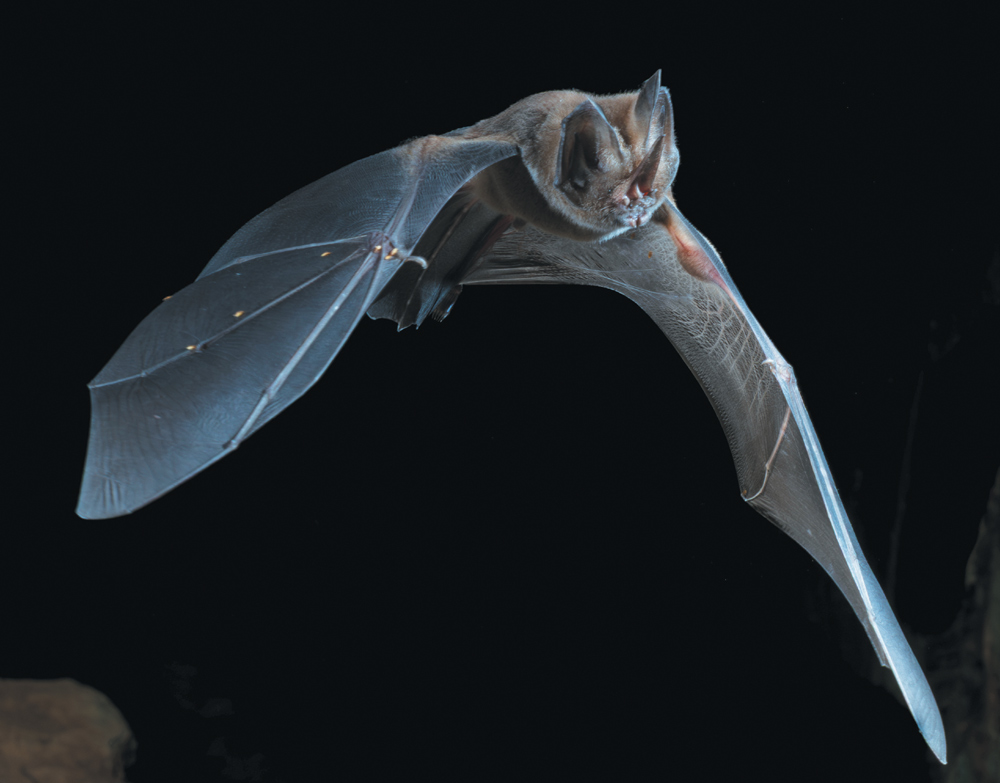
A Tomes’s sword-nosed bat captured in mid-flight against a black background. Its translucent wings are fully extended, showcasing its thin wing membranes and sharp facial features.
Tomes’s sword-nosed bat (Lonchorhina aurita).
Photo: Jennifer Barros, Ph.D.

Surveying the cave

In 2024, Tom Brown, Executive Director and President of the Utila-based nongovernmental organization (NGO) Kanahau Wildlife Conservation, learned that the cave and land around it had been put up for sale. Utila is a small island but has become a major tourist destination due to its beautiful coral reefs and thriving dive tourism industry. Brown feared that the sale of the land would lead to new development and threaten the integrity of the cave and surrounding habitat. He realized that the only way to preserve the land was to buy it for conservation. Still, the asking price of $300,000 USD was a considerable sum for a small organization like Kanahau to raise. Knowing that BCI has been instrumental in conserving important bat habitats worldwide, he reached out.

In September 2025, Brown welcomed the BCI team, led by Jon Flanders, Ph.D., Director of Endangered Species Interventions, who visited and surveyed the cave and its surrounding land. The assessment revealed the true value of the area.

“Just from one of the videos we took, we estimate that the sword-nosed bat has at least a couple of hundred adult individuals, plus babies when it’s maternity season,” says Ana Ibarra, Ph.D., BCI’s Regional Director for Mexico and Latin America.

A perfect habitat

The sword-nosed bat is a striking animal, characterized by large ears and a remarkably long nose-leaf for echolocation. A predominantly insectivorous species, it primarily feeds in mature forests, and it can also utilize agricultural areas, making it an important species for pest control.

The species is found in much of Central and South America, which can lead to an erroneous assumption that they are abundant, explains Melquisedec Gamba-Rios, Ph.D., BCI’s Regional Director for Latin America and the Caribbean. “The bats depend on these caves, and they are susceptible to disturbance,” he says. “There are not many caves with all the conditions that they need, so when we find caves with those conditions, we definitely need to protect them.”

This project is critical for Utila. It may be one of the greatest achievements in conservation for the island.
—Tom Brown
Brandon Hill Cave is situated in a small rocky formation, approximately 16 feet above the ground level. From the small entrance—less than 10 square feet—the narrow cave weaves more than 250 feet deep into the hill through six or seven separate chambers.

“The bats primarily use the second chamber,” Brown says. “The first entrance chamber is clear of bats, but once you go further in, you start seeing different bat populations. First, you see the nectarivorous bats near the entrance. A bit deeper, you see the Mexican greater funnel-eared bat (Natalus mexicanus). They also use this cave as a maternity roost, where they form large, dense nursery colonies. In the deepest parts of the cave, we can find the ghost-faced and sword-nosed bats.”

Plans in the works for conservation

The team’s visit to the site proved Brown’s assessment: Buying the land that includes Brandon Hill Cave is the only way to ensure its conservation.

“When it comes to conservation projects that require land purchases, BCI works diligently to ensure the conditions are met for conserving the land in perpetuity,” Ibarra says. “This requires a clear strategy and strong local partnerships. When faced with the potential loss of a critical roosting site and maternity colonies that put species survival at risk, we cannot shy away from the challenge.”

To raise the funds, BCI collaborated with key partners including Rainforest Trust, which committed to matching BCI’s fundraising efforts. Now that the land has been purchased, the plan is to establish a Utila-based NGO in partnership with Kanahau and other local organizations with experience managing protected areas. This organization will operate and conserve the site in perpetuity.

Additionally, the organization will lead efforts to support sustainable ecotourism and raise awareness among visitors and the local community about the importance of the cave and bats, providing a holistic approach to this conservation effort.

“This project is critical for Utila,” Brown says. “It may be one of the greatest achievements in conservation for the island. Currently, Utila has only one protected area, which is approximately 4 square miles in size and primarily consists of wetland habitat. It doesn’t really cover any hardwood forest habitat, which is what the Brandon Hill site represents. This area is crucial for other biodiversity, not just the bats. It’s also a cultural heritage site, so it has that element as well.”


Learn more and support this effort: batcon.org/bhc