field notes

Brazil’s Caves

BCI dives deep into subterranean protections
B

razil has more than 30,000 known caves, and many of these underground caverns are home to bats, including Endangered species and large colonies. To learn more about these subterranean bat homes and find out how to protect particularly important ones, BCI and partners took inventory of 113 caves, including 52 that were undergoing this process for the first time. The team recorded 33 bat species from seven bat families and confirmed six new hot caves. They also identified threats, including deforestation, unregulated tourism, and vampire bat control efforts impacting other species.

BCI and partners are working with the National Center for Cave Research and Conservation (CECAV/ICMBio) within the National Action Plan for Cave Conservation (PAN Cavernas) to implement actions focused on protecting bats, including testing the first bat gate installed in a Brazilian cave, and to update Brazil’s Red List of Endangered Species. The aim now is to support the creation of protected areas, and the development of protocols to minimize negative impacts on bat populations.


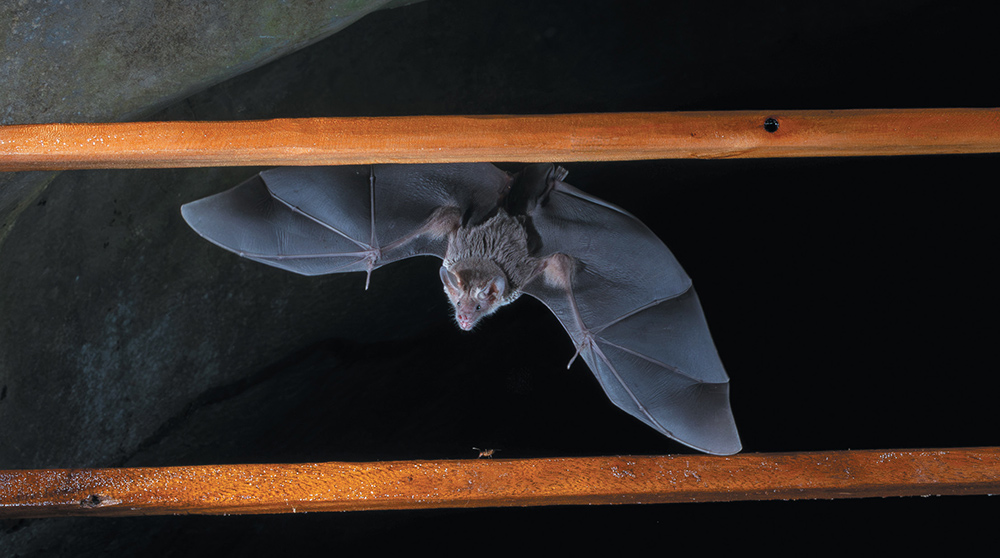
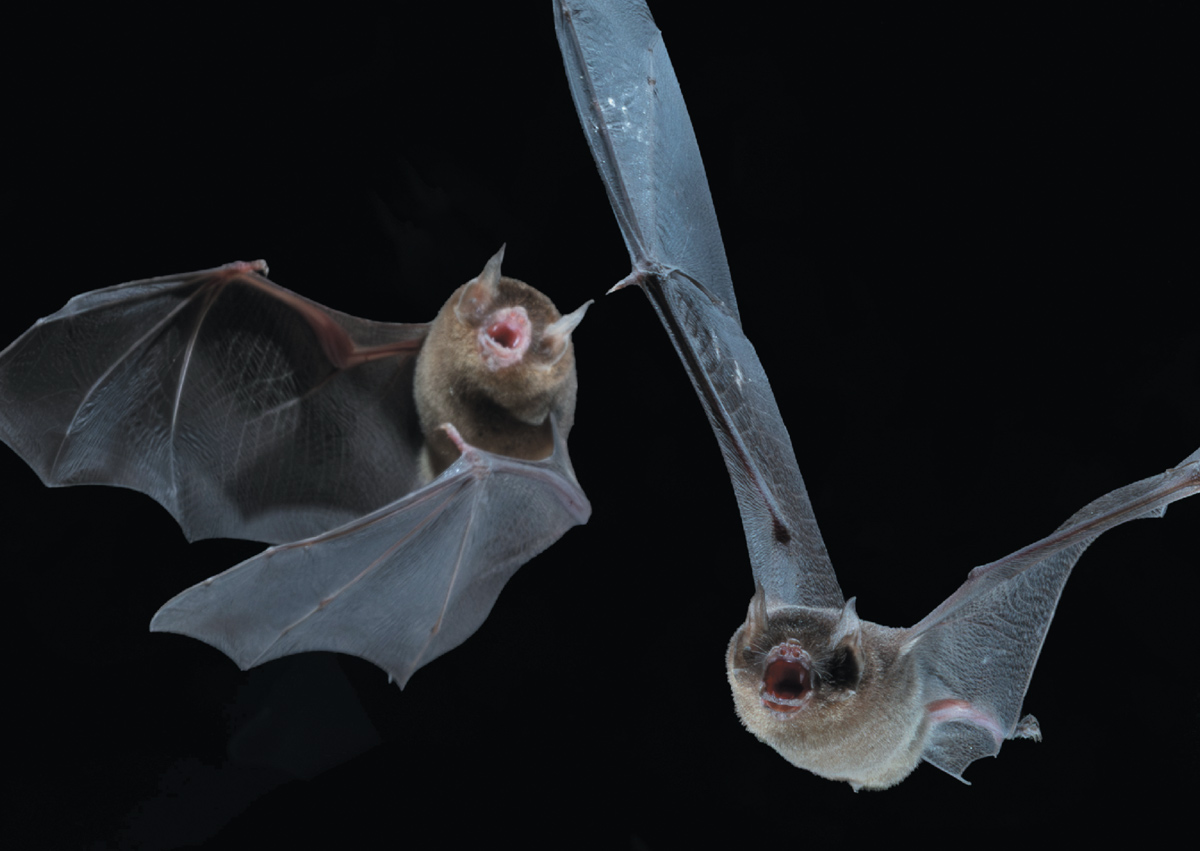
A greater round-eared bat (Tonatia bidens) flies through the first bat gate installed in Brazil.
Photo: Jennifer Barros, Ph.D.
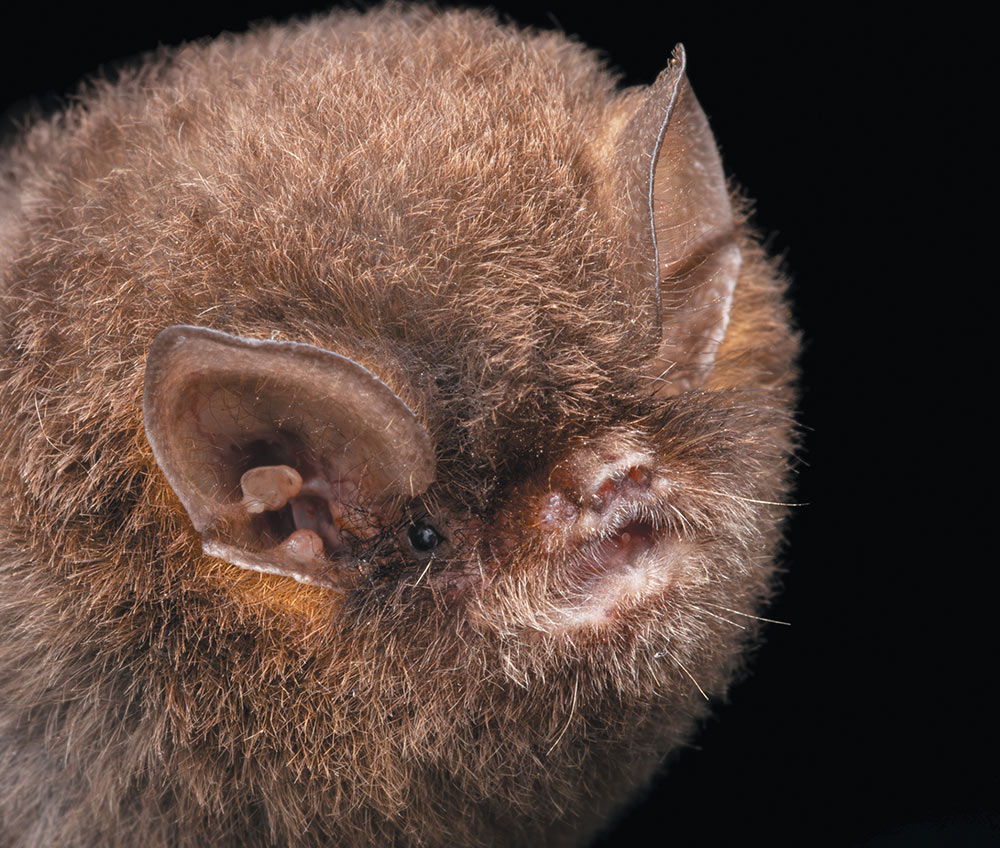
Thumbless bat (Furipterus horrens)
Thumbless bat (Furipterus horrens) is a tiny, fast insectivorous bat that is classified as Vulnerable in Brazil.
Photo: Jennifer Barros, Ph.D.
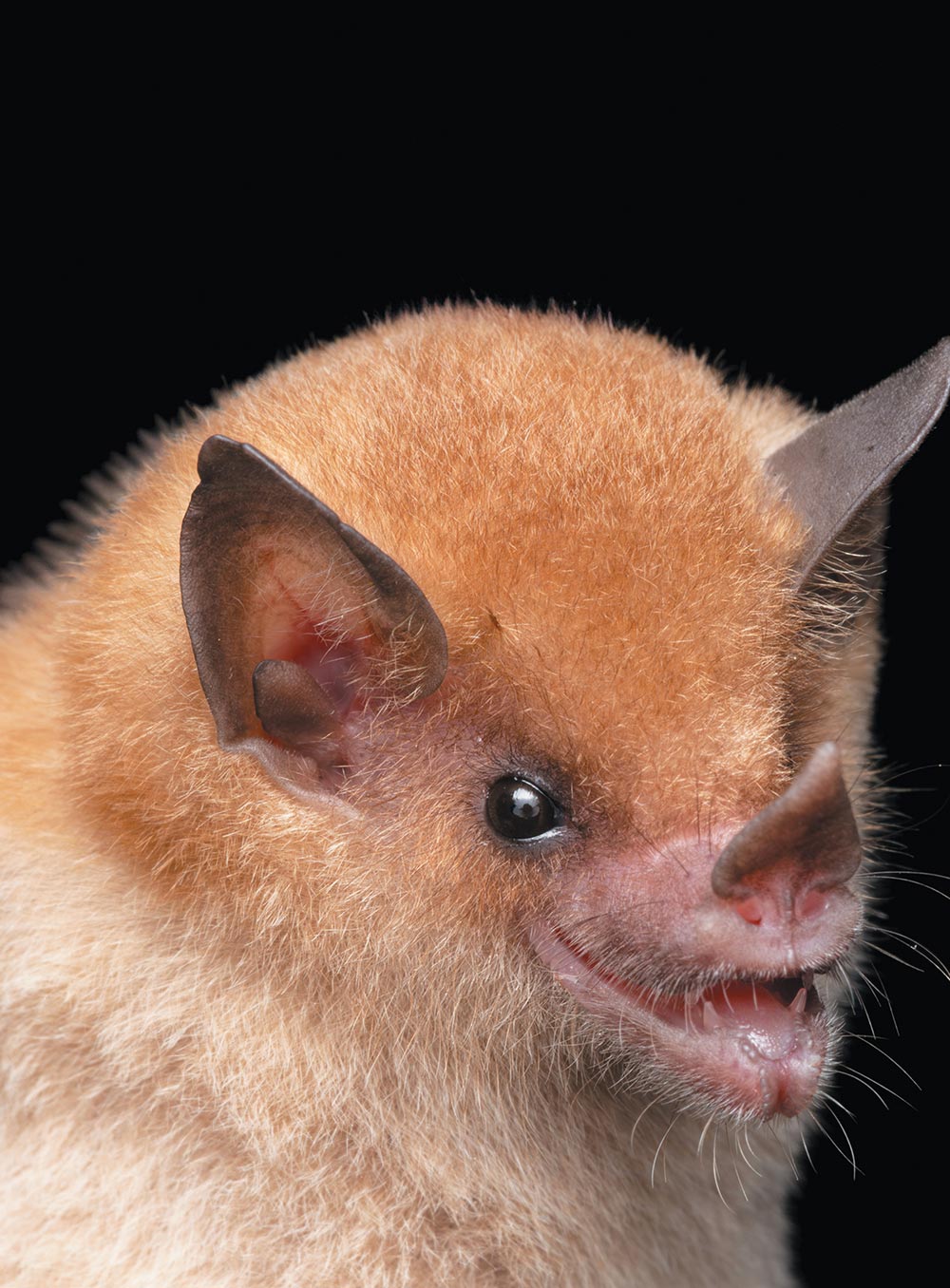
Dekeyser’s nectar bat (Lonchophylla dekeyseri)
Dekeyser’s nectar bat (Lonchophylla dekeyseri) is a nectarivorous bat, endemic to the Cerrado biome. It is one of Brazil’s few endemic species and classified as Endangered in the country.
Photo: Jennifer Barros, Ph.D.
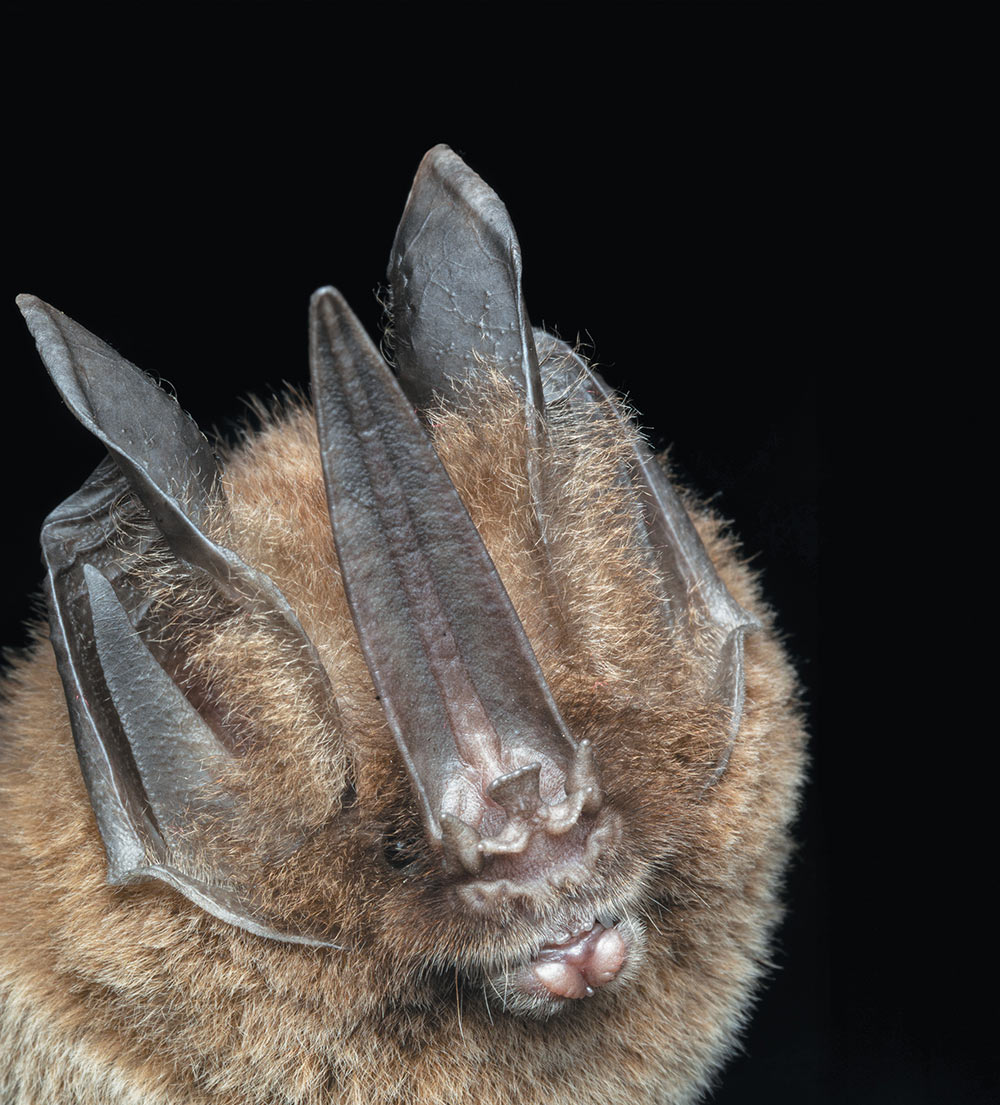
Tomes’s sword-nosed bat (Lonchorrhina aurita)
Tomes’s sword-nosed bat (Lonchorrhina aurita) is an insectivorous bat with a prominent leaf-nose. The species was classified as Vulnerable in the current update of Brazil’s List of Endangered Species.
Photo: Jennifer Barros, Ph.D.
Wagner’s mustached bats (Pteronotus rubiginosus)
Wagner’s mustached bats (Pteronotus rubiginosus) are insectivorous and form colonies of thousands of bats in hot caves.
Photo: Jennifer Barros, Ph.D.
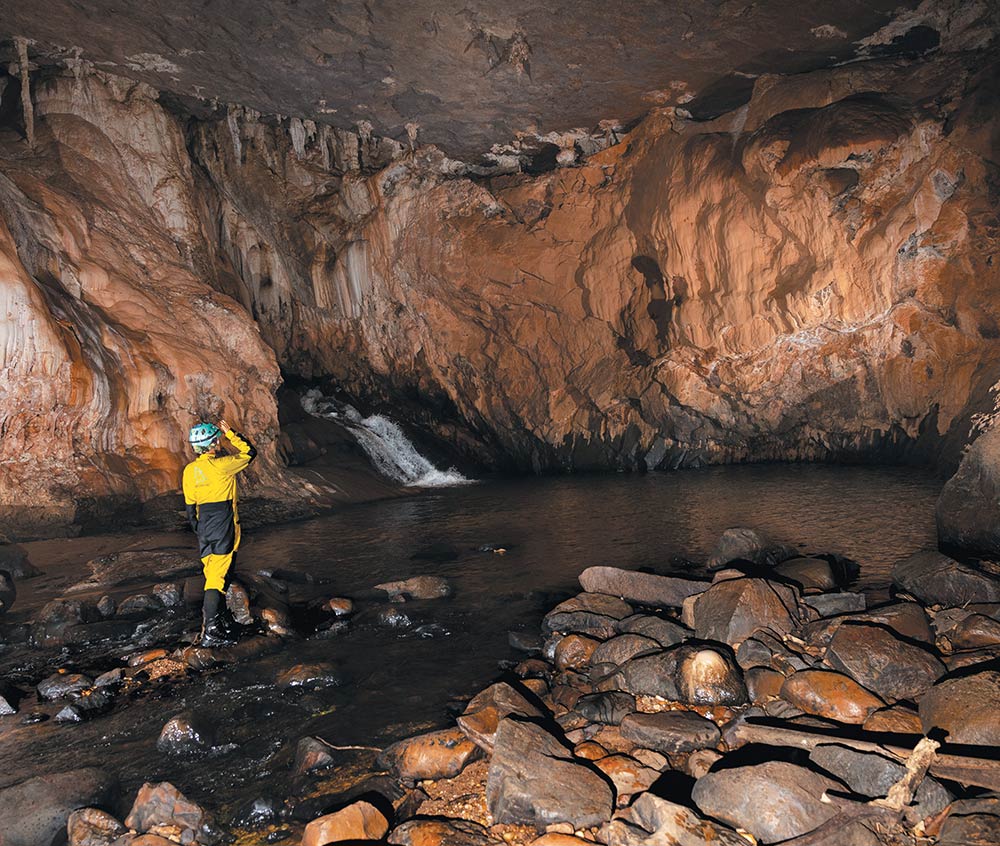
Interior of a limestone cave featuring a subterranean river and a small waterfall and a single explorer looking at the surroundings
One of the 113 caves inventoried by BCI and partners.
Photo: Jennifer Barros, Ph.D.
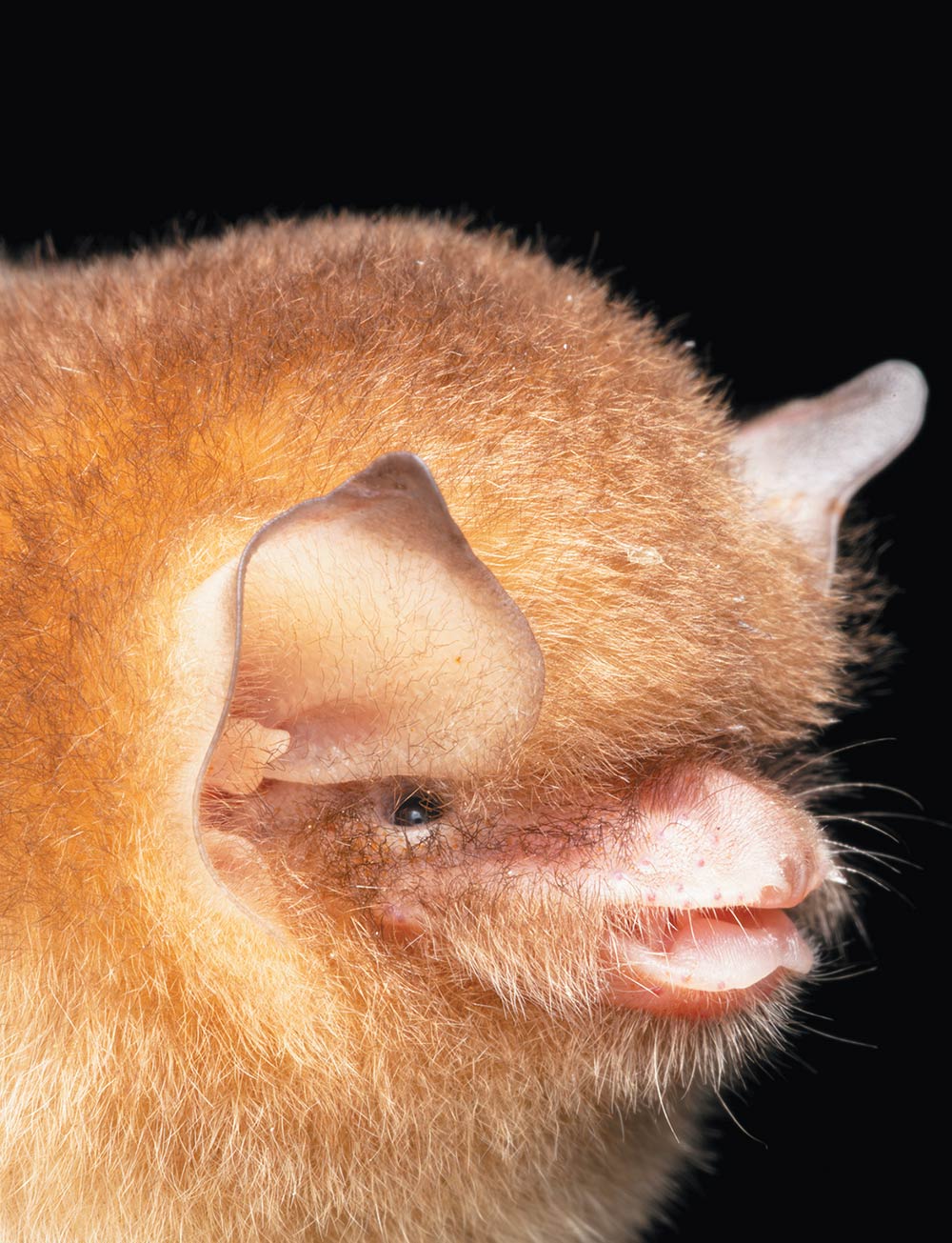
Brazilian funnel-eared bat (Natalus macrourus)
The Brazilian funnel-eared bat (Natalus macrourus) is an insectivorous bat that is classified as Vulnerable in Brazil.
Photo: Jennifer Barros, Ph.D.